Description
Caring for your Wandering Dude / Wandering Jew
Light
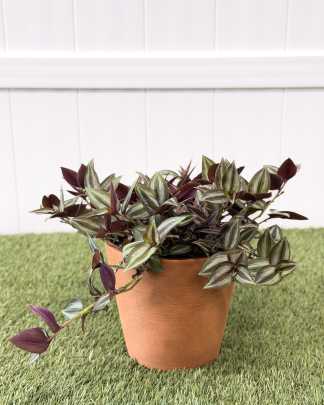
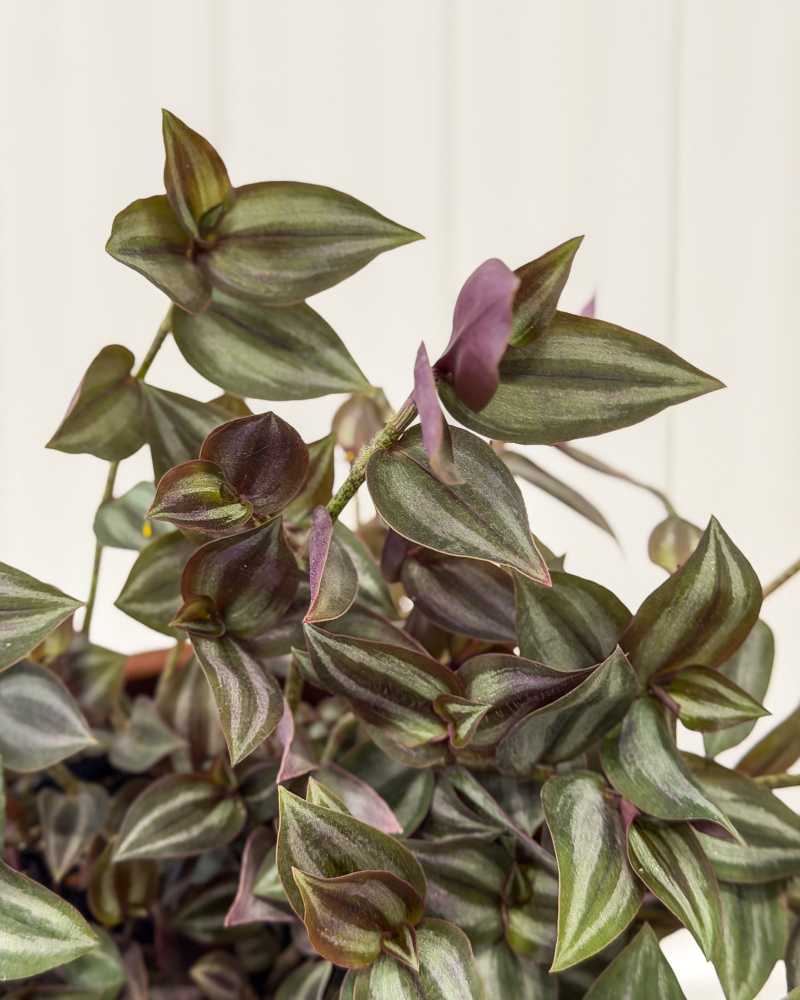
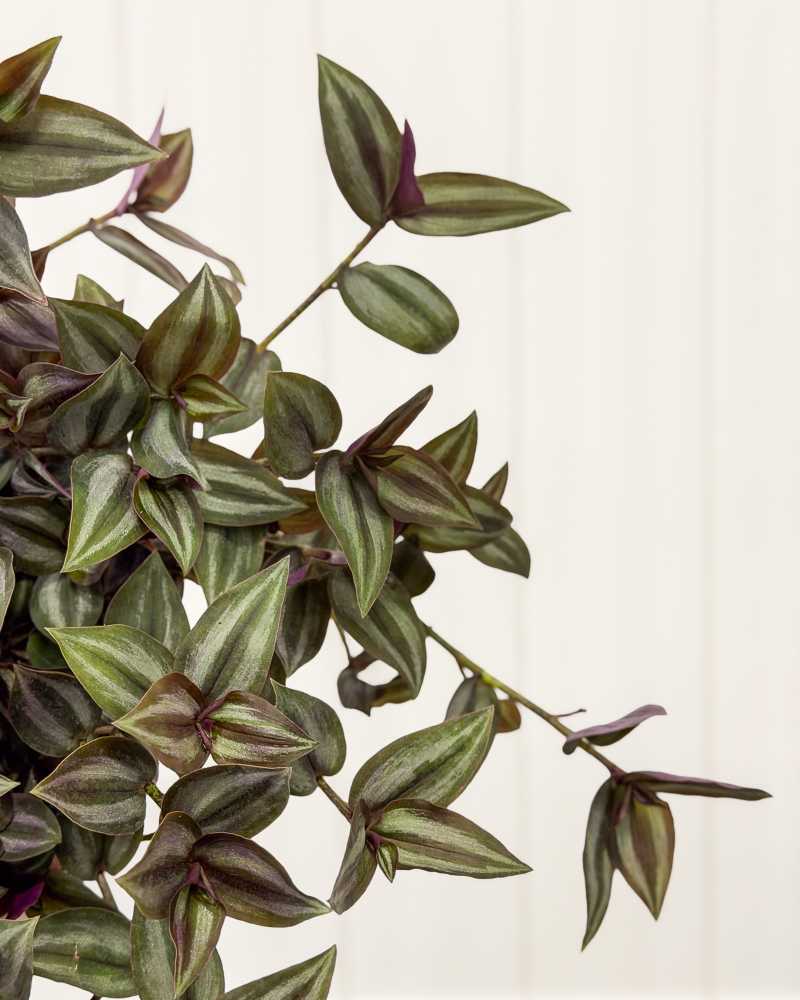
This plant thrives in bright, indirect sunlight. Strong, filtered light is essential for maintaining the intense purple and silver variegation of its leaves; if the light is too low, the colors will fade to a dull green, and the stems will become leggy. Avoid harsh, direct afternoon sun, which can scorch its tender foliage.
Soil
The Wandering Dude prefers a rich, lightweight, and well-draining potting mix. A standard high-quality peat-based commercial potting soil amended with perlite or coarse sand works beautifully to ensure the roots get plenty of oxygen and don’t sit in stagnant water.
Water
Keep the soil consistently moist but never soggy. Water thoroughly when the top inch of the soil feels dry to the touch. Be mindful to water at the base of the plant; letting water accumulate directly on the crown or leaves can cause the stems to rot. This plant can tolerate occasional dry spells but will look its best with regular moisture.
Fertilizer
Apply a balanced, water-soluble liquid fertilizer diluted to half-strength once a month during the active growing season (spring and summer). No fertilization is necessary during the fall and winter months when the plant’s growth naturally slows down.
Common Issues
The most frequent issue with this plant is that it naturally becomes leggy and loses its lower leaves near the base after a year or two. Don’t worry—this is completely normal. To keep it looking full and bushy, regularly pinch back the growing tips, and use the cuttings to easily propagate new stems to plug back into the pot.
Pests
While relatively pest-free, it can occasionally attract spider mites, aphids, or mealybugs, especially when kept indoors with dry air. Regularly wiping the leaves or giving the plant a gentle rinse, along with applying organic neem oil if an outbreak occurs, will keep these pests under control.
Disease
The biggest threat to this plant is root rot and stem rot, caused by overwatering or poor drainage. Ensure your pot has adequate drainage holes. In high-humidity environments, good air circulation around the trailing vines is key to preventing fungal leaf spot.
Pruning
Regular pruning is highly recommended to maintain a compact, bushy, and vibrant appearance. Simply pinch off the tips of the stems right above a leaf node. This encourages the plant to branch out, doubling its fullness.
Potting / Repotting
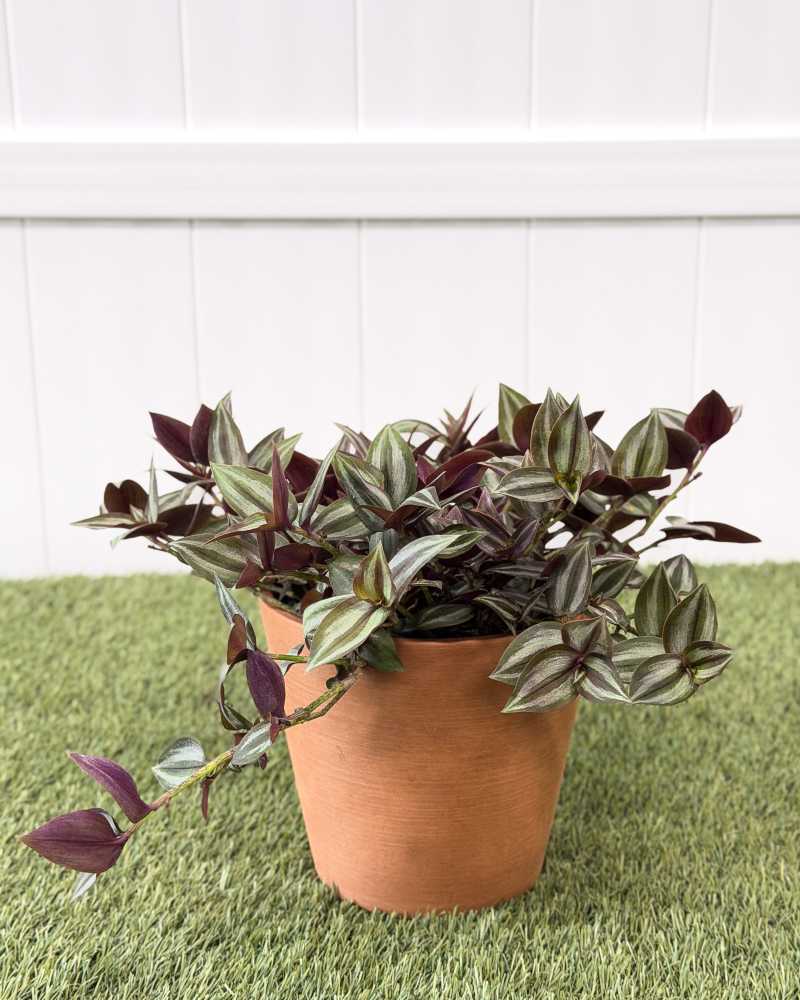
This plant looks spectacular in hanging baskets or elevated containers that allow its colorful vines to cascade downward. Repot every spring if the roots begin to crowd the pot. Because the stems can be somewhat brittle, handle the plant gently during the repotting process to minimize breakage.