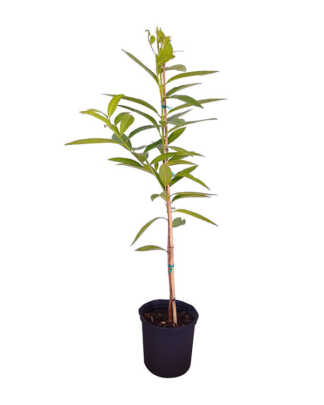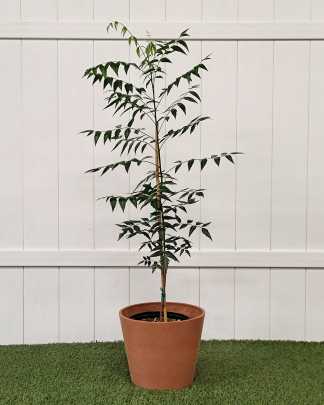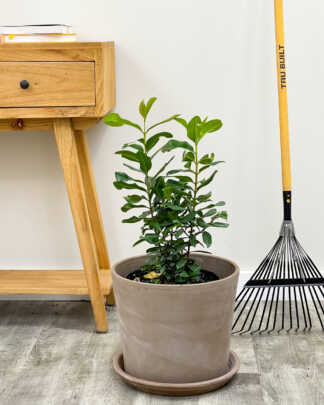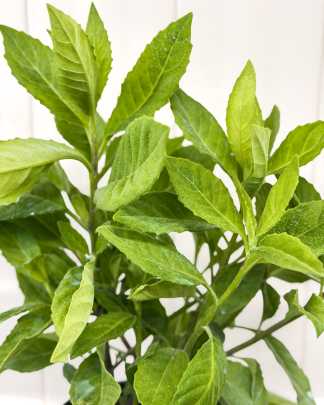
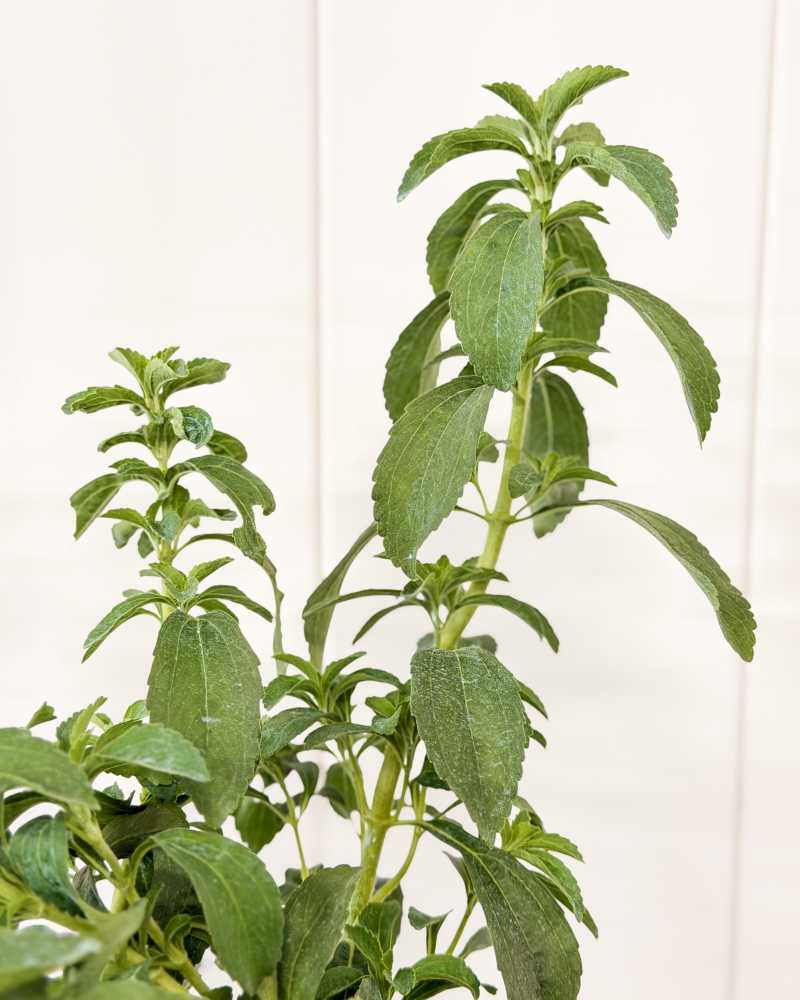
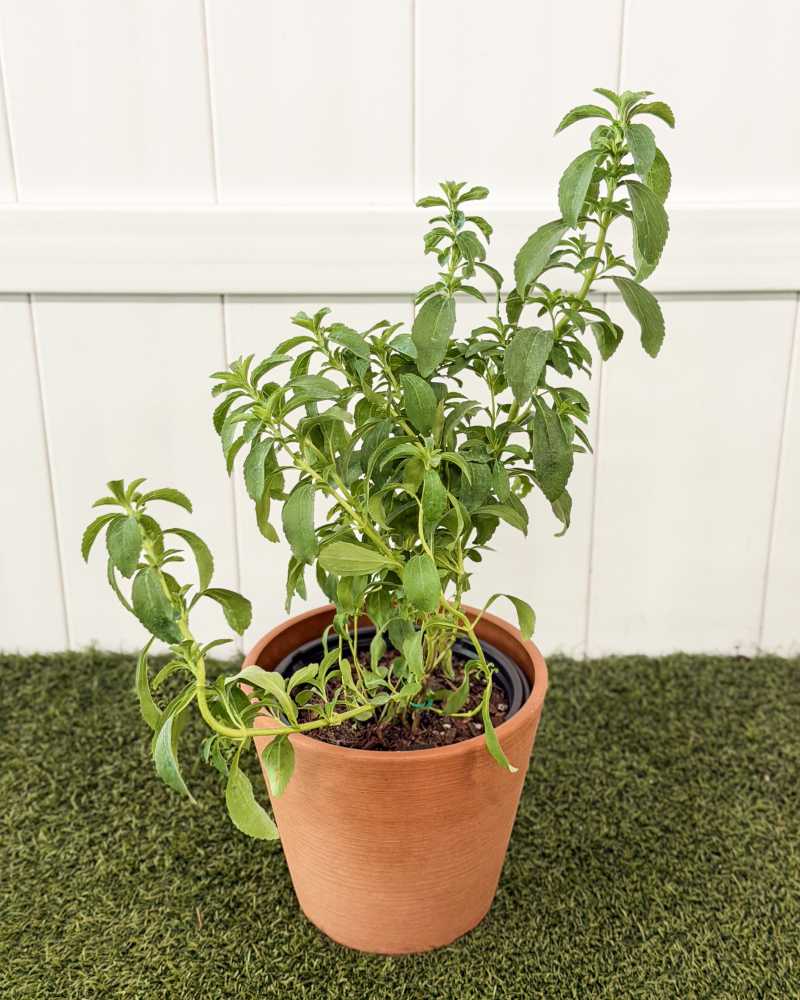
Description
Caring for your Stevia
Light
Stevia thrives best in full morning sun to bright, indirect sunlight. It loves receiving at least 6 hours of quality, direct light daily to maximize the sweetness and concentration of its leaves. While it can handle light afternoon shade in exceptionally hot climates, too much shade will cause the plant to become leggy and lose flavor. A bright south- or west-facing window is ideal for indoor care.
Soil
This herb requires a loose, rich, and sharply draining organic medium. Stevia hates having its roots trapped in heavy, compacted clay soil. A premium organic potting mix amended with compost and plenty of perlite ensures the perfect balance of rich nutrients and excellent drainage. It prefers a slightly acidic to neutral soil pH.
Water
Stevia loves consistent moisture but is highly sensitive to soggy, waterlogged soil. Water thoroughly whenever the top inch of the soil feels dry to the touch, keeping the medium evenly damp like a wrung-out sponge. Avoid letting the soil dry out completely to the point of severe wilting, but never let the pot sit in standing water, as its shallow root system can rot easily.
Fertilizer
Stevia is a light feeder and too much nitrogen will actually reduce the sweetness of the leaves. During the active growing season (spring and summer), apply a low-nitrogen or balanced organic liquid fertilizer diluted to half-strength just once a month. Avoid feeding entirely during the winter.
Common Issues
A common issue with Stevia is that it can become tall, woody, and sparse if left to grow on its own. Regular harvesting or pinching is the secret to keeping it lush and full. Also, keep in mind that Stevia is sensitive to extreme cold and frost; if you experience freezing winter temperatures, be sure to bring your container indoors to overwinter safely.
Pests
Stevia is generally pest-resistant because many insects are naturally deterred by the high sweetness of its foliage. Occasionally, common garden nuisances like whiteflies, aphids, or thrips may appear if the plant is stressed. You can easily manage them by washing the foliage with a gentle spray of water or treating the plant with organic neem oil.
Disease
The primary threat to Stevia is root rot or septoria leaf spot, almost always caused by poor drainage, overwatering, or crowding that blocks airflow. Always water directly at the base of the plant onto the soil to keep the leaves dry, and ensure your container has ample drainage holes.
Pruning
Regular pruning is essential to stimulate fresh, bushy growth and maximize your harvest. Pinch off the top growing tips every few weeks during spring and summer to encourage lateral branching. If the plant begins to produce clusters of small white flowers in late summer, pinch them off immediately, as flowering causes the leaves to lose their sweet flavor.
Potting / Repotting
Because Stevia has a relatively shallow and compact root system, it does not require an excessively deep container. Choose a wide, stable pot that supports its bushy top growth and offers excellent drainage. Repot once a year in the spring to refresh the organic soil and give the roots a clean boost for the growing season.