Description
Caring for your Sansevieria Emma
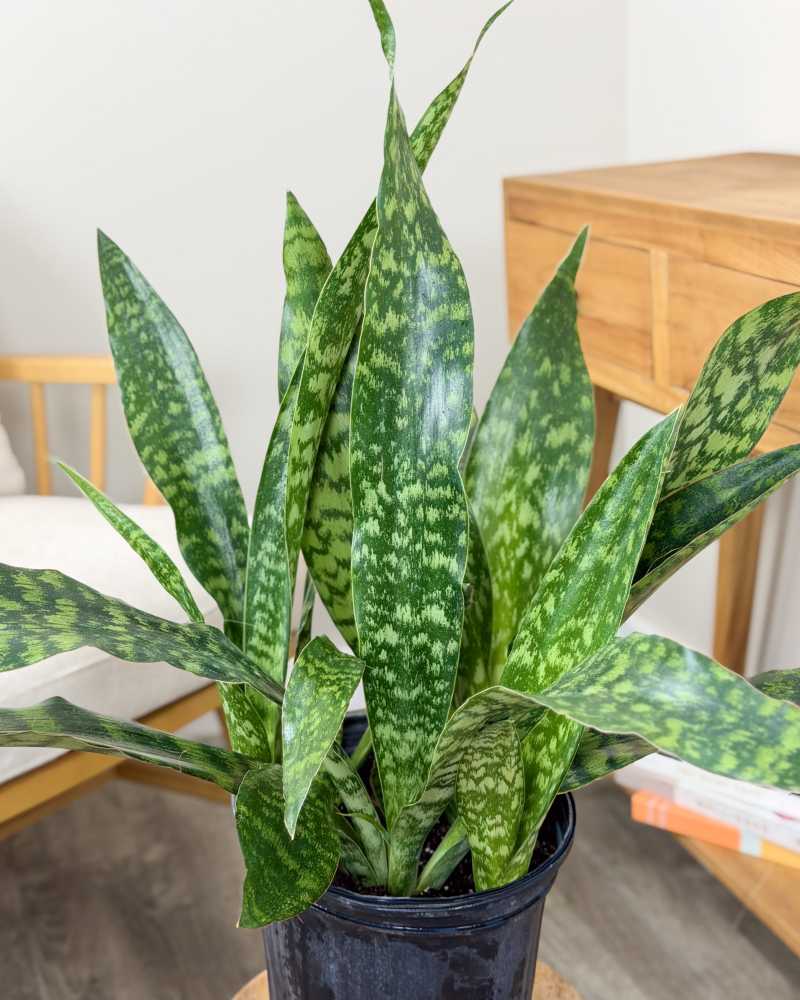
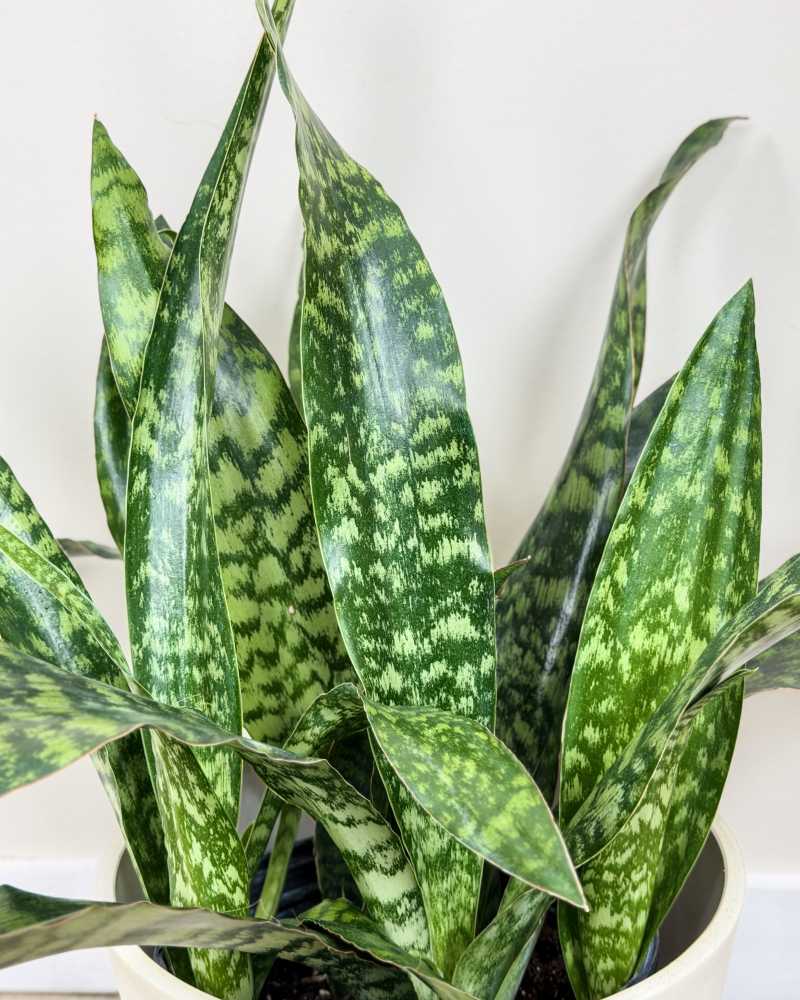
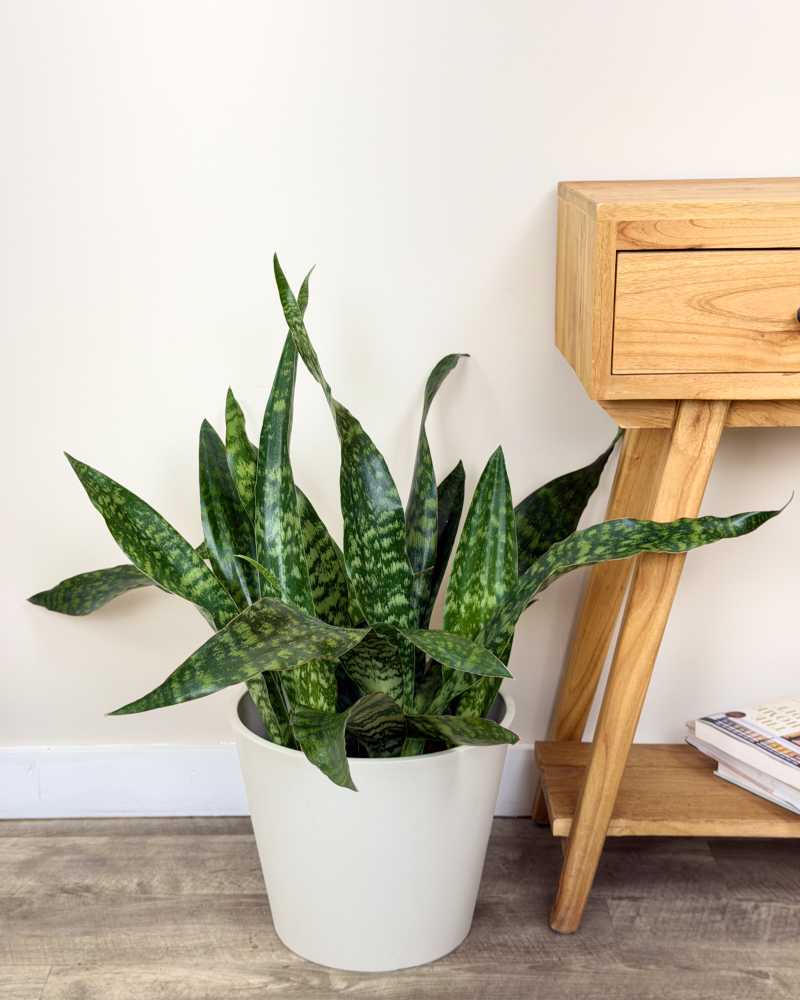
With its compact, upright form and structural leaves adorned in subtle green banding, Sansevieria Emma is an elegant, low-maintenance centerpiece for any home or office. Requiring minimal attention—bright indirect light, sharply draining soil, and infrequent watering—it rewards you with pristine, sculptural foliage year-round. Perfect for plant beginners, busy schedules, or modern interior decor, this hardy succulent delivers effortless aesthetic charm and air-purifying benefits with virtually no fuss.
Light
Sansevieria Emma is exceptionally versatile and adapts easily to a wide range of lighting conditions. It thrives best in medium to bright, indirect sunlight, which maintains its vibrant color and compact growth habit. While it handles low-light rooms remarkably well, growth will slow down. Protect it from intense, direct afternoon sun, which can scorch its leaves.
Soil
A sharply draining potting substrate is essential to protect the root system from moisture buildup. Use a specialized succulent or cactus potting mix, or combine standard potting soil with generous amounts of perlite, pumice, and coarse sand to ensure fast, efficient water drainage.
Water
Treat Sansevieria Emma as a drought-tolerant succulent. Water thoroughly only when the soil has completely dried out from top to bottom, and always empty excess water from the drainage saucer. Watering every 2 to 3 weeks is typically sufficient in spring and summer, reducing to once every 4 to 6 weeks during winter. Always err on the side of underwatering, as soggy soil is the primary cause of root rot.
Humidity & Temperature
This plant copes easily with dry indoor air and average room humidity. It performs best in warm environments between 65°F and 85°F (18°C to 29°C). Keep it protected from cold window drafts, unheated drafty rooms, and temperatures dropping below 50°F (10°C).
Fertilizing
Sansevieria Emma is a light feeder and needs very few nutrients. Apply a balanced liquid houseplant or succulent fertilizer diluted to half-strength just once in spring and once in mid-summer. Pause fertilizing completely during the fall and winter months.
Pruning and Maintenance
Pruning requirements are minimal. If an outer leaf becomes damaged or aged, use clean, sharp shears to slice it off neatly at the soil line. Periodically wipe the upright leaves with a damp cloth to clear away dust and keep the foliage looking sleek and clean.
Pest and Disease Management
Sansevieria Emma is naturally pest-resistant, though mealybugs or scale can occasionally nestle near the base of the leaves. Check the foliage crevices periodically and treat early with insecticidal soap or neem oil. Prevent fungal root rot by adhering to a strict dry-out schedule between waterings. (Note: Snake plants are toxic to pets if ingested).
Propagation
Sansevieria Emma propagates easily through rhizome division or leaf cuttings during spring repotting. Dividing rooted pups or offsets from the parent plant is the quickest method and preserves the exact growth habit of the cultivar.