Description
Caring for your Salvia Lavender
Light
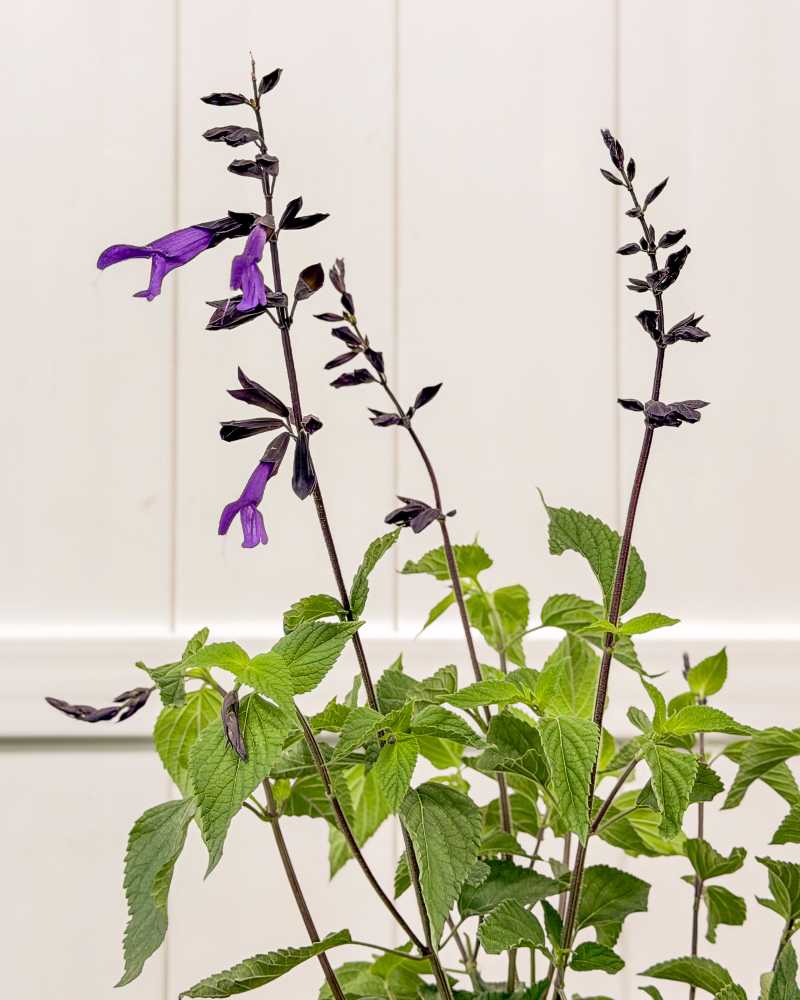
Salvia Lavender is an absolute sun-worshipper and performs best in full sun. To achieve the most intense lavender color, sturdiest stems, and maximum bloom production, ensure it receives at least 6 hours of direct, unfiltered sunlight daily. While it can tolerate very light partial shade, too much shade will cause the plant to become loose, leggy, and flower poorly.
Soil
Excellent drainage is the most critical requirement for this plant. Salvia will quickly suffer in heavy, clay-heavy, or waterlogged soils. A loose, gritty potting mix with a neutral to slightly alkaline pH is ideal. Mixing a standard high-quality potting soil with plenty of perlite, pumice, or coarse sand will ensure water drains rapidly and keeps the root zone healthy.
Water
Once established, Salvia Lavender is remarkably drought-tolerant. Water thoroughly only when the top 2 inches of the soil have dried out completely. It prefers a “soak and dry” cycle rather than constant moisture. Avoid overwatering or letting the pot sit in a water-filled saucer, as soggy conditions are this plant’s main weakness.
Fertilizer
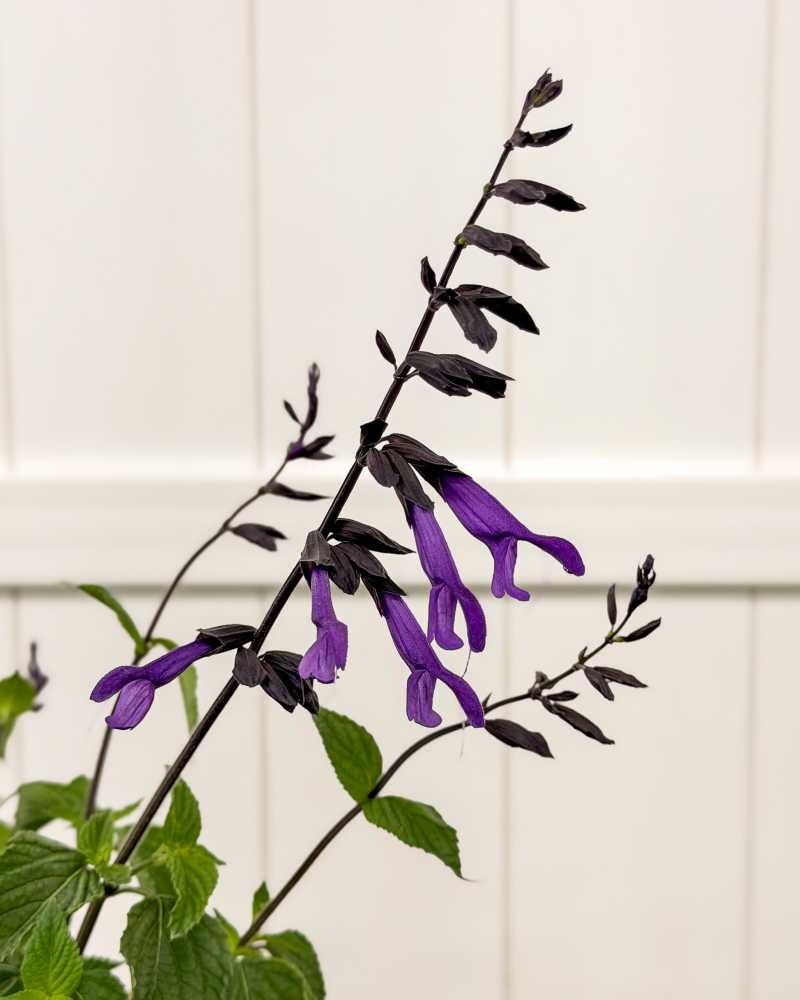
This plant thrives in average to lean soils and is a very light feeder. Apply a balanced, slow-release organic fertilizer once in early spring to kickstart the growing season. Avoid heavy or high-nitrogen fertilizers, which will force the plant to grow weak, floppy green foliage at the expense of its signature lavender flower spikes.
Common Issues
The most frequent issue is floppy, sprawling stems that fall over. This is a classic sign that the plant is either receiving too much fertilizer, too much water, or not enough direct sunlight. If the plant stops blooming in mid-summer, it usually just needs a quick trim to stimulate a fresh round of growth.
Pests
Thanks to the strong, aromatic oils in its foliage, Salvia Lavender is naturally resistant to deer, rabbits, and most common garden pests. However, it can occasionally host minor sap-suckers like whiteflies, aphids, or spider mites during hot, dry spells. Treat any early signs promptly with organic neem oil or a gentle insecticidal soap spray.
Disease
The primary threat to Salvia is root or crown rot, brought on exclusively by overwatering, poor drainage, or heavy soil. It can also occasionally develop powdery mildew—a white, dusty fungal coating on the leaves—if the foliage stays wet or air circulation is restricted. Always water at the base of the plant and give it plenty of breathing room.
Pruning
Regular deadheading is the secret to an extended blooming season. Use sharp, sanitized shears to snip off faded flower spikes down to the next leaf node; this encourages the plant to instantly branch out and produce new buds. After the main summer flowering flush slows down, you can shear the entire plant back by a third to refresh the foliage and trigger a massive autumn rebloom.
Potting / Repotting
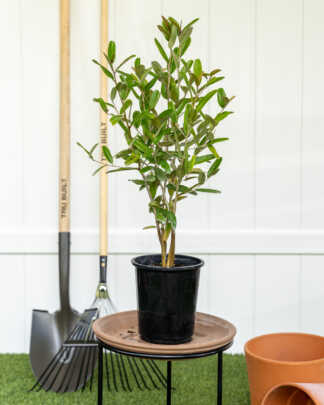
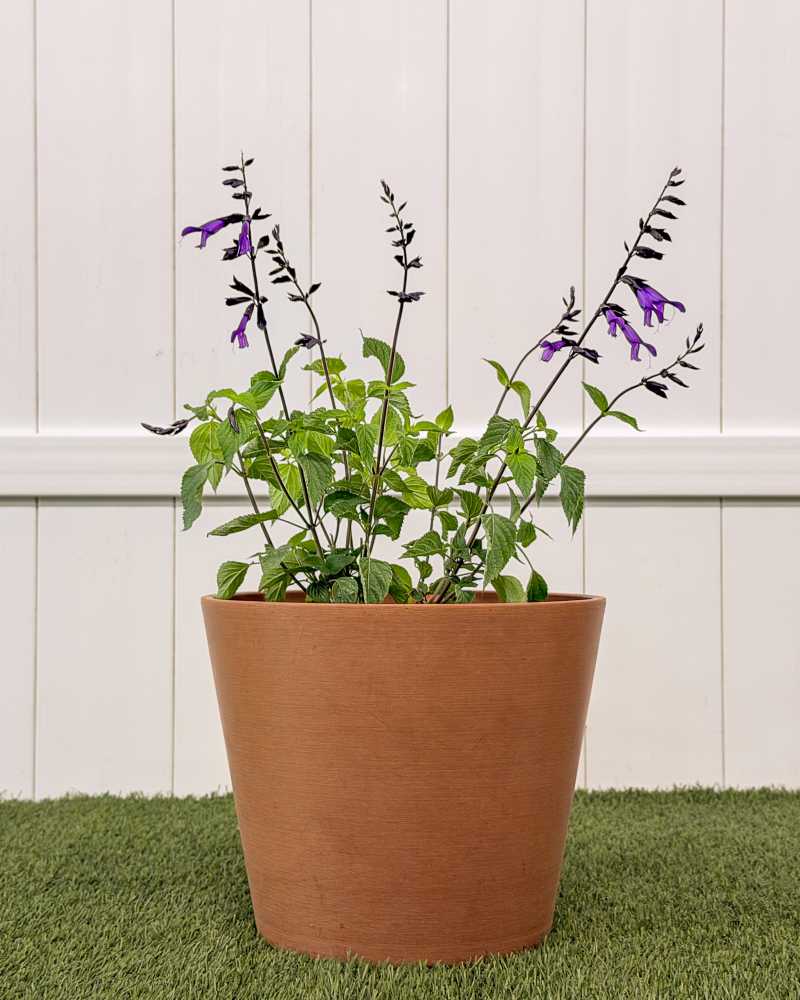
Thanks to its tidy, mounding growth habit, Salvia Lavender adapts beautifully to medium-sized decorative patio containers. Plan to repot every 1 to 2 years in early spring to refresh the soil mix and ensure the root system has a clean, well-draining foundation for the upcoming season. Always use a container with functional drainage holes.