Description
Caring for your Pothos ‘Silvery Ann’
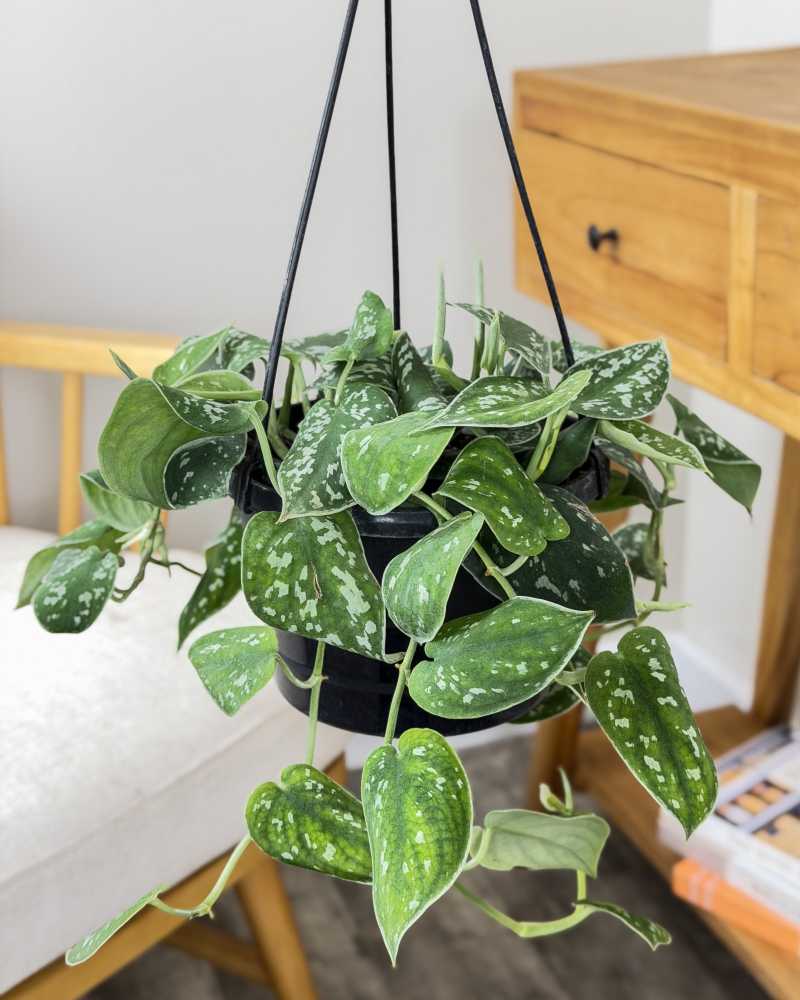
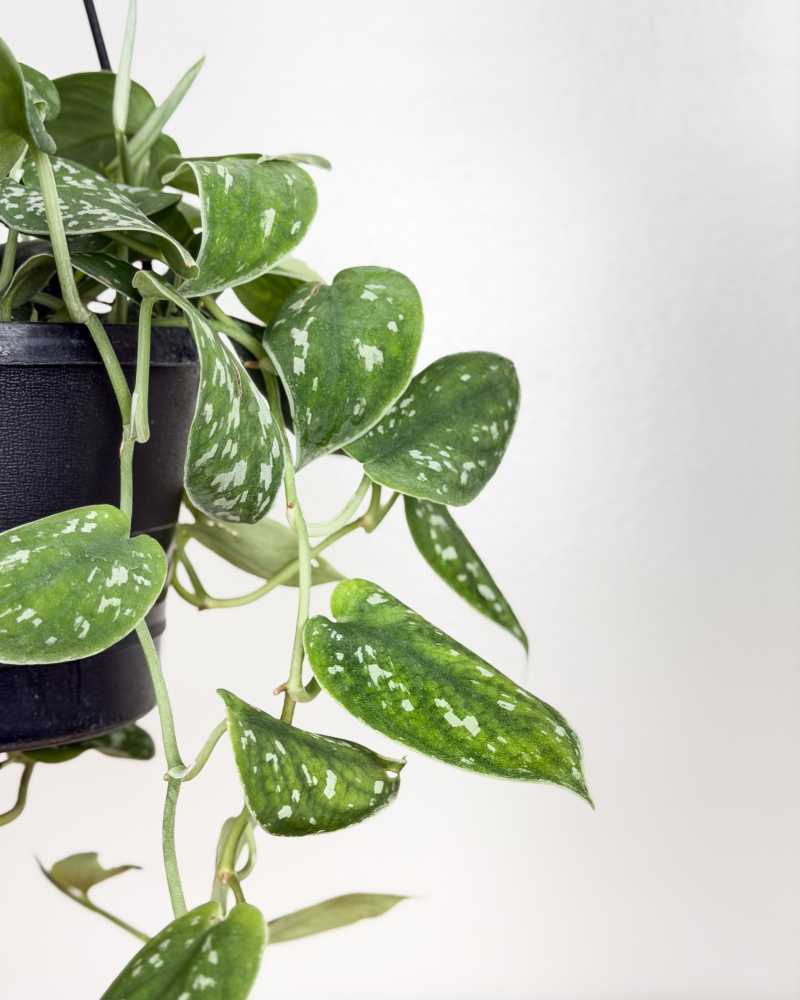
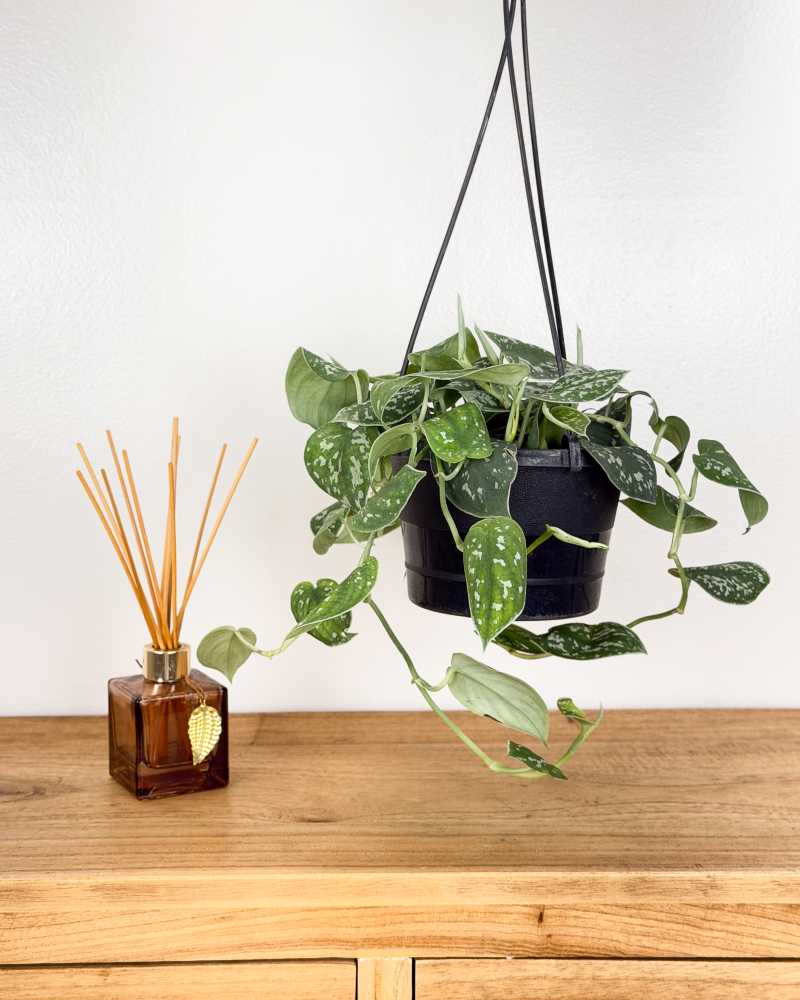
With its velvety heart-shaped leaves adorned with heavy, shimmering silver splashes, the Pothos ‘Silvery Ann’ (Scindapsus pictus ‘Silvery Ann’) is a captivating tropical favorite. Known for its cascading vines and striking metallic sheen, this low-maintenance gem brings a touch of effortless luxury to hanging baskets, high shelves, or desktops. Highly adaptable and resilient, it is an ideal choice for both beginner plant parents and seasoned collectors alike.
Light
Pothos ‘Silvery Ann’ thrives in bright, indirect sunlight. Adequate light allows it to maintain its intense silver variegation and compact growth habit. Place it near an east-facing window or a few feet back from a bright south/west window. Protect it from harsh, direct sunlight, which can scorch its soft, velvety foliage and cause the vibrant silver patterns to fade.
Soil
A chunky, well-draining potting mix is essential to keep your plant healthy and prevent root rot. Use a tropical or aroid mix blended with perlite, orchid bark, and coco coir to ensure excellent aeration around the root system. The soil should hold light moisture while allowing excess water to drain freely. A slightly acidic to neutral pH (6.0 to 7.0) works best.
Water
Allow the top 50% of the soil to dry out completely between waterings. Pothos ‘Silvery Ann’ is quite forgiving and will curl its leaves slightly inward when it is thirsty, serving as a helpful indicator to water. Saturate the soil thoroughly until water drains from the bottom, then discard any standing water in the saucer. Avoid overwatering, as soggy soil will quickly cause yellowing leaves and root rot.
Humidity & Temperature
Thriving in warm, tropical conditions, this plant prefers temperatures between 65°F and 85°F (18°C to 29°C). While it adapts well to average household humidity, it truly flourishes in higher humidity levels (50% or above), which promotes larger foliage and faster growth. Protect it from cold drafts, air conditioning vents, and temperatures dropping below 60°F (15°C).
Fertilizing
Feed monthly during the active growing season in spring and summer using a balanced liquid houseplant fertilizer diluted to half strength. Avoid fertilizing during late fall and winter when the plant’s growth naturally slows down.
Pruning and Maintenance
Regular pruning helps maintain a full, bushy plant and prevents long, sparse vines. Trim back trailing stems just above a leaf node using sharp, clean shears to encourage new, fuller growth at the base. Gently wipe the velvety leaves with a damp cloth occasionally to remove dust and keep the silver sheen vibrant.
Pest and Disease Management
Inspect foliage regularly for common pests such as mealybugs, spider mites, and scale, which often hide on the undersides of leaves or along stem nodes. Treat infestations early with neem oil or insecticidal soap. Overwatering is the most common issue; ensure excellent drainage and proper dry-out periods to prevent bacterial leaf spot and root rot.
Propagation
Propagation is fast and simple via stem cuttings taken in spring or early summer. Snip a 4- to 6-inch vine cutting containing at least 2 to 3 leaf nodes, remove the bottom leaves, and place the stem in water or moist sphagnum moss in a warm, brightly lit area until a healthy root system develops.