Description
Caring for your Philodendron Tortum
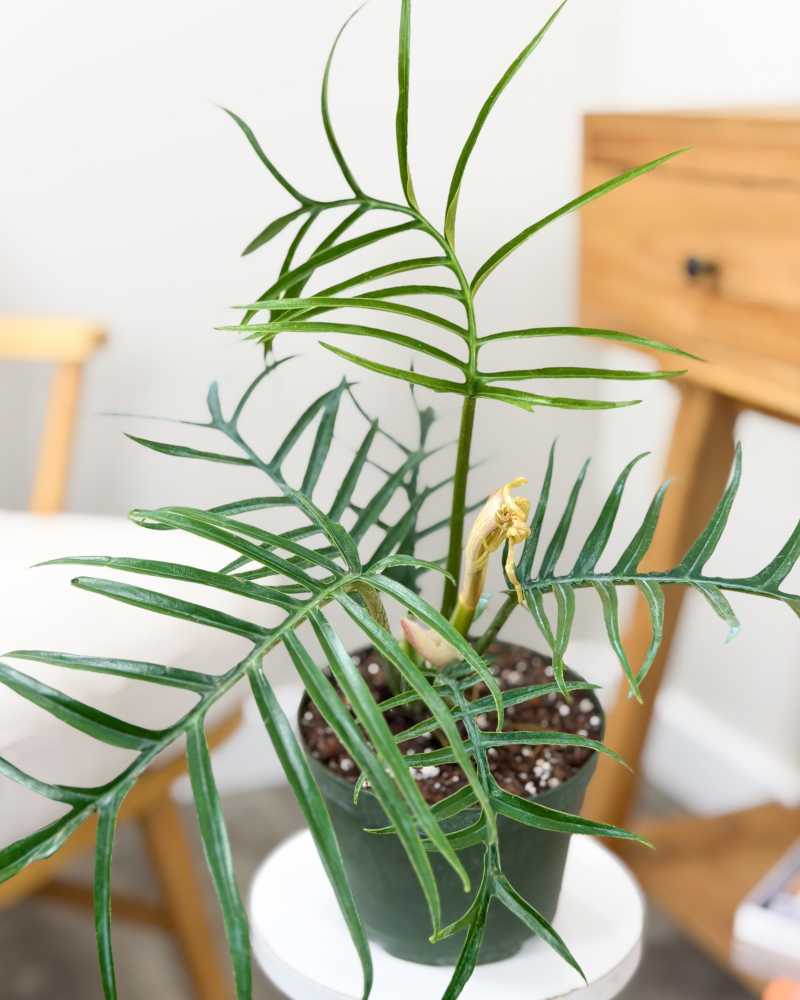
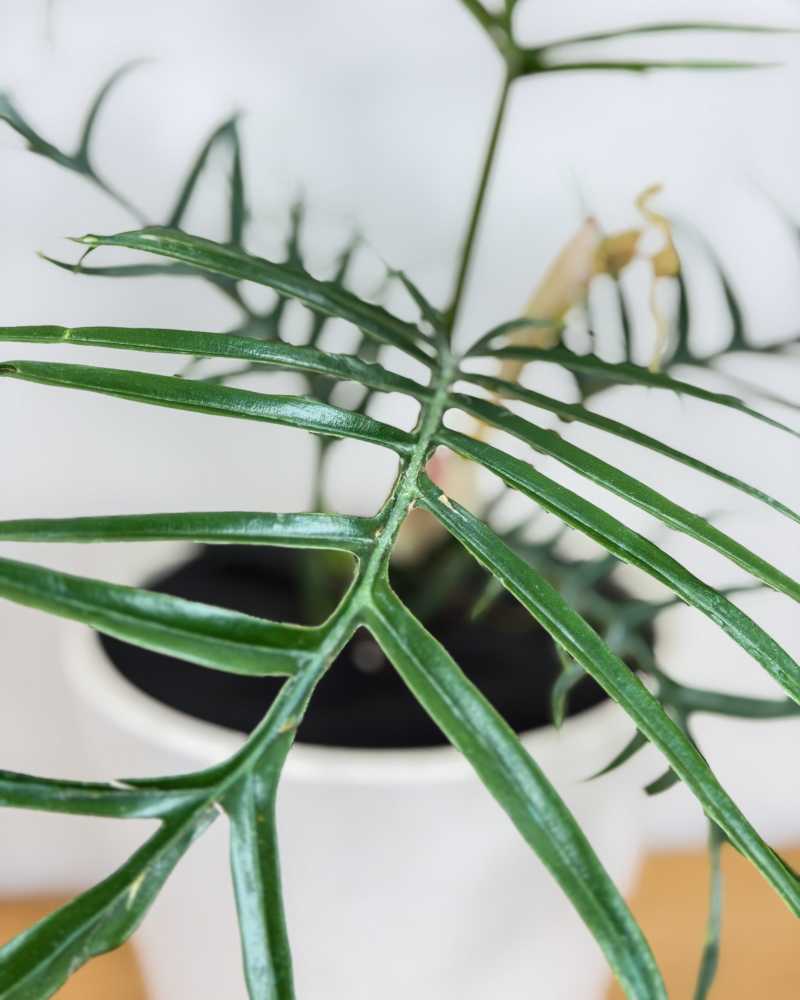
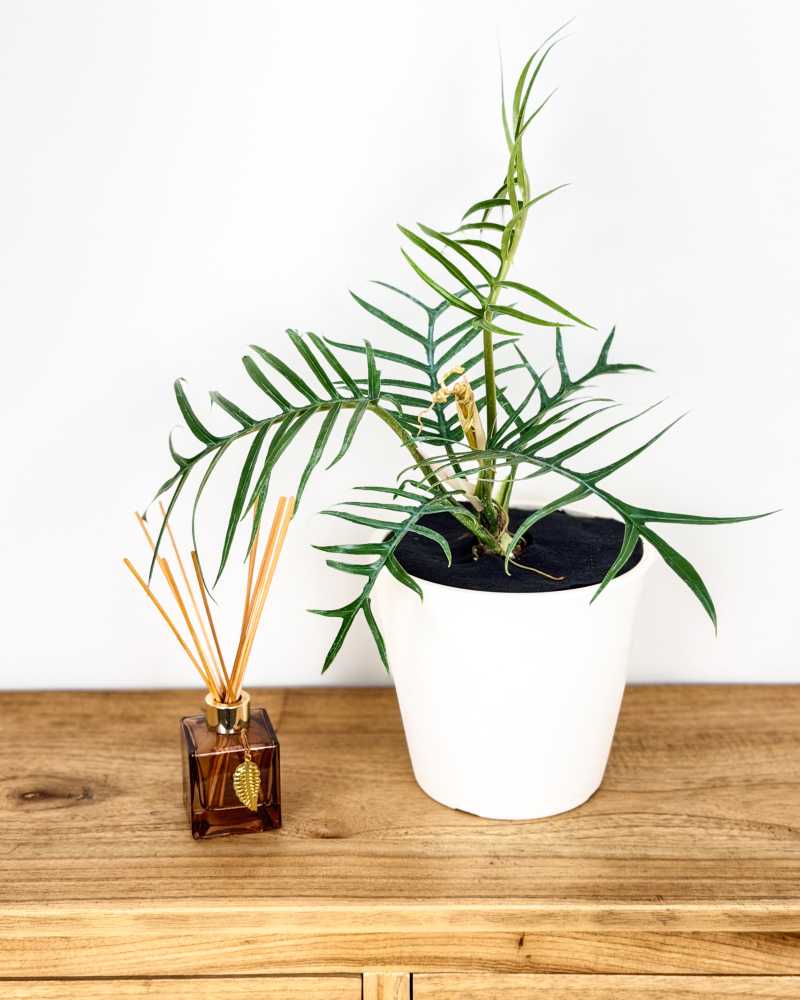
With its deeply dissected, skeleton-like leaves that resemble a cross between a palm and a fern, Philodendron Tortum is a true showstopper among rare aroids. Giving it bright indirect light, a chunky soil mix, and support to climb will reward you with dramatic, architectural foliage that unfurls in soft coppery tones before turning deep green. Whether climbing up a moss pole or taking center stage on a plant stand, this low-maintenance tropical species adds instant exotic texture to any indoor collection.
Light
Philodendron Tortum thrives in bright, indirect sunlight. Generous light encourages tighter leaf spacing and larger, more intricately lobed leaves. It can tolerate medium light, but growth will slow down significantly. Avoid intense, direct sunlight, which can scorch its thin, ribbon-like leaf segments.
Soil
A chunky, highly breathable aroid mix is essential to prevent root rot. Combine standard potting soil with orchid bark, perlite, pumice, and horticultural charcoal to ensure maximum aeration and rapid drainage, mimicking the epiphytic natural habitat of climbing aroids.
Water
Water your Philodendron Tortum when the top 1 to 2 inches of soil feel dry to the touch. Water thoroughly until liquid runs out of the drainage holes, then empty the tray completely. Be careful not to overwater or let the plant sit in standing water, as its root system needs oxygen to thrive.
Humidity & Temperature
This tropical plant thrives in warm environments between 65°F and 85°F (18°C to 29°C). While it adapts reasonably well to average household humidity, higher humidity levels (60% or higher) will accelerate growth and help new leaves unfurl smoothly without tearing. Keep it protected from cold drafts and air vents.
Fertilizing
Feed monthly during the active spring and summer growing season using a balanced liquid houseplant fertilizer diluted to half-strength. Pause fertilizing during the fall and winter months when the plant rests.
Pruning and Maintenance
Pruning is rarely needed except to remove yellowing or damaged lower leaves with clean shears. As a natural climber, providing a moss pole or trellis will encourage larger leaf development and support its heavy, twisting stems.
Pest and Disease Management
Inspect the narrow leaf segments periodically for common pests like spider mites, mealybugs, and thrips. Treat any early signs of infestation with insecticidal soap or neem oil spray. Avoid heavy, waterlogged soil to protect against fungal root rot. (Note: Like most philodendrons, it is toxic to pets if ingested).
Propagation
Philodendron Tortum propagates easily through stem cuttings with at least one healthy node and leaf. Place the cutting in moist sphagnum moss, water, or perlite in a warm, humid spot until a strong root system establishes in 3 to 5 weeks.