Description
Caring for your Oregano
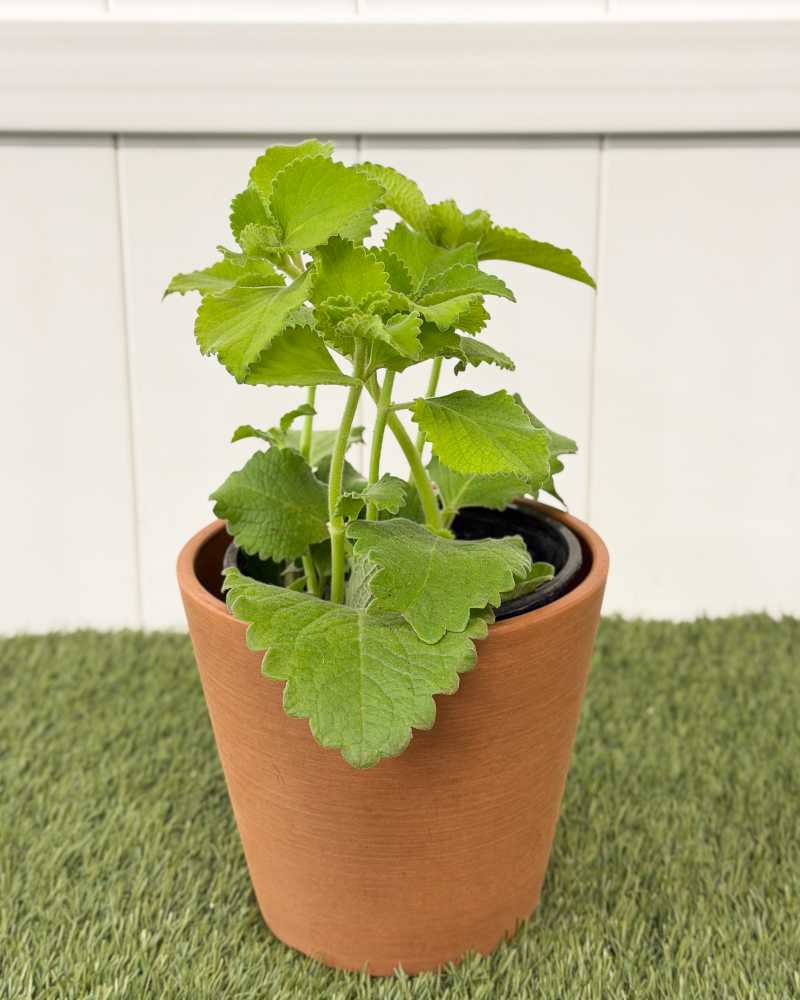
With its fragrant, earthy foliage and delightful Mediterranean charm, Oregano (Origanum vulgare) is a timeless staple for herb gardeners and home cooks alike. Featuring small, oval green leaves and a bushy growth habit, this resilient perennial brings fresh flavor, rich aromatics, and lush green texture to sunny kitchen windowsills, patio containers, or garden beds. Highly adaptable and low-maintenance, it asks for little more than abundant sunlight and well-draining soil to thrive.
Light
Oregano requires full sun to produce its highest concentration of essential oils and vibrant flavor. Aim for at least 6 to 8 hours of direct sunlight daily. Outdoors, place it in an unshaded, sunny location. Indoors, position it directly on a south-facing windowsill or utilize a grow light to prevent leggy, stretched growth.
Soil
A lean, gritty, and exceptionally well-draining soil mix is critical for healthy Oregano roots. Use a standard cactus or succulent potting mix, or blend regular potting soil with equal parts perlite, coarse sand, or pumice. Oregano prefers slightly alkaline to neutral soil pH (6.5 to 7.0) and will suffer in dense, moisture-retentive soils.
Water
Allow the soil to dry out almost completely between waterings. Oregano is highly drought-tolerant and extremely sensitive to overwatering, which can quickly lead to root rot. Water deeply when the top 1 to 2 inches of soil are bone-dry to the touch, and always ensure excess water drains away completely. Reduce watering significantly during the dormant winter months.
Humidity & Temperature
Native to the dry, sunny Mediterranean region, Oregano thrives in warm temperatures between 60°F and 80°F (15°C to 27°C). It tolerates average household humidity well but prefers lower to moderate humidity environments with excellent air circulation. Protect your plant from severe frost and freezing temperatures, as well as damp, stagnant air.
Fertilizing
Feed sparingly. Apply a balanced organic liquid fertilizer or mild herb food diluted to half strength just once or twice during the active growing season in spring and summer. Over-fertilizing leads to fast, weak growth and dilutes the concentration of essential oils, diminishing the plant’s signature aroma and flavor.
Pruning and Maintenance
Pinch back the growing tips regularly to encourage dense, bushy foliage and prevent woody, leggy stems. Pinch off flower buds as soon as they appear to preserve optimal leaf flavor and foliage production. Prune away dead or overgrown branches in early spring to shape the plant and promote vigorous new growth.
Pest and Disease Management
Keep an eye out for common pests such as spider mites, aphids, and thrips, especially on indoor plants. Treat minor infestations early with neem oil or insecticidal soap spray. Prevent fungal diseases like powdery mildew or root rot by planting in well-draining soil, avoiding overhead watering, and maintaining ample airflow around the stems.
Propagation
Propagation is fast and easy using softwood stem cuttings or root division in spring or early summer. Take a 3- to 4-inch cutting from a healthy stem, strip the lower leaves, and submerge the stem in water or plant directly into moist, gritty soil in a warm, brightly lit area until new roots establish.