Description
Caring for your Mussaenda Orange Marmalade
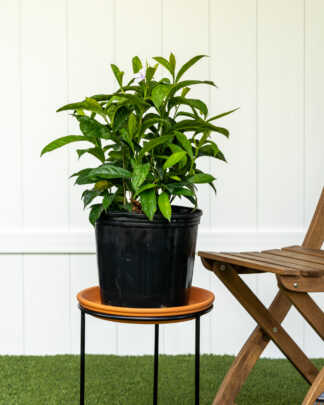
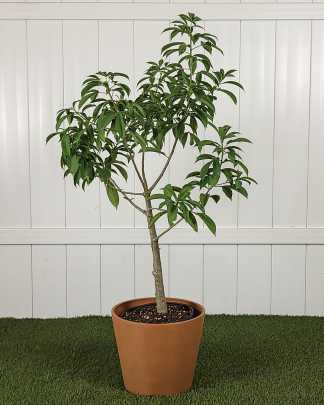
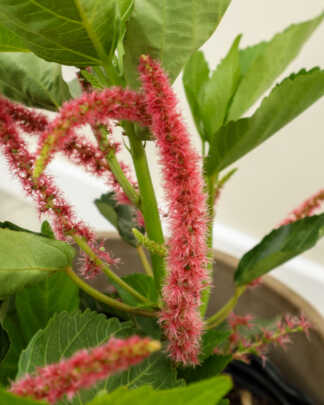
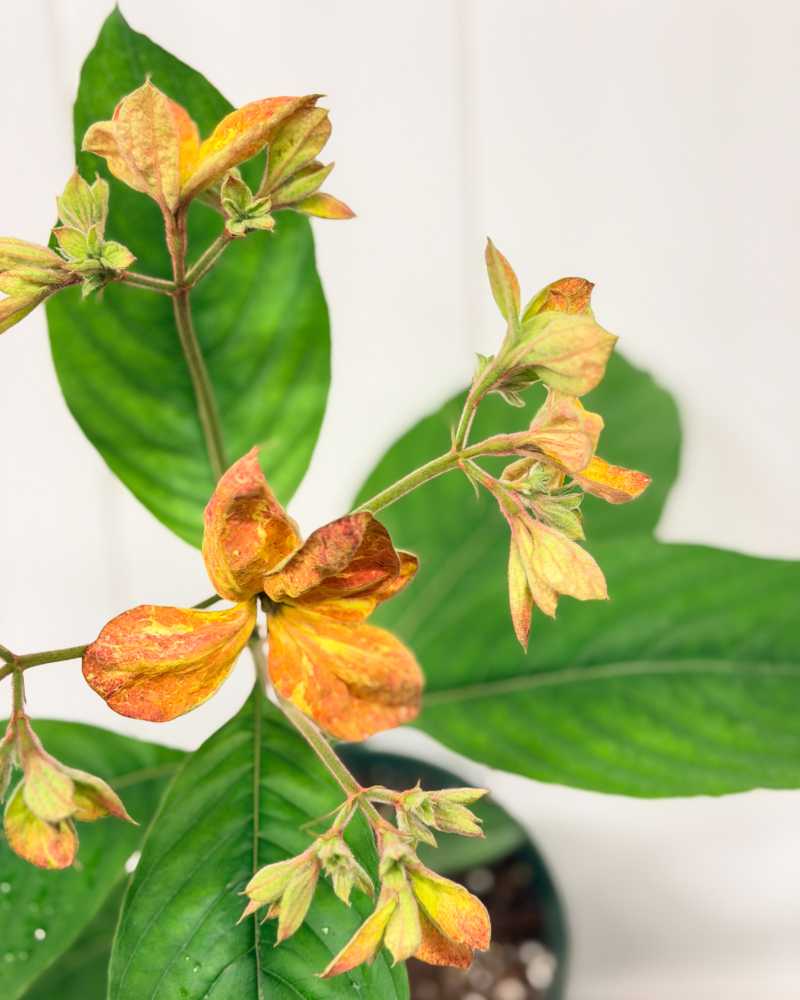
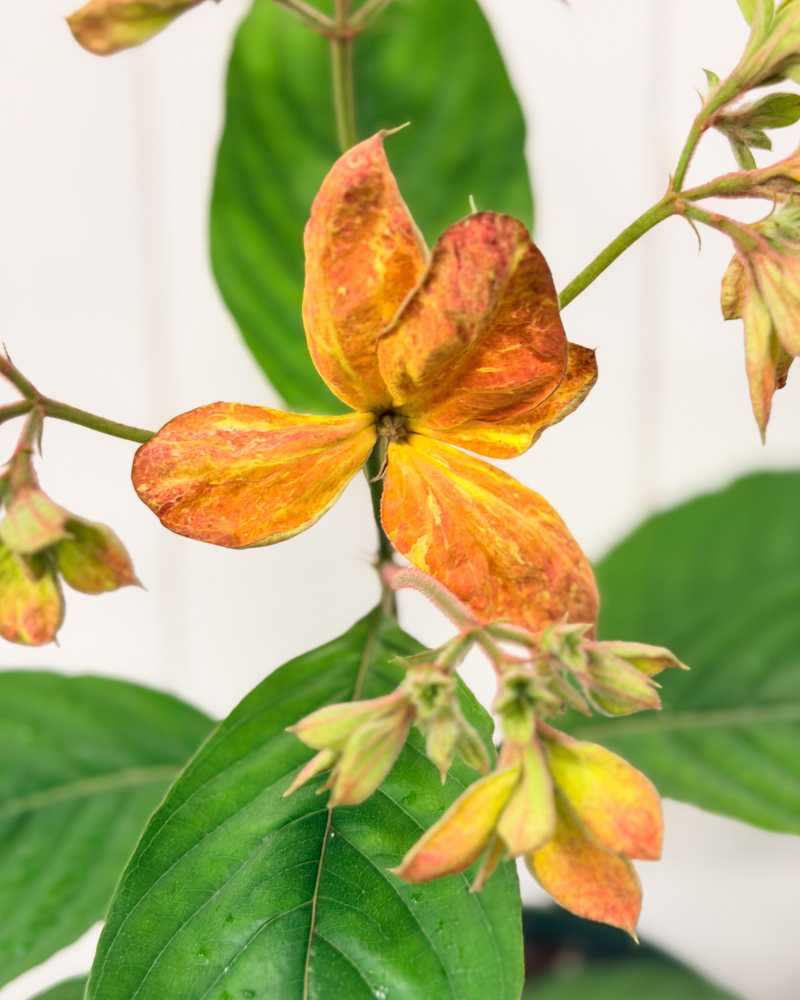
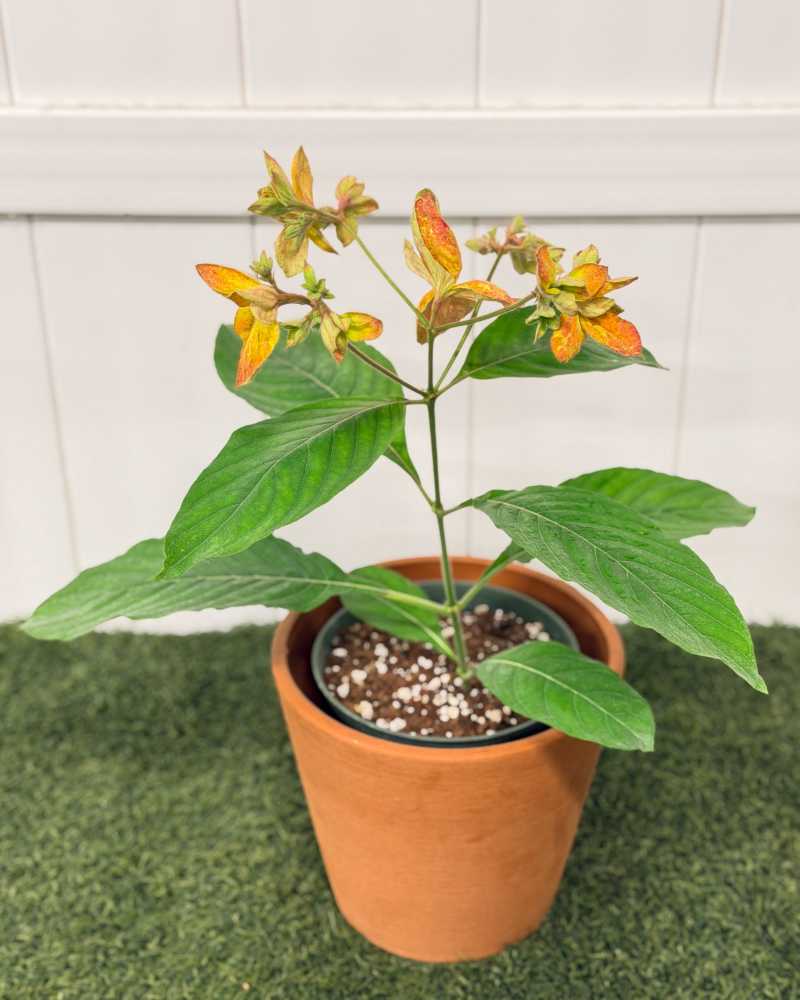
Mussaenda ‘Orange Marmalade’ is a breathtaking tropical shrub native to warm, humid regions of Asia and West Africa. Celebrated for its dramatic clusters of rich marmalade-orange bracts and delicate star-shaped yellow blooms, it adds instant tropical elegance to patio containers, sunrooms, and gardens. With its lush foliage and continuous blooms throughout the warmer months, this eye-catching beauty is a standout addition to any tropical plant collection.
Light
Mussaenda ‘Orange Marmalade’ thrives in full sun to bright, indirect light. To maximize blooming and maintain vibrant orange bracts, place it where it can receive at least 4 to 6 hours of direct or bright, filtered sunlight daily. Outdoors, a sunny spot with light afternoon protection in extremely hot climates is ideal. Indoors, place it near a bright east- or south-facing window. Insufficient light will cause the plant to become sparse and produce significantly fewer blooms.
Water
Consistent moisture is essential to keep your Mussaenda happy. It prefers evenly moist soil but should never sit in waterlogged earth. During the active growing season (spring through summer), water thoroughly whenever the top inch of soil feels dry to the touch, ensuring excess water drains freely from the bottom. Never allow the soil to dry out completely, as drought stress can cause premature leaf and bract drop.
In winter, when growth naturally slows, reduce watering slightly while keeping the soil lightly damp. Mussaenda also requires high humidity levels (50–60% or higher) to thrive. If indoor air is dry, use a humidifier, place the pot on a pebble tray filled with water, or mist the surrounding air frequently.
Temperature
As a true tropical plant, Mussaenda ‘Orange Marmalade’ loves heat and humidity. It performs best in temperatures between 65°F and 85°F (18°C – 29°C). It is extremely sensitive to cold; temperatures dropping below 50°F (10°C) can cause leaf loss, and frost will damage or kill the plant. Bring potted plants indoors well before the first fall frost, keeping them away from cold drafts or air conditioning vents.
Soil
Mussaenda prefers a rich, well-draining potting mix that retains moisture without holding standing water. A mixture of standard potting soil, peat moss, and perlite or coarse sand works well. Adding organic compost can enrich the soil and encourage healthy root development.
Ensure your container has adequate drainage holes. Mussaenda grows moderately fast and benefits from repotting every 1 to 2 years in spring to give its roots fresh nutrients and room to expand.
Fertilization
Because it produces heavy blooms throughout the warm season, Mussaenda ‘Orange Marmalade’ is a hungry feeder. Fertilize every 3 to 4 weeks during spring and summer using a balanced, water-soluble fertilizer diluted to half strength, or a blooming fertilizer higher in phosphorus to encourage flower production.
Reduce feeding to once every 2 months during the winter rest period, or hold off entirely until new growth resumes in spring.
Pruning
Regular pruning helps maintain a compact, bushy form and encourages fresh, bloom-bearing branches. Snip or pinch off faded bracts and blooms to direct energy into new growth. Perform a light structural pruning in early spring before new growth begins, cutting back leggy stems and removing any dead or weak foliage. Always use sharp, sterilized shears to prevent stem damage.
Pest and Disease Management
Mussaenda is generally resilient, but indoor or greenhouse plants may occasionally attract pests such as whiteflies, spider mites, aphids, or mealybugs. Inspect the undersides of leaves regularly. At the first sign of pests, treat the foliage with insecticidal soap or neem oil.
To prevent fungal leaf spots and root rot, avoid overwatering, refrain from wetting the leaves late in the evening, and ensure good air circulation around the plant.