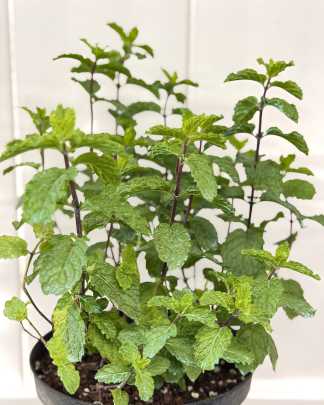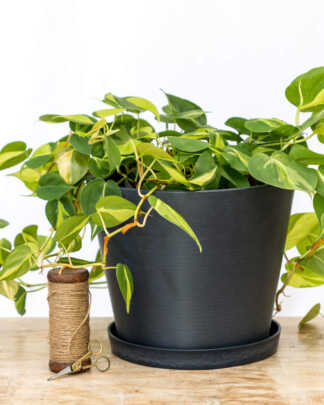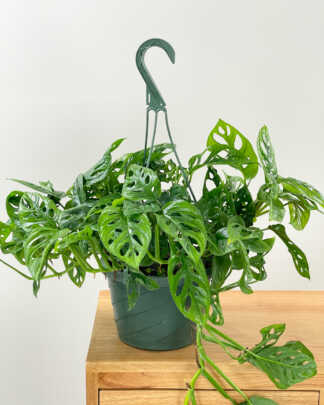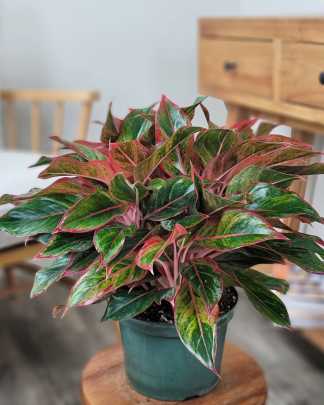
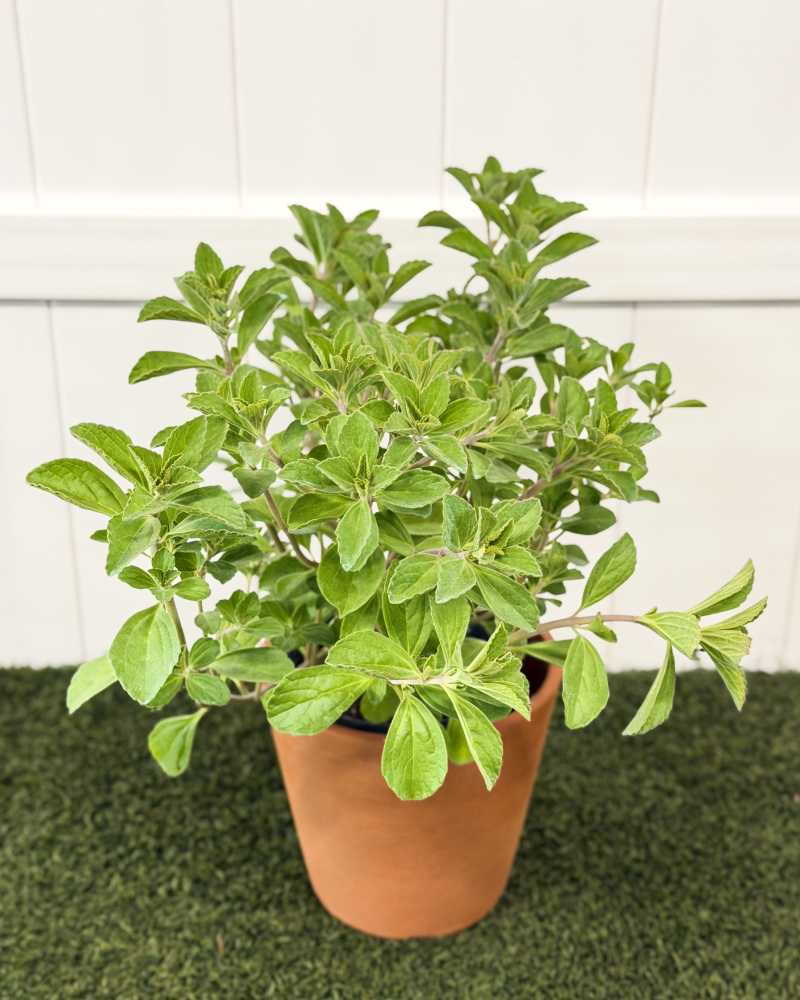
Description
Caring for your Vicks Plant
Light
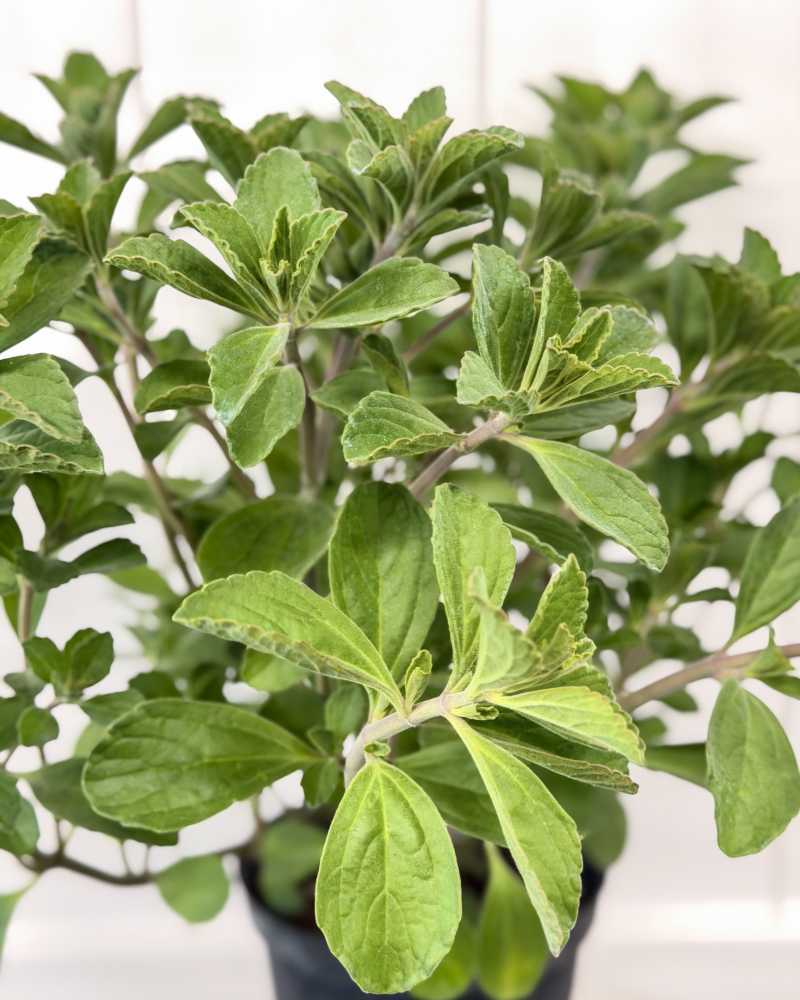
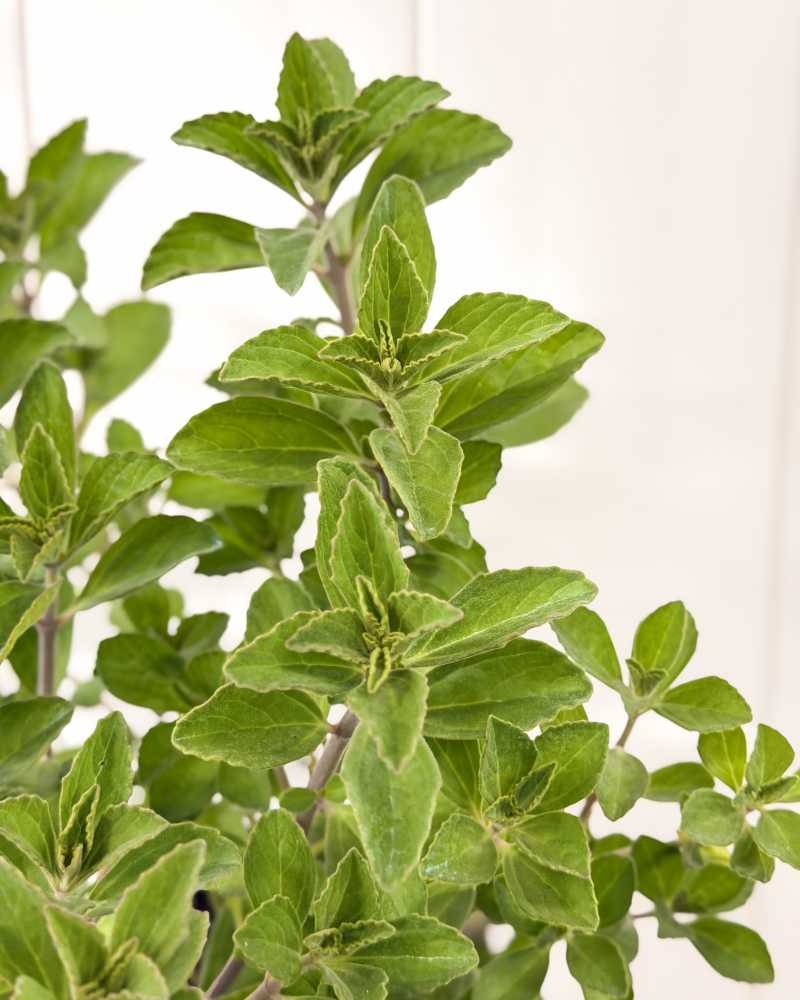
The Vicks Plant thrives best in bright, indirect sunlight or partial morning sun. It needs plenty of light to maintain its compact, bushy shape and rich aromatic oils. Avoid harsh, direct afternoon sun, which can easily scorch its tender, fuzzy leaves. If grown indoors, a bright south- or west-facing windowsill is the perfect location.
Soil
As a semi-succulent herb, this plant requires an exceptionally loose, airy, and sharply draining medium. Never use heavy, dense potting soils. A premium cactus and succulent mix, or standard potting soil heavily amended with perlite and coarse sand, is ideal to prevent moisture from trapping around the root system.
Water
The Vicks Plant is highly drought-tolerant thanks to its thick, water-storing leaves. Follow the “soak and dry” method: water thoroughly only when the potting mix has completely dried out from top to bottom. Overwatering is the quickest way to damage this plant; when in doubt, it is always safer to underwater than to overwater.
Fertilizer
This resilient succulent is a very light feeder. Apply a balanced liquid fertilizer diluted to 1/4 strength just once or twice during the active growing season (spring and summer). Do not fertilize at all during the winter months when the plant’s growth naturally slows down.
Common Issues
The most common mistake with the Vicks Plant is overwatering, which quickly causes the lower leaves to turn yellow, mushy, and drop off. If the plant becomes too “leggy” or stretched out, it simply means it is reaching for more light. Move it to a brighter spot and trim the long stems to encourage a fuller, bushier shape.
Pests
Thanks to its highly potent menthol oils, the Vicks Plant acts as a natural pest deterrent and is rarely bothered by insects. Occasionally, mealybugs or scale may try to hide under the soft leaf clusters. If spotted, safely dab them away using a cotton swab dipped in rubbing alcohol.
Disease
The primary threat to this plant is root rot or fungal disease, almost always triggered by soggy soil, poor drainage, or high standing humidity. Always ensure your container has excellent drainage holes and avoid getting the fuzzy leaves wet when watering.
Pruning
Pruning is minimal but highly beneficial to maintain a beautiful shape. Pinch back the growing tips regularly to promote lateral branching and prevent leggy growth. Use clean, sharp shears to snip away any older, drying bottom leaves or to harvest aromatic stems for DIY aromatherapy.
Potting / Repotting
The Vicks Plant has a relatively shallow root system and prefers being slightly snug in its container. Choose a stable, porous pot (like terracotta, which helps wick away excess moisture) that matches its current size. Repotting is rarely needed, usually only every 2 years in spring to refresh the soil.