Description
Caring for your Marigold
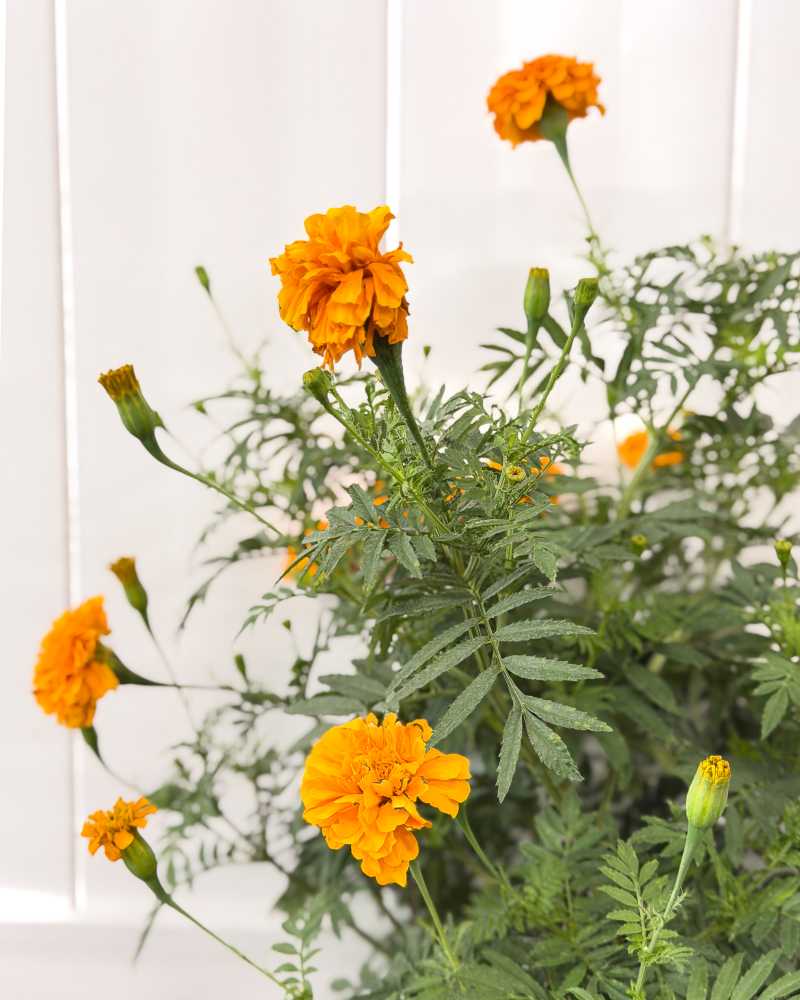
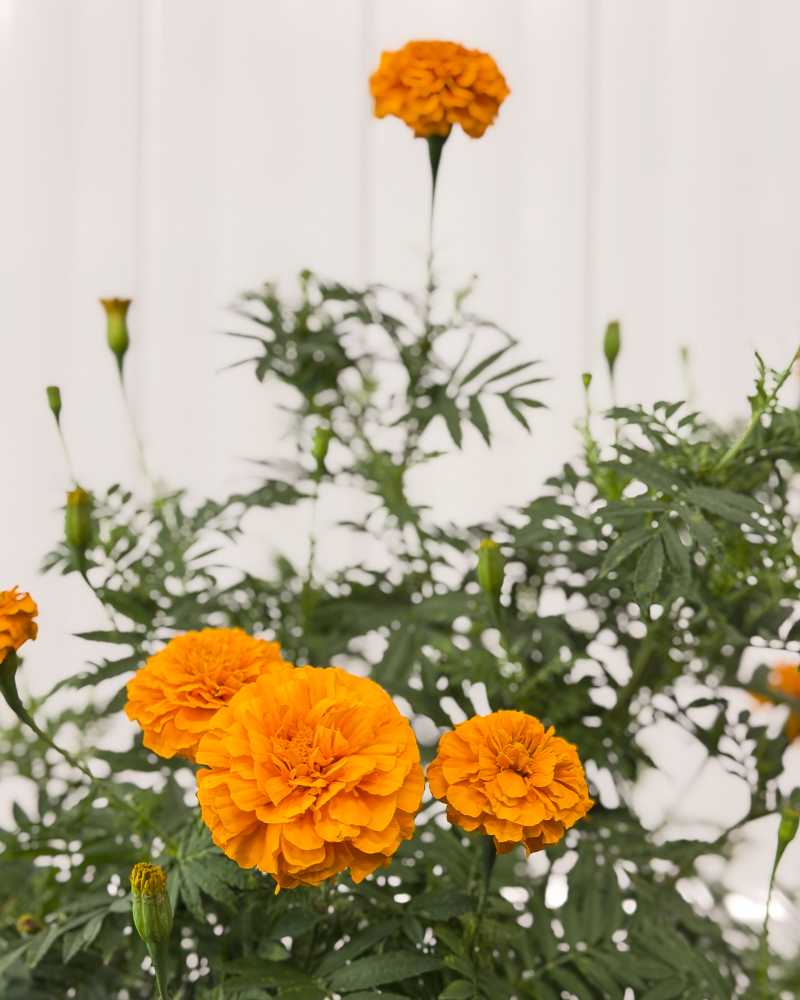
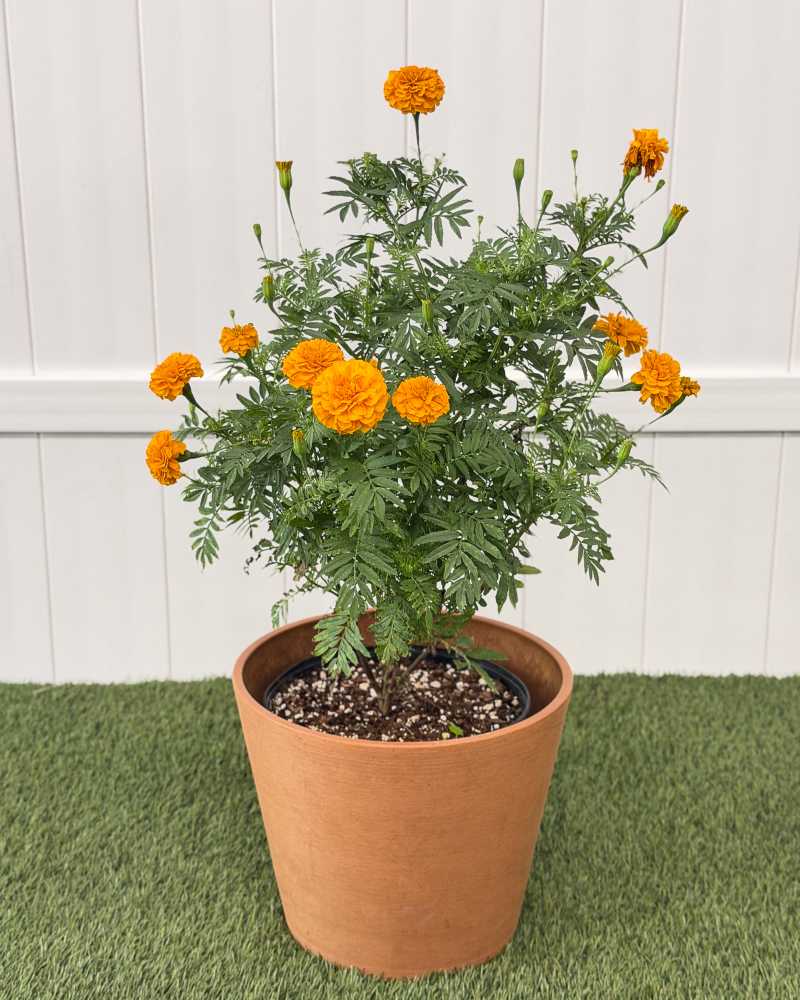
With its fiery golden, orange, and yellow blossoms and distinct aromatics, the Marigold (Tagetes spp.) is a classic favorite for gardens, patios, and bright indoor spaces. Celebrated for its continuous blooms and hardy nature, this cheerful plant brings an instant burst of warm color while naturally repelling garden pests. Easy to grow and endlessly rewarding, it’s a brilliant addition to any plant collection.
Light
Marigolds require full, direct sunlight to produce their signature, abundant blooms. Aim for at least 6 hours of unshaded, direct sun daily. Outdoors, plant them in the sunniest spot available. Indoors, place them directly on a south-facing windowsill or under a strong grow light to prevent leggy, weak stems and promote dense flowering.
Soil
A well-draining, moderately fertile potting soil is ideal for Marigolds. Use a standard high-quality potting mix blended with perlite or coarse sand to ensure excess water drains quickly. They prefer a neutral to slightly acidic soil pH between 6.0 and 7.0. Avoid overly rich soil high in nitrogen, as this encourages excess leaf growth rather than flower production.
Water
Water thoroughly when the top inch of soil feels dry to the touch. Water directly at the base of the plant to keep the foliage and blossoms dry, as wet leaves are prone to fungal issues. While Marigolds are moderately drought-tolerant once established, consistent moisture during hot spells will keep blooms looking fresh and vibrant. Always ensure pots have drainage holes and discard excess runoff.
Humidity & Temperature
Marigolds thrive in warm, sunny conditions with ideal temperatures ranging between 65°F and 80°F (18°C to 27°C). They tolerate average to low humidity levels well and prefer dry, circulating air. Protect them from cold drafts, frost, and overly humid, stagnant environments, which can foster powdery mildew.
Fertilizing
Feed sparingly. Apply a balanced, water-soluble liquid fertilizer diluted to half strength once a month during the active growing season in spring and summer. A fertilizer slightly higher in phosphorus will encourage continuous blooming. Avoid over-fertilizing with high-nitrogen formulas, which result in lush green foliage with very few flowers.
Pruning and Maintenance
Regularly deadhead (remove) spent or fading flowers by pinching or cutting them back to the nearest leaf node. This prevents seed production and encourages the plant to continuously produce fresh new blooms all season long. Trim away any yellowed or damaged foliage to keep the plant looking neat and healthy.
Pest and Disease Management
While Marigolds naturally deter many garden pests, they can occasionally attract spider mites, aphids, or whiteflies, particularly in hot, dry conditions. Treat minor infestations with a gentle spray of neem oil or insecticidal soap. Prevent fungal diseases like powdery mildew and root rot by ensuring good air circulation around the base and avoiding overhead watering.
Propagation
Marigolds are easily grown from seeds or softwood stem cuttings. Collect seeds from dried, deadheaded flower heads or sow fresh seeds in moist potting mix during early spring. For stem cuttings, snip a 3- to 4-inch non-flowering stem, remove the lower leaves, and plant in moist, gritty soil until roots establish in a few weeks.