Description
Caring for your MacArthur Palm
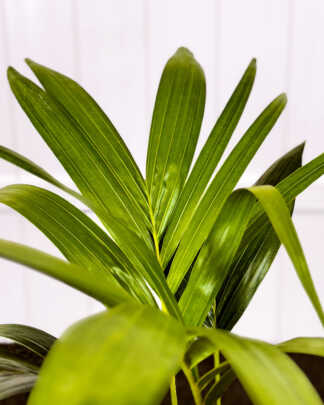
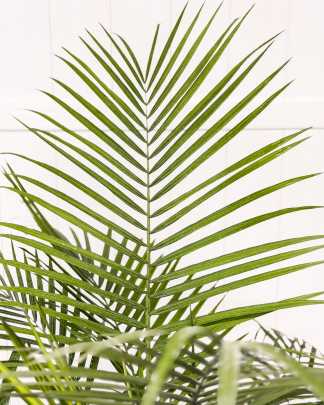
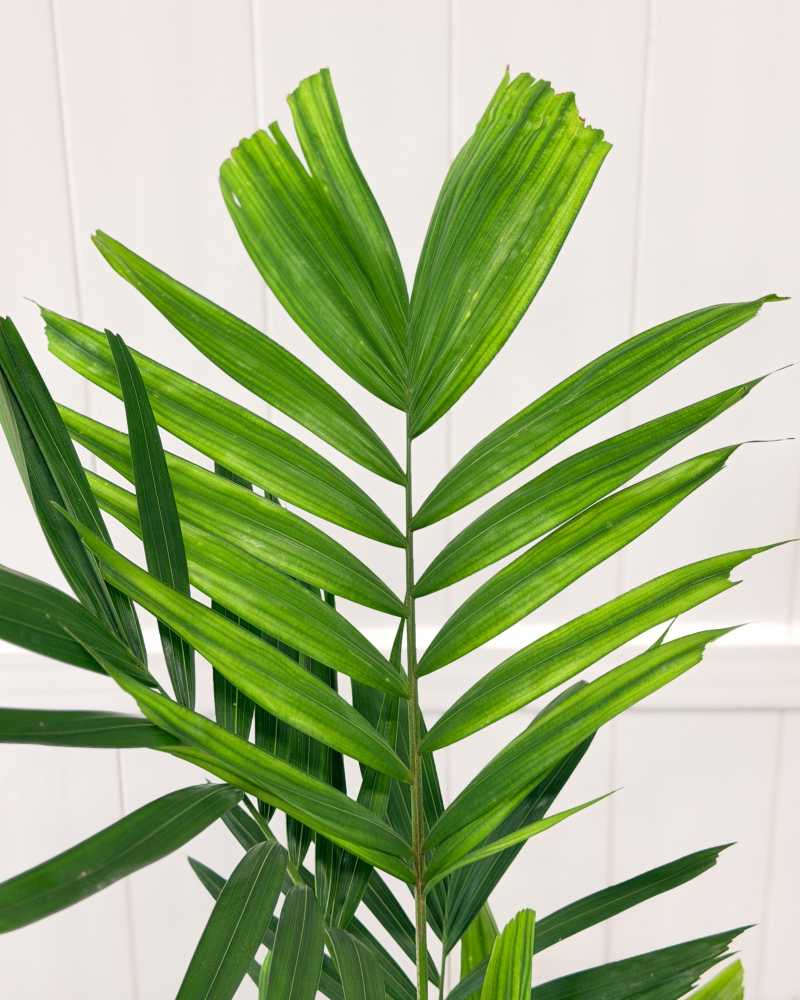
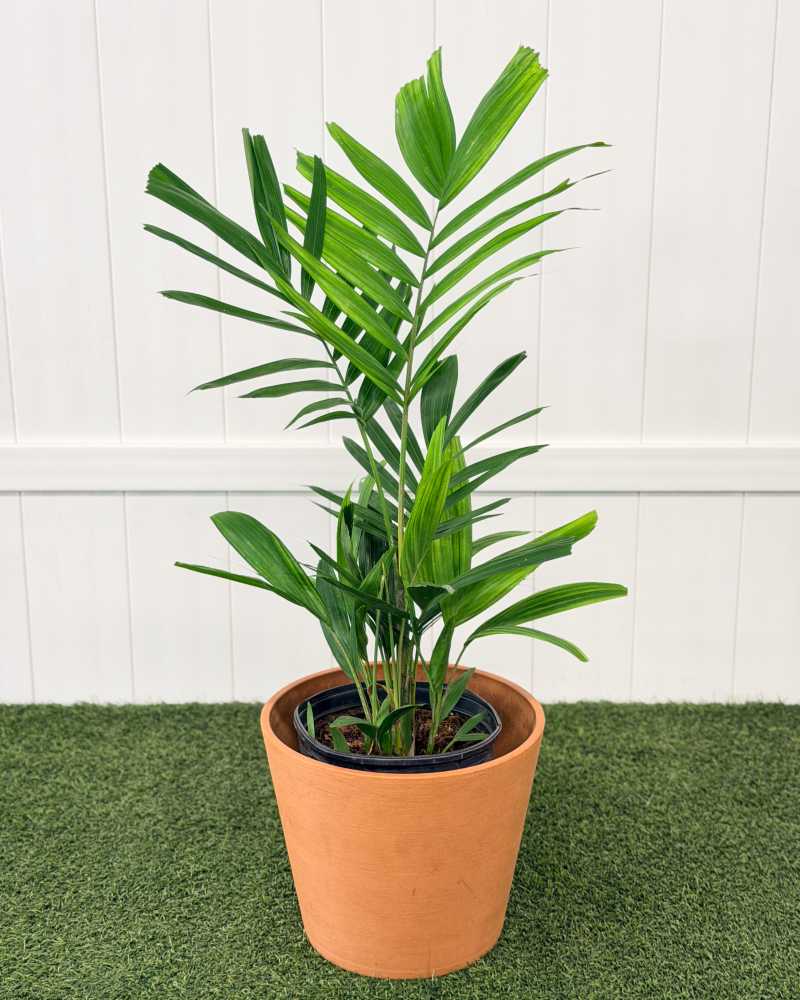
Ptychosperma macarthurii, commonly known as the MacArthur Palm (or McCathur Palm), is an elegant, multi-stemmed clustering palm native to the tropical rainforests of Australia and New Guinea. Known for its slender, bamboo-like trunks and lush, feather-shaped fronds, this medium-sized palm creates a beautiful, dense canopy. It is highly valued for bringing a refined, tropical oasis feel to patios, shaded gardens, or large, brightly lit indoor spaces.
Light
Thrives best in bright, indirect light or dappled partial shade. While mature palms can adapt to full sun in humid environments, young plants or those grown indoors should be protected from harsh, direct afternoon sunlight, which can scorch the fronds and turn them yellow. If grown indoors, place it near a large, bright window (East or South-facing with a sheer curtain) to maintain vigorous growth.
Soil
Requires a rich, loose, and excellently draining soil mix. A high-quality palm or citrus potting mix amended with perlite, coarse sand, and a bit of peat moss works perfectly. Good drainage is non-negotiable, as the roots are sensitive to waterlogging.
Water
Keep the soil evenly moist but never soggy. During the active growing season (spring and summer), water deeply when the top 1 to 2 inches of the soil feel dry to the touch. The MacArthur Palm loves humidity, so never let the root ball dry out completely. In the cooler winter months, reduce watering frequency slightly, allowing the top layer of soil to dry a bit more between waterings.
Fertilizing
Feed the palm every 2 to 3 months during the active spring and summer growing season using a high-quality, slow-release palm fertilizer rich in micronutrients (especially magnesium, manganese, and iron). Proper nutrition prevents yellowing (chlorosis) in the older fronds. Pause fertilizing during the winter dormancy period.
Pruning and Maintenance
This palm is relatively low-maintenance. Prune only to remove old, entirely brown, or dying fronds at the base of the stem to maintain a tidy appearance. Never cut fronds that are still partially green, as the palm continues to draw nutrients from them. Because it naturally clusters, do not attempt to thin out the multiple stems, as this is its natural, bushy growth habit.
Pest and Disease Management
Watch for common indoor and tropical pests such as spider mites, scale insects, and mealybugs, which often hide on the undersides of the leaflets. Treat any infestations promptly with insecticidal soap or horticultural oil. Maintain high humidity around the plant (via misting or pebble trays) to deter spider mites. Avoid overhead watering to prevent fungal leaf spots.
Potting / Repotting
When grown in a container, repot every 2 to 3 years or when the palm becomes severely root-bound. Choose a sturdy, heavy pot (to prevent it from tipping over as it grows taller) that is 2 to 3 inches wider than the current one, ensuring it has ample drainage holes.