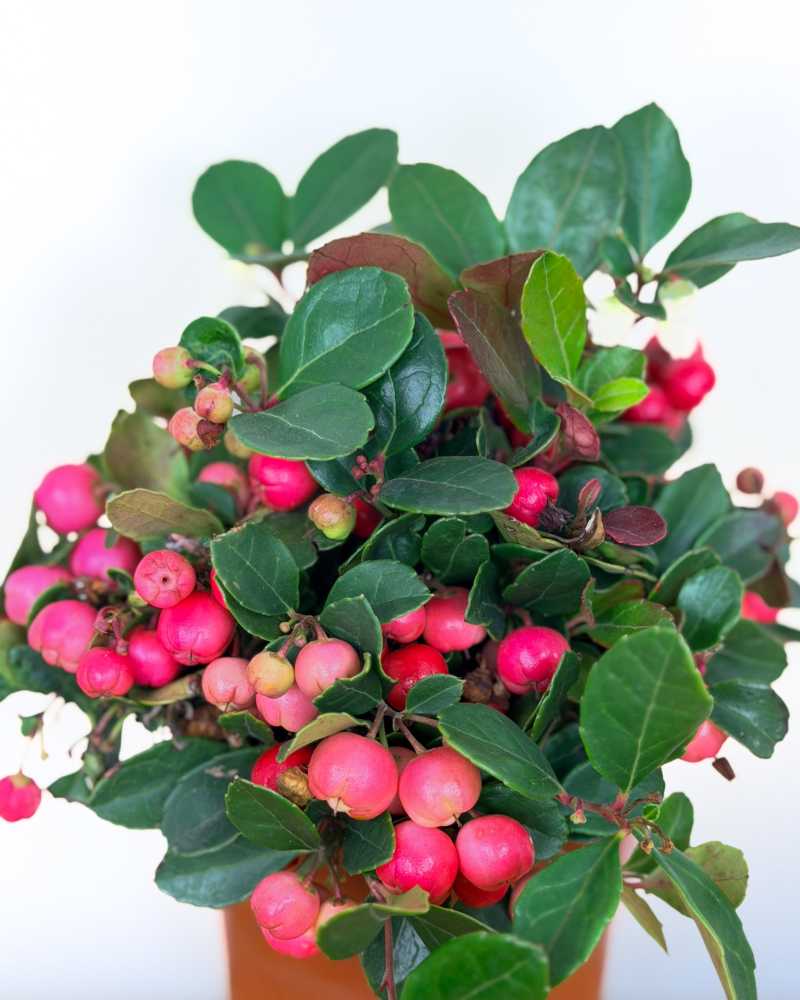
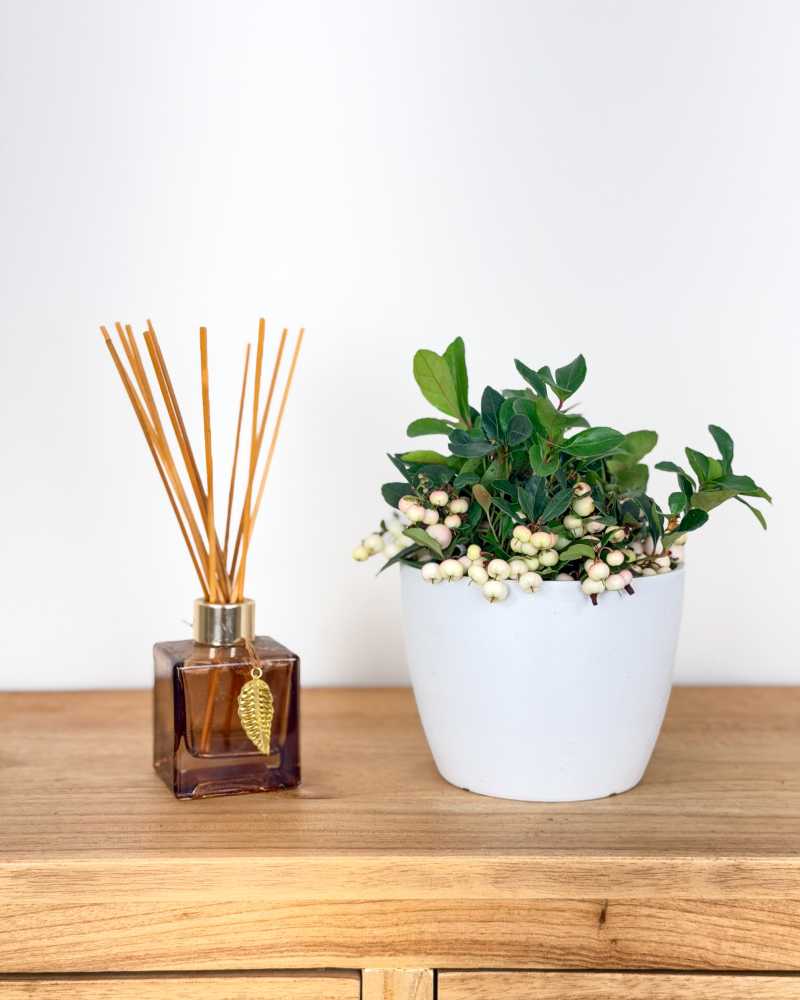
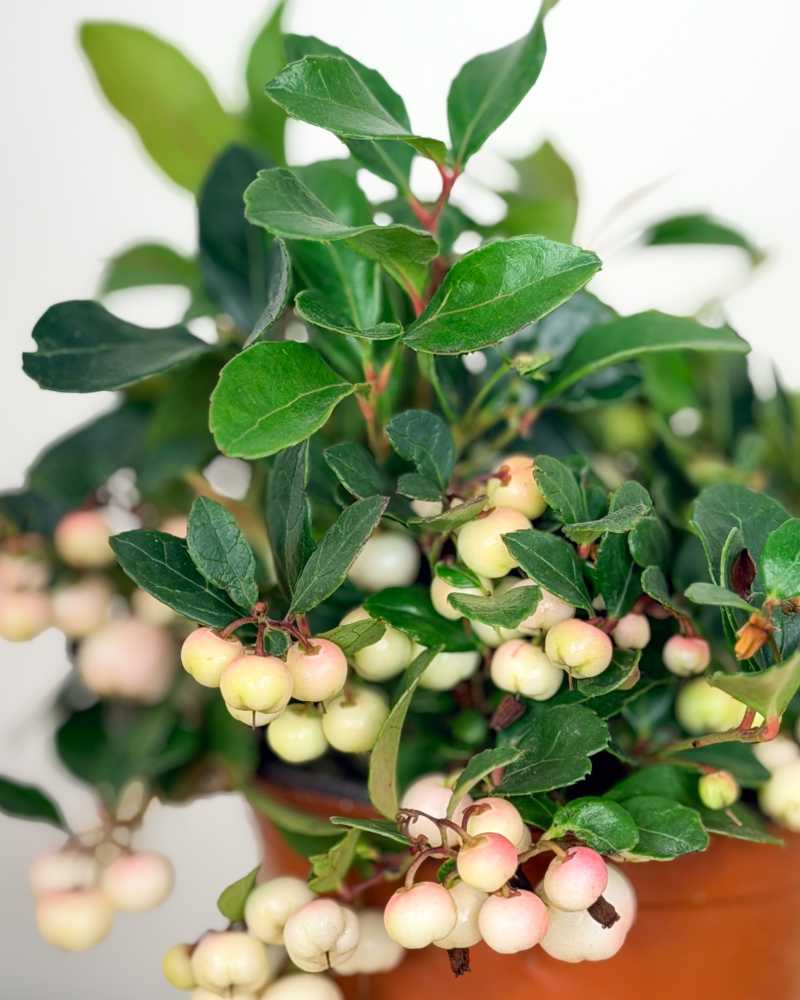
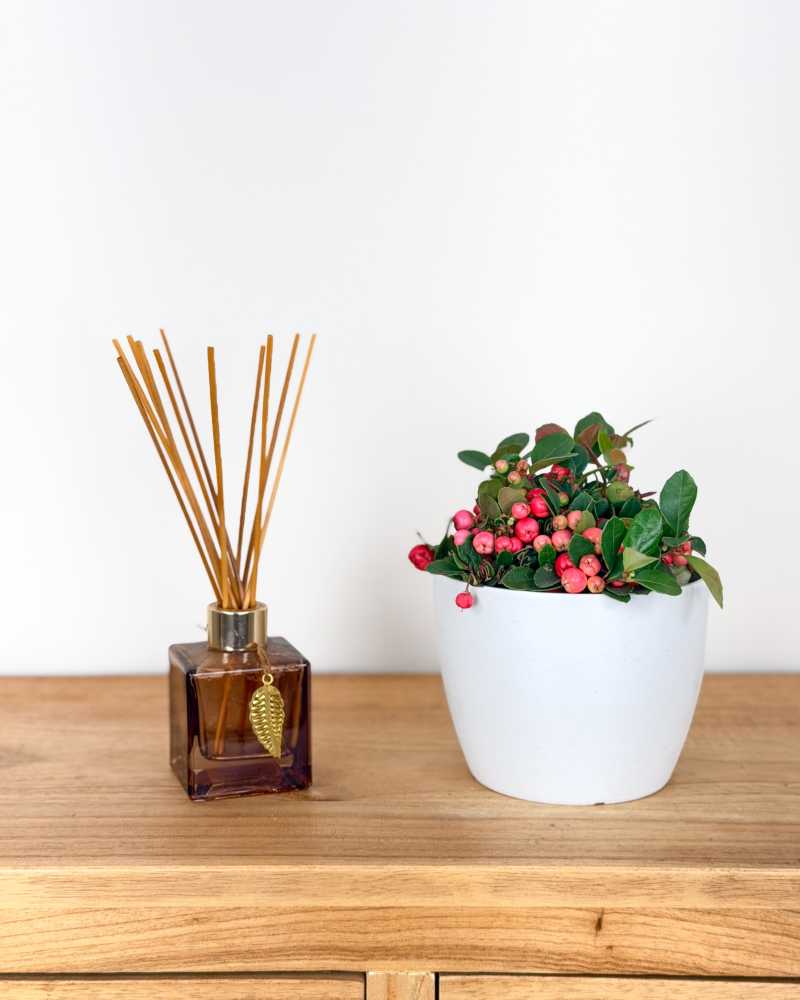
Description
Caring for your Gaultheria
Taking good care of any plant is essential to ensure it grows appropriately and thrives. You need to take care of several things, such as the amount of water you need to give the plant, the best way to propagate it, and the kind of fertilizer you need to use. Here is a complete care guide you can use.
Light
This plant prefers partial shade to dappled sunlight. It naturally grows as an understory groundcover in woodland environments, meaning it performs best when protected from intense, direct midday and afternoon sun, which can scorch its glossy foliage. A location that receives soft morning sunlight or bright, cool filtered light throughout the day will encourage both healthy leaf growth and abundant berry production.
Soil
Gaultheria is an acid-loving plant that requires rich, well-draining, and moisture-retentive soil with an acidic pH between 4.5 and 6.0. An ideal potting mix includes peat moss, decomposed pine bark, perlite, and organic compost. Avoid alkaline or heavy clay soils, as they prevent proper nutrient uptake and can cause chlorosis (yellowing of the leaves).
Water
It is vital to give your Gaultheria a balanced amount of water. This plant enjoys consistent moisture and does not tolerate drying out completely. If the soil becomes parched, the leaves will lose their luster, curl, and the decorative berries will shrivel and drop prematurely. On the other hand, standing water or poor drainage will suffocate the root system and cause rot. Keep the soil evenly moist to the touch, like a wrung-out sponge. Water thoroughly whenever the top inch of soil begins to feel slightly dry. Using rainwater or filtered water is beneficial, as high-mineral or hard tap water can raise the soil’s pH over time.
Fertilizer
The Gaultheria is a light feeder and does not demand heavy fertilization. You can apply a slow-release, acid-formulating fertilizer (such as those formulated for azaleas, rhododendrons, or camellias) once in the early spring as active growth resumes. Avoid heavy fertilizing during the late summer, fall, and winter, as excessive nutrients can damage the sensitive roots and inhibit winter berry retention.
Common Issues
If you do not take good care of your Gaultheria, it may face issues such as pest infestations and foliage disorders. Let’s look at all the common problems you must be aware of.
Pests
Aphids, thrips, and spider mites can occasionally appear, particularly if the plant is grown indoors in low-humidity environments. These pests feed on plant juices, which can cause leaf stippling, curling, and a sticky residue known as honeydew on the foliage. To treat pest issues, rinse the foliage gently with water and treat the stems and leaf undersides with insecticidal soap or organic horticultural oil.
Disease
Root rot is the most common fungal threat if Gaultheria is planted in poorly draining soil or subjected to overwatering. Ensure containers have unobstructed drainage holes to prevent soggy conditions. Additionally, fungal leaf spot and powdery mildew can occur if moisture remains trapped on the foliage for extended periods in stagnant air. Always water at the base of the plant rather than overhead, and ensure good air circulation around the container.
Pruning
This plant requires very little pruning due to its low-growing, compact habit. Simply trim away any dead, dried, or damaged stems in early spring before new growth emerges. You can also lightly trim straggly branches to encourage denser, bushier growth and maintain a tidy shape.
Propagation
You can propagate Gaultheria through stem cuttings taken in late summer or by dividing established clumps in early spring or autumn. For division, gently separate the underground creeping runners (rhizomes) ensuring each section has healthy roots and foliage attached, then pot them up in acidic, moist soil until established.