Description
Caring for your Mexican Petunia
The Mexican Petunia is a very friendly plant; you can easily grow it wherever you like. They are very tolerant to conditions such as droughts, flooding, humidity, and heat, and you can also plant them in dry areas. If you take notice of specific care tips, your plant will bloom quickly!
Light
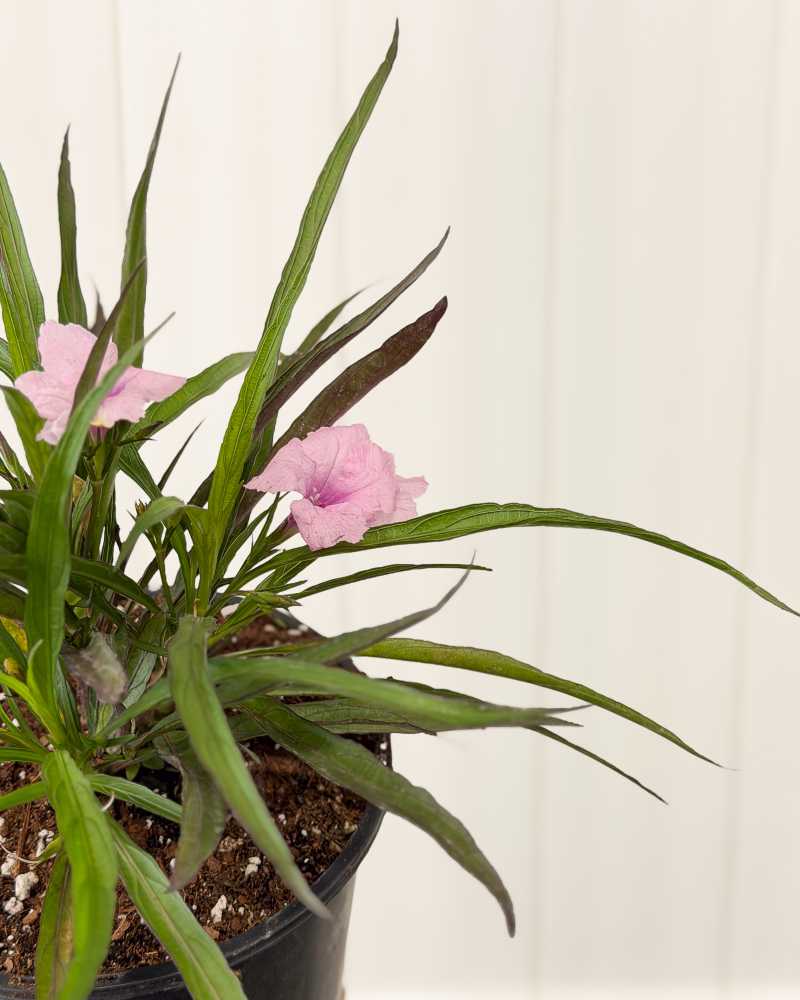
Thrives in full sun to partial shade. For the most vibrant and consistent pink blooms, direct sunlight is key. While it can grow in shaded areas, the plant will produce fewer flowers and the stems will remain green rather than taking on their characteristic darker hue.
Soil
Extremely adaptable. It handles everything from sandy to clay-rich soils. For optimal health, use a well-draining, fertile soil with a neutral to slightly acidic pH. It is one of the few plants that can tolerate “boggy” or poorly drained soil without developing root rot immediately.
Water
This plant is a survivor. It is highly drought-tolerant once established but can also handle periods of heavy rain. For the best blooming performance, keep the soil consistently moist during the growing season. If you notice the leaves wilting slightly, a quick watering will usually revive it within hours.
Fertilizer
The Dwarf Pink Petunia is a light feeder and generally does fine on its own. If you want to boost its growth in poor soil, apply a balanced, slow-release fertilizer once in early spring. Avoid over-fertilizing, as this can lead to more foliage and fewer flowers.
Common Issues
The most common “issue” isn’t a disease, but its fast growth; in ideal conditions, it can spread quickly. It is also worth noting that while it loves heat, a sudden drop in temperature can cause temporary stress, though it usually recovers quickly once the sun returns.
Pests
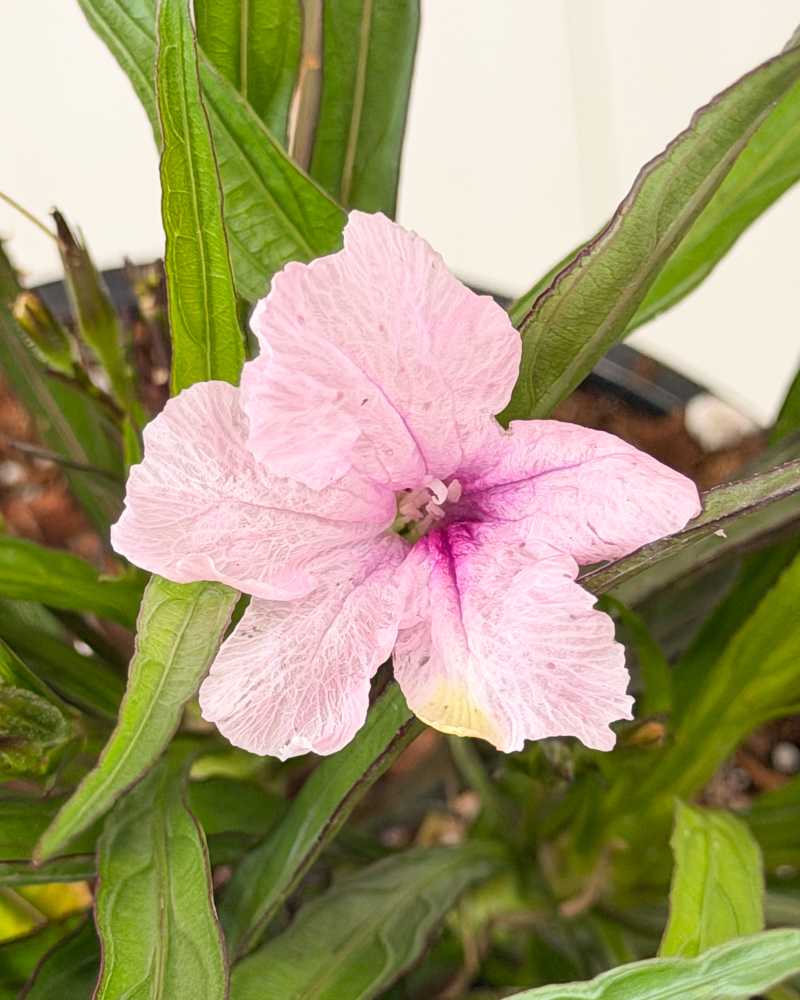
Generally pest-free. It is highly resistant to most common garden insects like aphids or mites. Instead of pests, expect to see beneficial visitors like butterflies and hummingbirds, which are naturally drawn to the pink, nectar-rich flowers.
Disease
Hard freezes may cause the foliage to brown or “die back” to the ground. If this happens, don’t worry—the roots are usually fine. Simply wait until spring and prune away the damaged stems; the plant will quickly send up fresh green growth from its base.
Pruning & Propagation
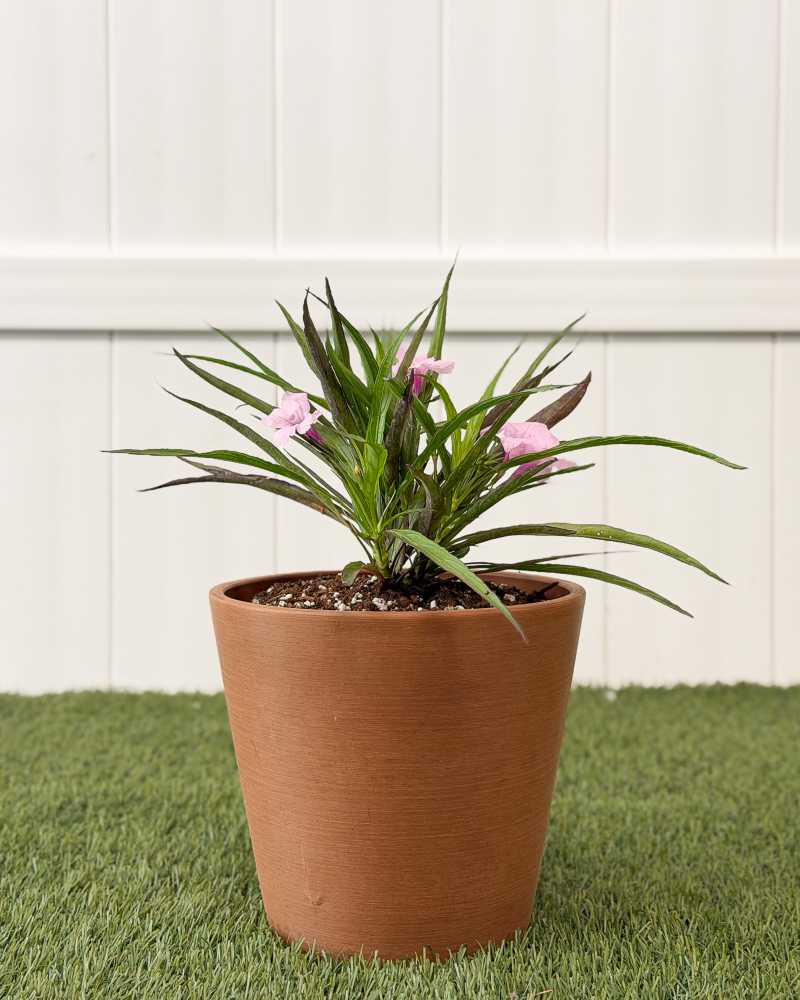
Minimal pruning is required to maintain its 6-12 inch height. You can trim back stems after a heavy flowering cycle to encourage a new flush of buds. Easily propagated through clump division or stem cuttings placed directly in moist soil.
Potting / Repotting
Ideal for containers and window boxes. Because of its rapid growth, you may need to repot it every 1-2 years. Choose a container 2 inches wider and ensure the root ball is buried at its original soil depth with fresh, well-draining potting mix.