Description
A Golden Bloom for Your Garden
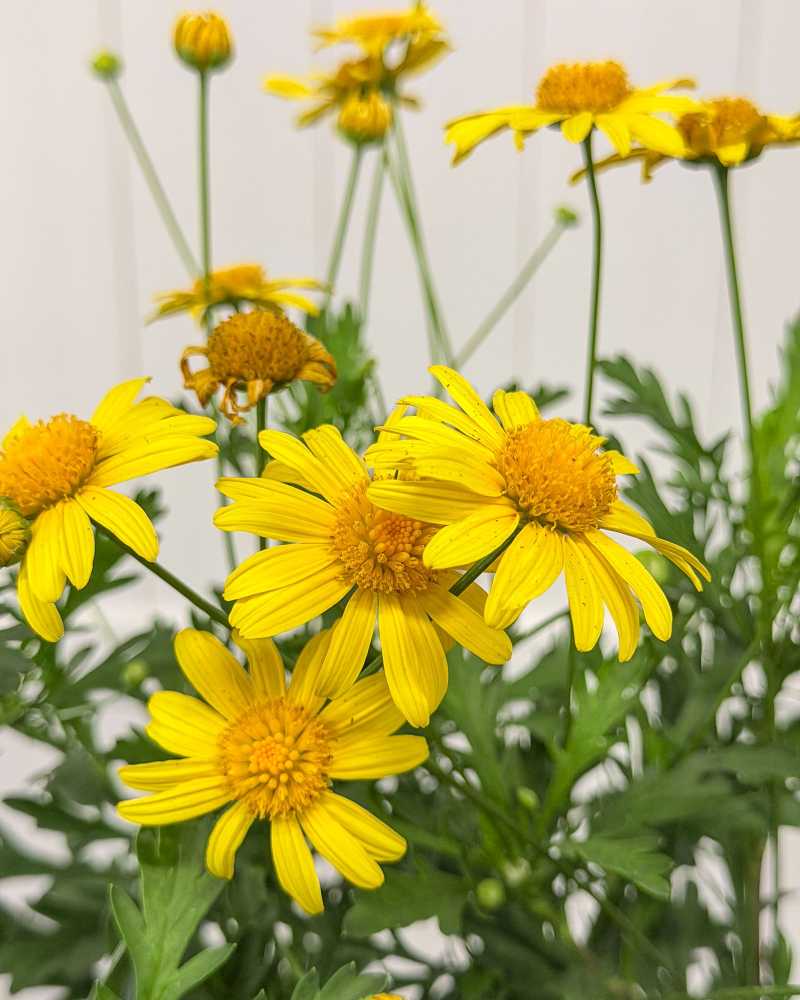
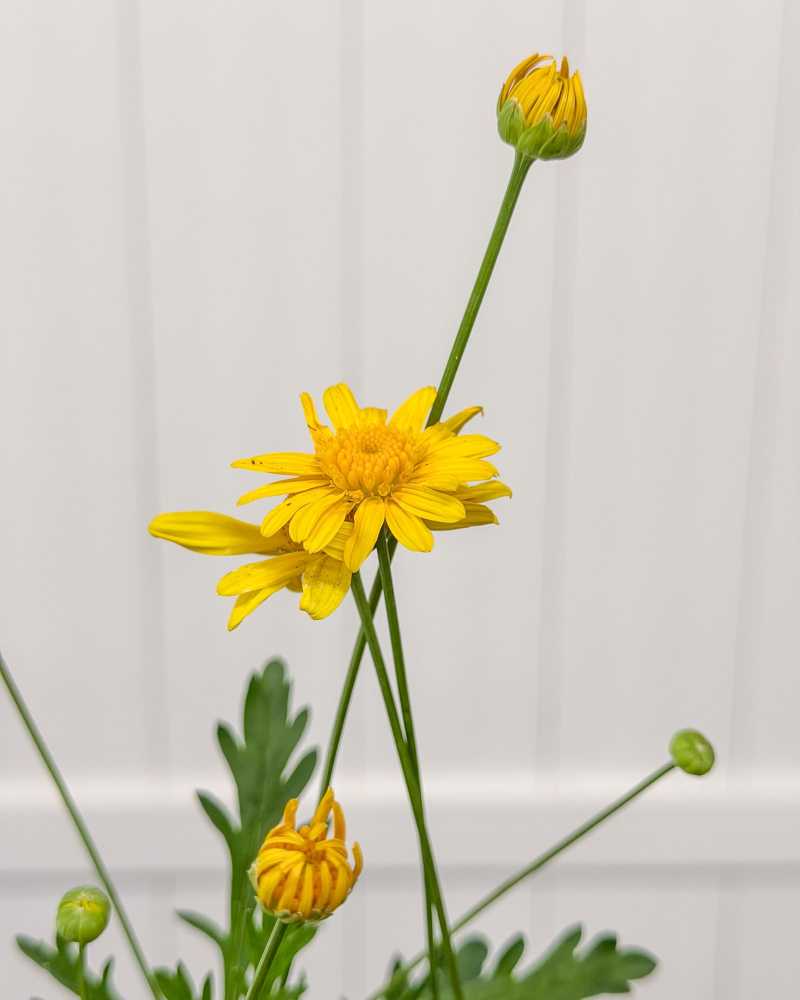
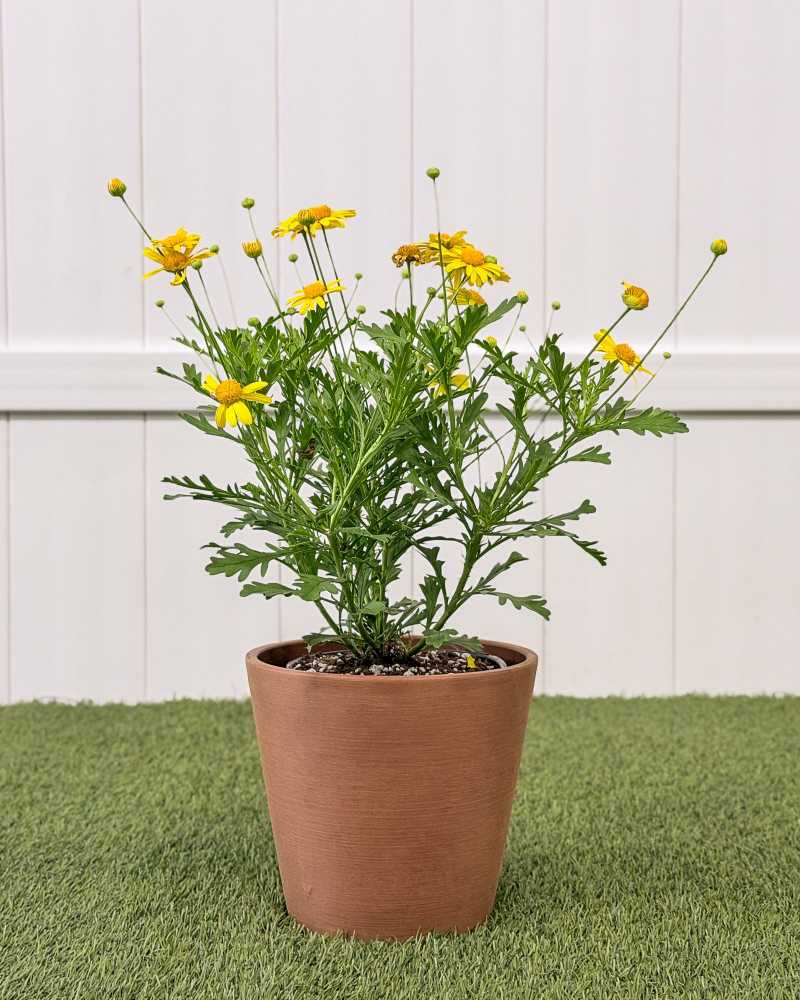
The Daisy Bush, scientifically known as Euryops pectinatus, is a vibrant evergreen shrub celebrated for its cheerful, bright yellow daisy-like flowers and its deeply lobed, grey-green foliage. Native to South Africa, this resilient plant provides a consistent splash of color throughout most of the year, making it a staple for gardeners who want high visual impact with minimal effort.
Caring for your Daisy Bush
This hardy shrub is beloved for its ability to thrive in a variety of conditions, from coastal gardens to sunny patios. Its compact, mounding habit makes it perfect for borders, containers, or as a vibrant hedge. Beyond its aesthetic appeal, the Daisy Bush is a magnet for pollinators, attracting bees and butterflies that bring life and movement to your outdoor space. It is a tough, sun-loving plant that maintains its lush look even in warmer climates.
Light
Daisy Bush is a sun-worshipper. To achieve the best blooming results, it should be planted in full sun, receiving at least six to eight hours of direct sunlight daily. While it can tolerate very light partial shade, a lack of sun will lead to leggy growth and significantly fewer yellow blooms.
Soil
This plant is quite adaptable but performs best in well-drained soil. Like many Mediterranean-style shrubs, it does not like “wet feet.” If your soil is heavy or clay-based, consider adding organic matter or compost to improve drainage. It also performs exceptionally well in large pots or raised beds where drainage is easier to control.
Water
While the Daisy Bush is relatively drought-tolerant once established, it prefers a consistent watering schedule to keep its foliage lush and flowers blooming. Water it when the top inch of soil feels dry to the touch. During the heat of summer, it may require more frequent watering, but always ensure the soil is not waterlogged, as this can lead to root issues.
Fertilizer
To keep the blooms coming, apply a balanced, slow-release fertilizer in the early spring. You can also use a liquid fertilizer once a month during the peak growing season (spring and summer). Avoid over-fertilizing, as too much nitrogen will promote leaf growth at the expense of its iconic yellow flowers.
Pruning
Pruning is essential to keep your Daisy Bush looking neat and to encourage a new flush of flowers. “Deadheading” (removing spent blooms) will keep the plant looking tidy and stimulate continuous flowering. A more significant pruning can be done in late autumn or early spring to maintain its rounded shape and prevent the base from becoming too woody or sparse.
Pests and Diseases
Daisy Bush is generally a low-maintenance and pest-resistant plant. However, like many garden shrubs, it can occasionally be visited by aphids or snails. These can usually be managed with a quick spray of water or an organic insecticidal soap. The most common issue is root rot caused by overwatering or poor drainage; ensuring your soil allows water to flow through freely is the best way to keep your plant healthy.
Growth & Soil
Daisy Bush typically grows 3 to 4 feet tall with a similar mounding spread. It thrives in well-drained soil and is particularly well-suited for coastal or Mediterranean climates, standing up beautifully to wind and heat where more delicate bloomers might struggle.