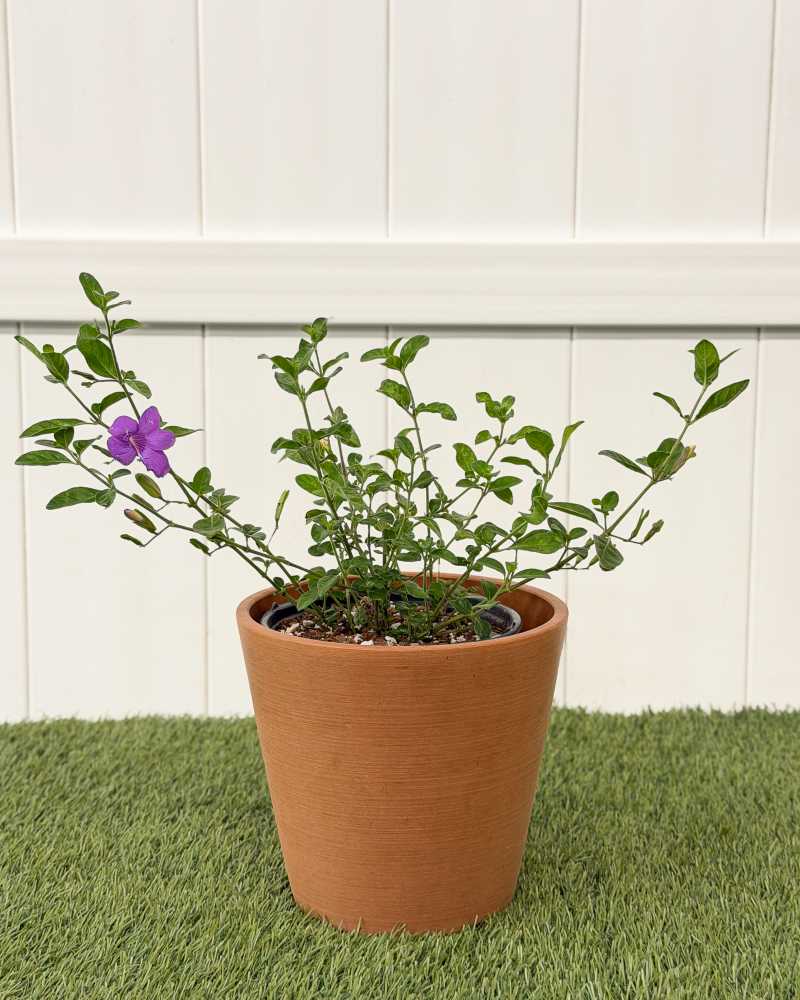
Description
Caring for your Coral Creeper Purple
Light
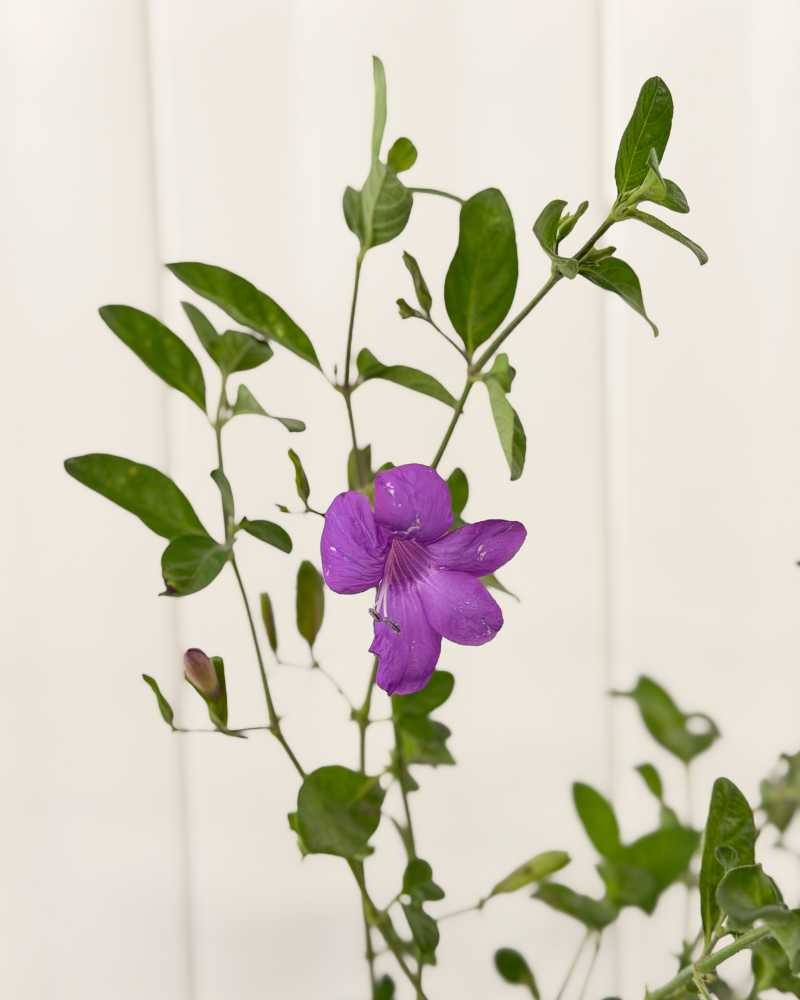
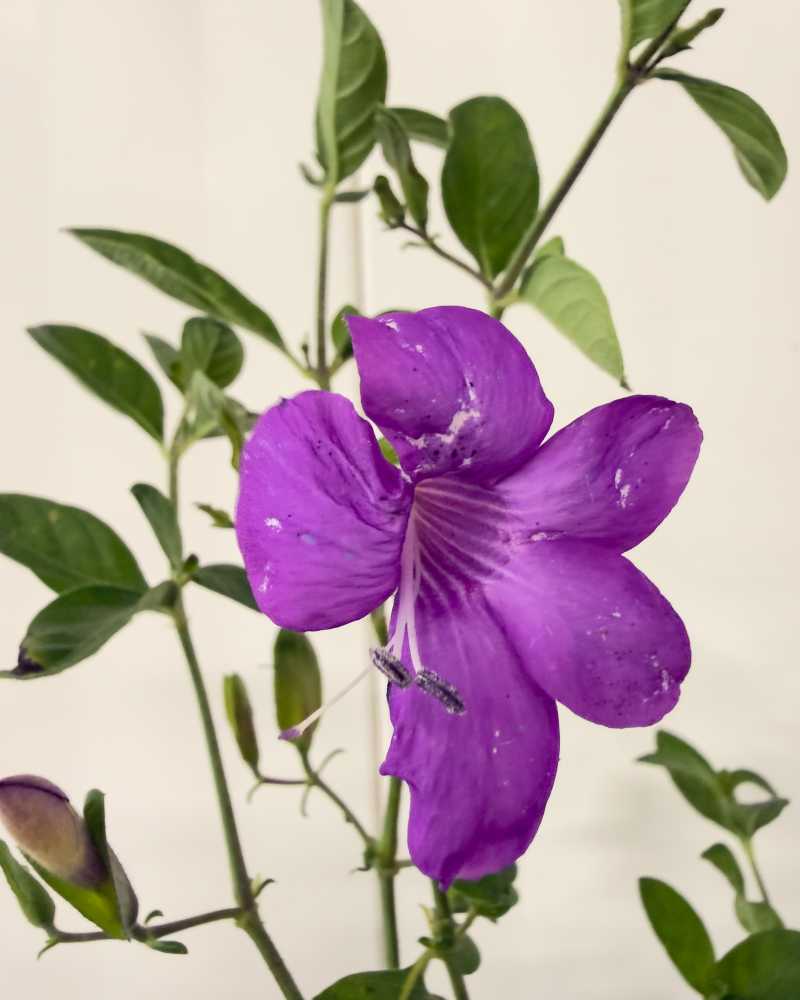
The Coral Creeper Purple loves a bright environment and thrives best in full sun to partial shade. To encourage a dense carpet of rich purple blooms and tight, compact foliage, aim for plenty of bright, filtered sunlight or morning sun daily. While it can adapt to shadier conditions, its growth will become leggy and it will produce significantly fewer flowers.
Soil
This tropical creeper isn’t overly fussy about soil types, but it absolutely insists on excellent drainage. It grows beautifully in a loose, fertile potting mix rich in organic matter. A premium blend of high-quality indoor potting soil mixed with a generous handful of perlite or orchid bark is ideal to keep the root zone well-aerated and prevent water from pooling.
Water
Water thoroughly whenever the top 1 to 2 inches of the soil feel dry to the touch. The Coral Creeper Purple enjoys consistent moisture during the peak spring and summer growing seasons, but it is surprisingly drought-tolerant once established. Always allow the excess water to drain completely out of the bottom of the pot to protect its roots.
Fertilizer
To keep its vibrant purple floral display going strong all season long, feed your plant every 4 weeks during spring and summer. Use a balanced, water-soluble liquid indoor plant fertilizer diluted to half-strength. Reduce feeding completely during the late fall and winter months when the plant naturally slows down its growth.
Common Issues
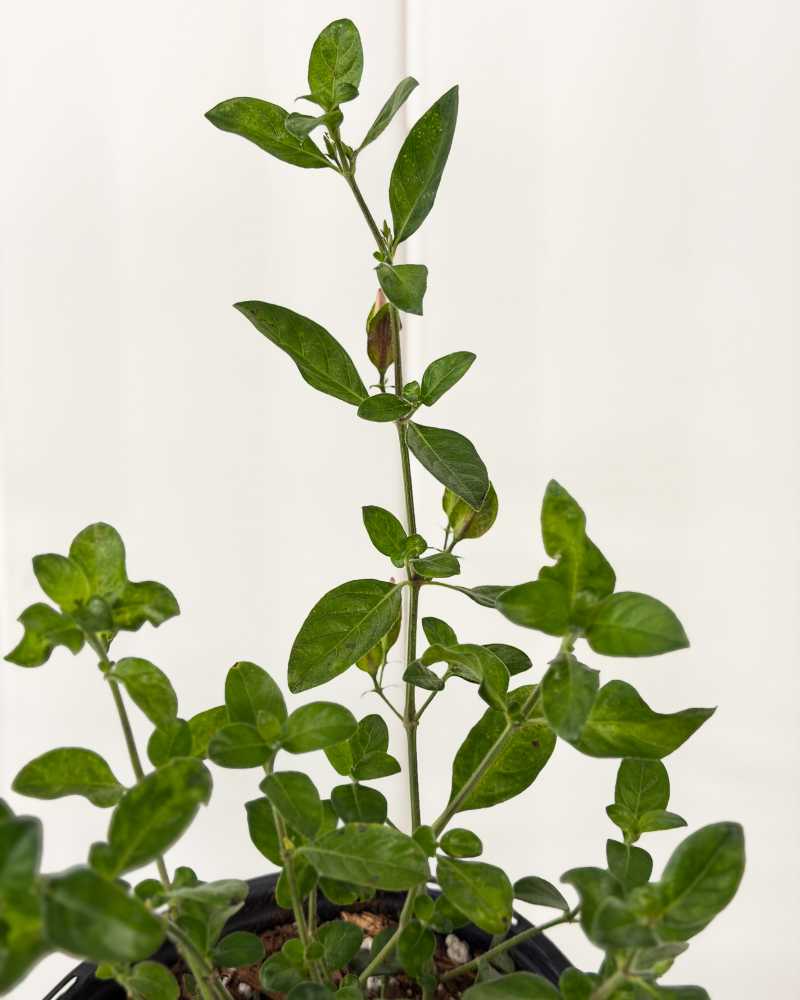
The most frequent issue is a lack of flowers combined with long, thin, “stretched-out” stems. This is a clear indicator that your Coral Creeper isn’t receiving enough light and needs to be moved to a brighter spot. If the leaves start looking pale or yellow, it is typically a sign of nutritional deficiency or minor overwatering.
Pests
While naturally robust and highly pest-resistant, the dense, low-growing foliage can occasionally host common sap-suckers like aphids, spider mites, or whiteflies. Inspect the undersides of the glossy leaves routinely. If any pests are spotted, spray the plant gently with organic neem oil or a mild insecticidal soap.
Disease
The biggest threat to this plant is root rot, brought on by overwatering or leaving the pot sitting in a water-logged saucer. It can also occasionally experience fungal leaf spot if the foliage stays wet overnight in stagnant air. Always water at the base of the plant and ensure good ventilation around its trailing stems.
Pruning
Pruning is highly recommended and actively enjoyed by this plant! Because of its natural instinct to creep and scramble, it can quickly outgrow its space. Use sharp, sanitized shears to pinch back the tips of growing stems regularly; this forces the plant to branch out, resulting in a much bushier shape and double the amount of purple blossoms.
Potting / Repotting
Thanks to its fast-growing nature, the Coral Creeper Purple generally benefits from being repotted every 1 to 2 years in early spring. If you are growing it in a hanging basket or decorative pot, move it up to a container that is 2 inches wider to give its roots room to expand, filling it with a fresh, nutrient-rich soil mix. Always ensure the new container has functional drainage holes.