Description
Caring for your Musical Notes Plant
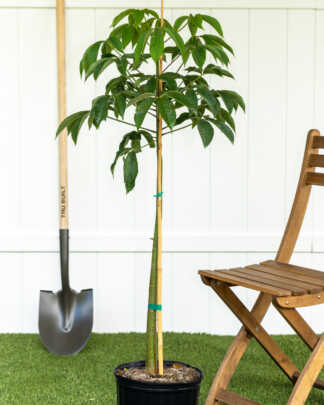
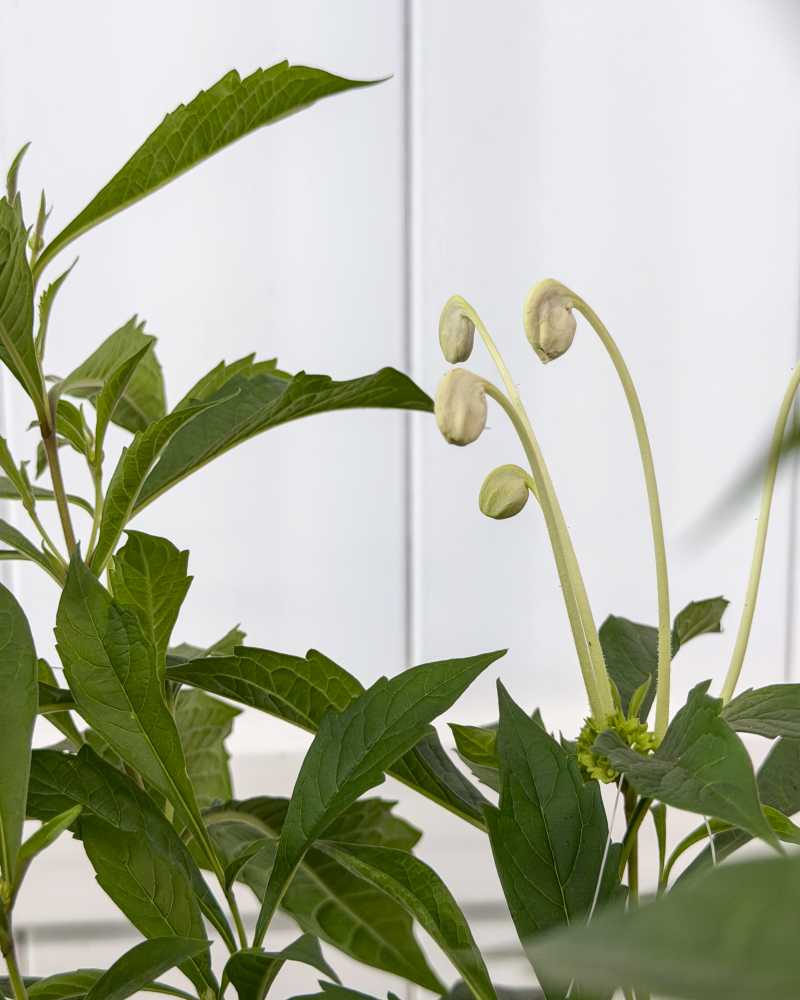
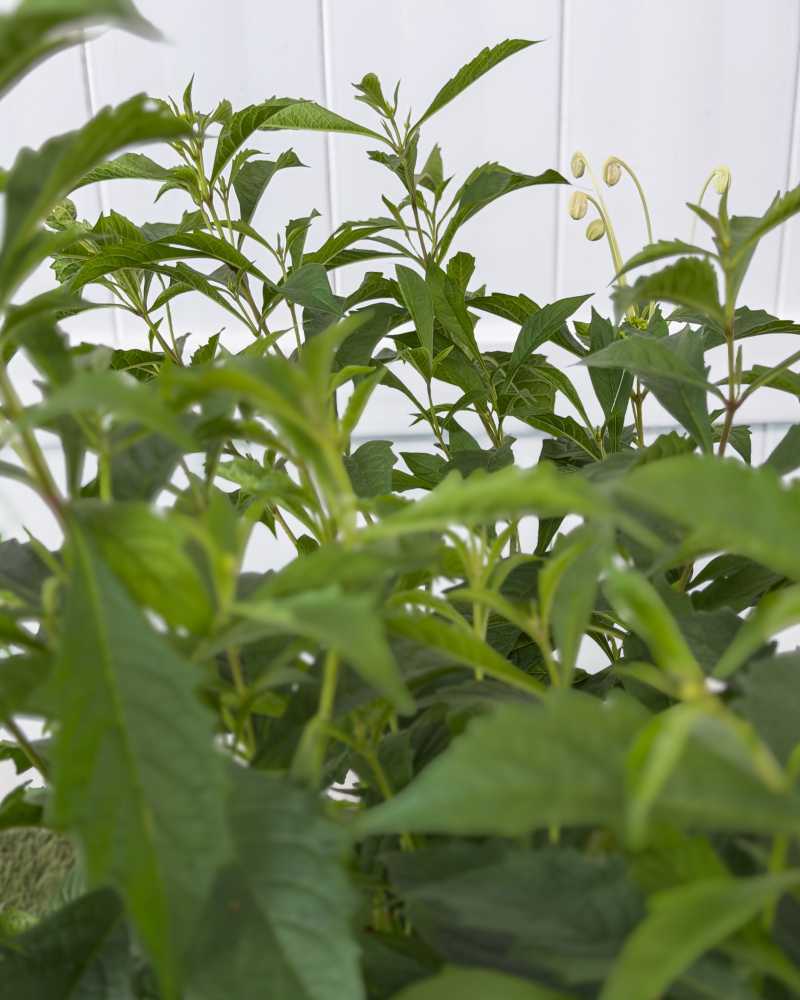
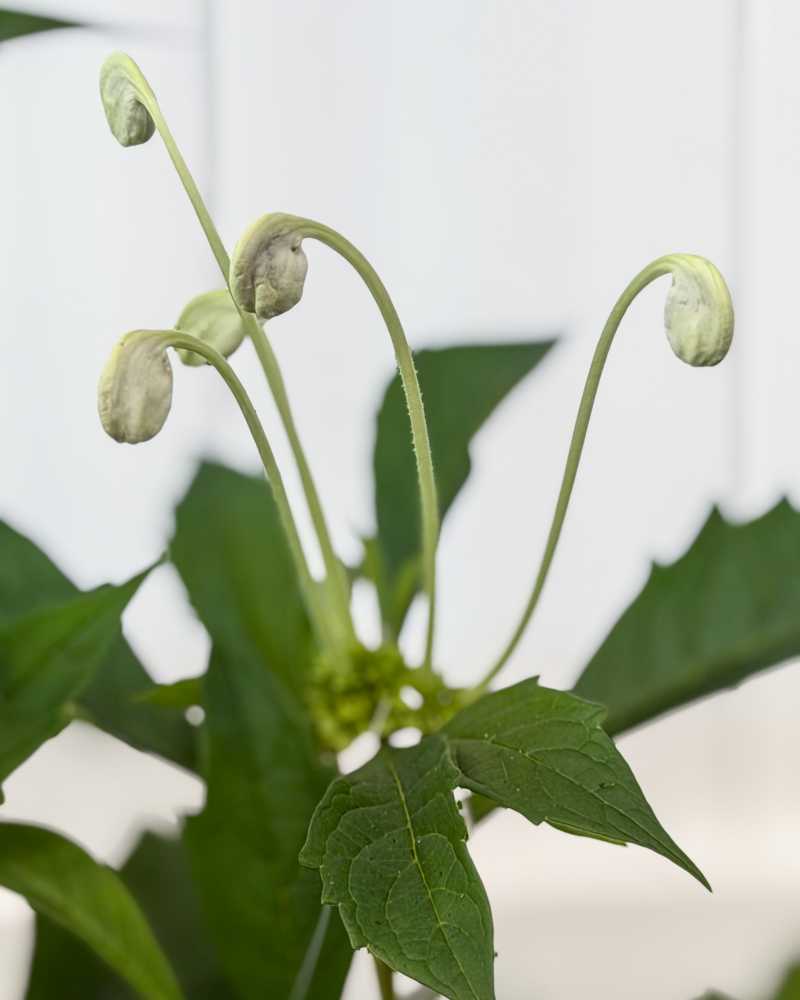
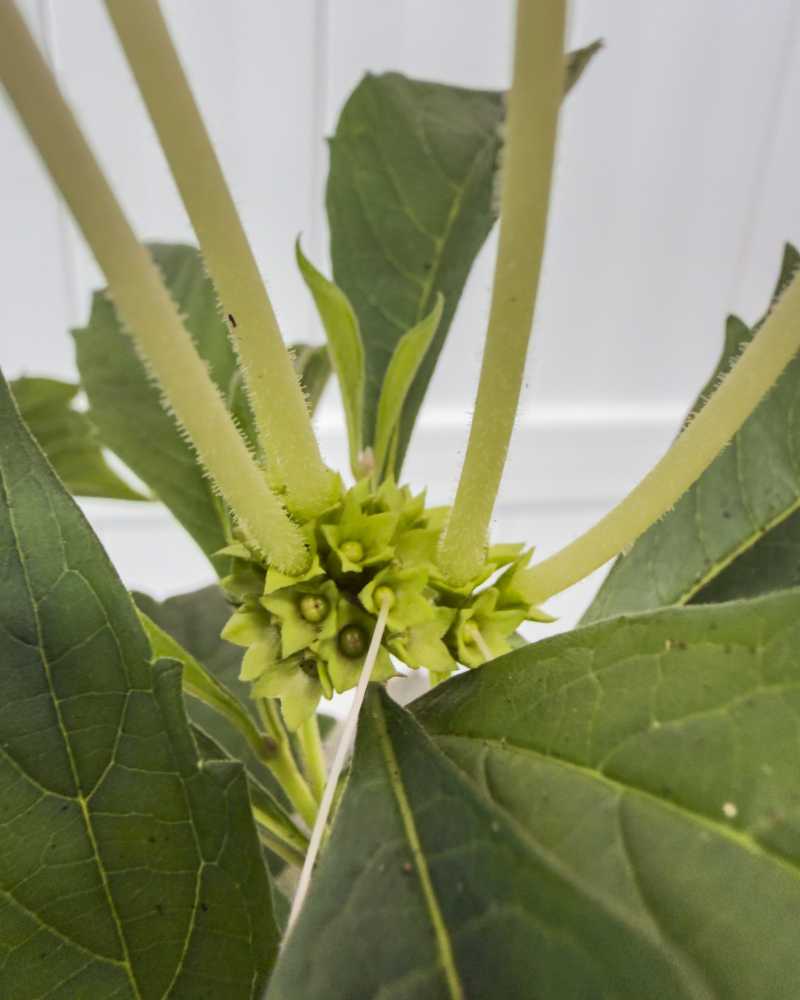
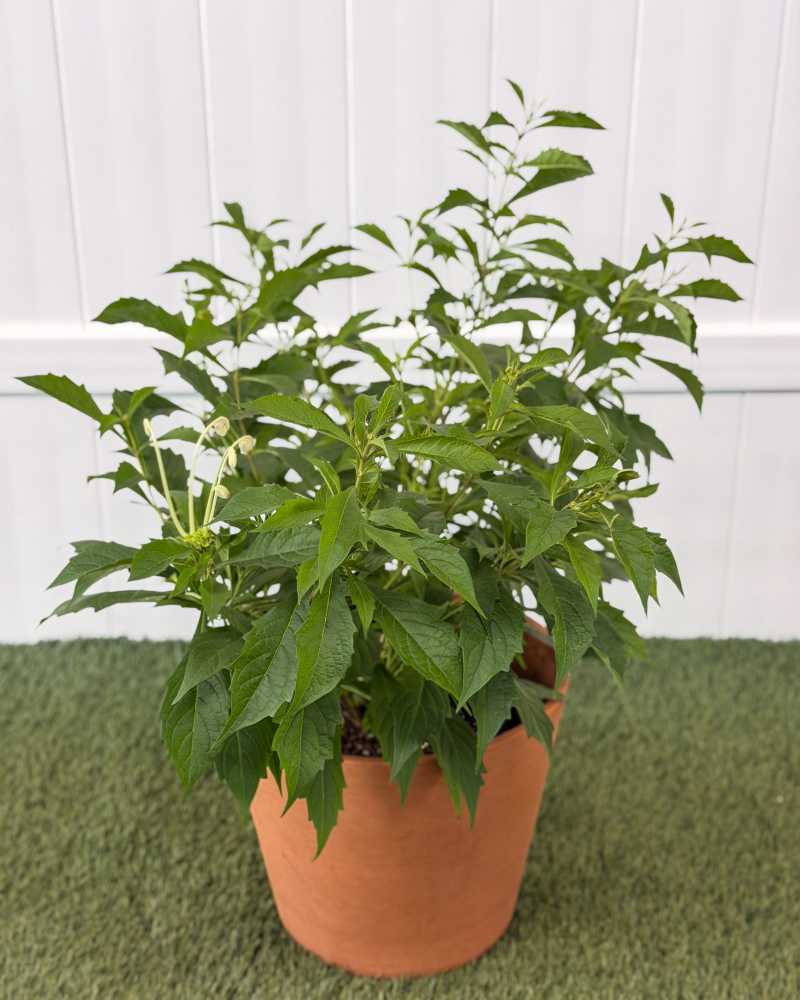
Clerodendrum incisum, commonly known as the Musical Notes Plant, Morning Kiss, or Witch’s Tongue, is a captivating tropical shrub in the family Lamiaceae. Native to tropical Africa, this plant is renowned for its whimsical flower buds that closely resemble white musical notes before opening into starry, pure-white blooms with long, elegant red stamens. With its compact, upright growth habit and lush green foliage, it makes an extraordinary accent for patio containers, warm-climate garden beds, or sunny borders.
Light
Musical Notes Plant thrives in full sun to partial shade. It performs best with at least 4 to 6 hours of direct sunlight daily to encourage heavy blooming. In extremely hot summer climates, light afternoon shade helps protect the foliage from leaf scorch.
Soil
Rich, well-draining soil high in organic matter is ideal, with a slightly acidic to neutral pH (6.0 to 7.0). Proper drainage is essential to prevent root issues, whether grown in the ground or in pots. If using containers, ensure they have adequate drainage holes and a lightweight, quality potting mix.
Water
Keep the soil consistently moist but never waterlogged. Water deeply whenever the top inch of soil feels dry, typically once or twice a week depending on weather conditions. Reduce watering during the winter months when the plant enters a slower growth phase. Container plants dry out faster than garden beds and may require more frequent moisture during peak heat.
Fertilizing
Feed with a balanced, slow-release fertilizer (such as 10-10-10) or a phosphorus-rich bloom booster during the active growing season in spring and summer. Apply every 4-6 weeks to support continuous flowering. Suspend or drastically reduce fertilizing in late fall and winter.
Pruning and Maintenance
Light pruning after blooming cycles helps maintain a tidy, bushy shape and encourages new stems, which are where future flower buds form. Pinching the stem tips on young plants encourages fuller, denser growth. Remove dead, damaged, or weak stems throughout the year to maintain overall plant vigor.
Pest and Disease Management
Watch for common pests such as aphids, spider mites, mealybugs, and whiteflies. Treat any infestations promptly with insecticidal soap or neem oil. To prevent fungal leaf spot and root rot, ensure good air circulation around the foliage and avoid overwatering or letting the roots sit in stagnant water.