Description
Caring for your Carnosa Tricolor Exotica
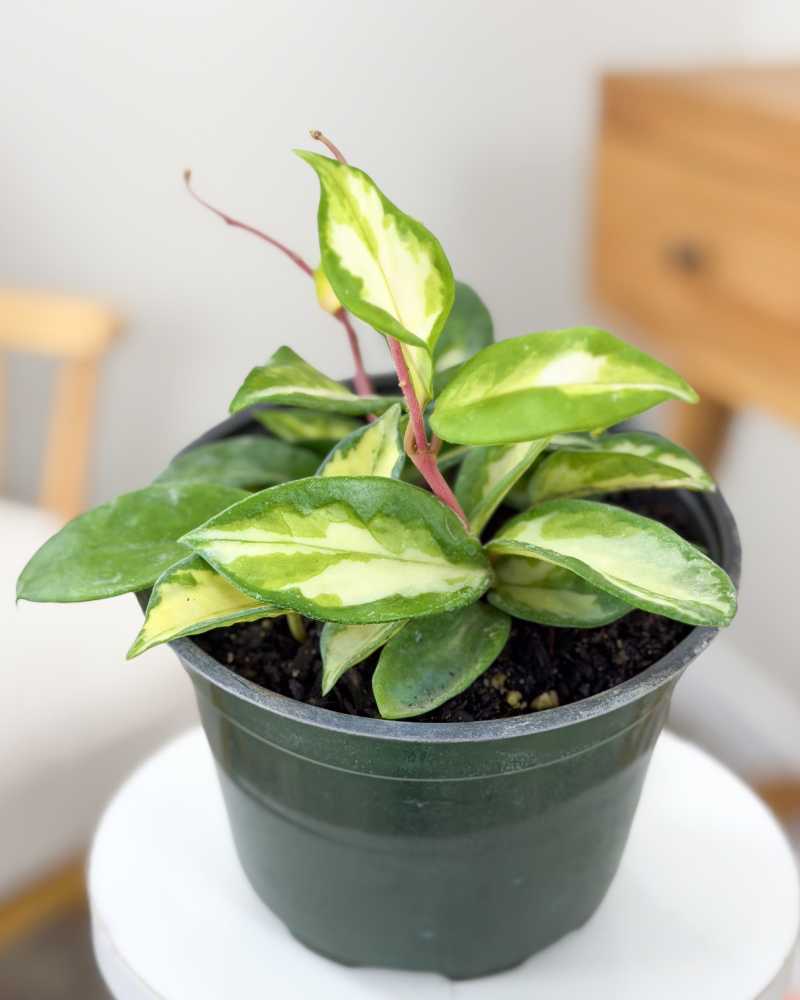
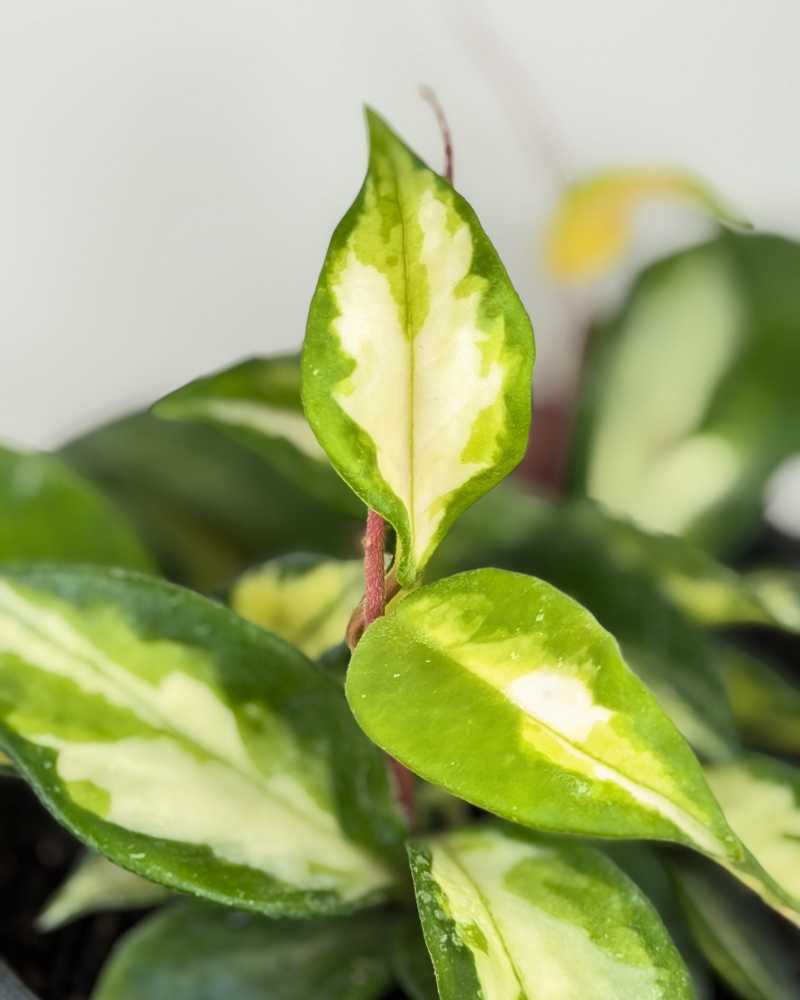
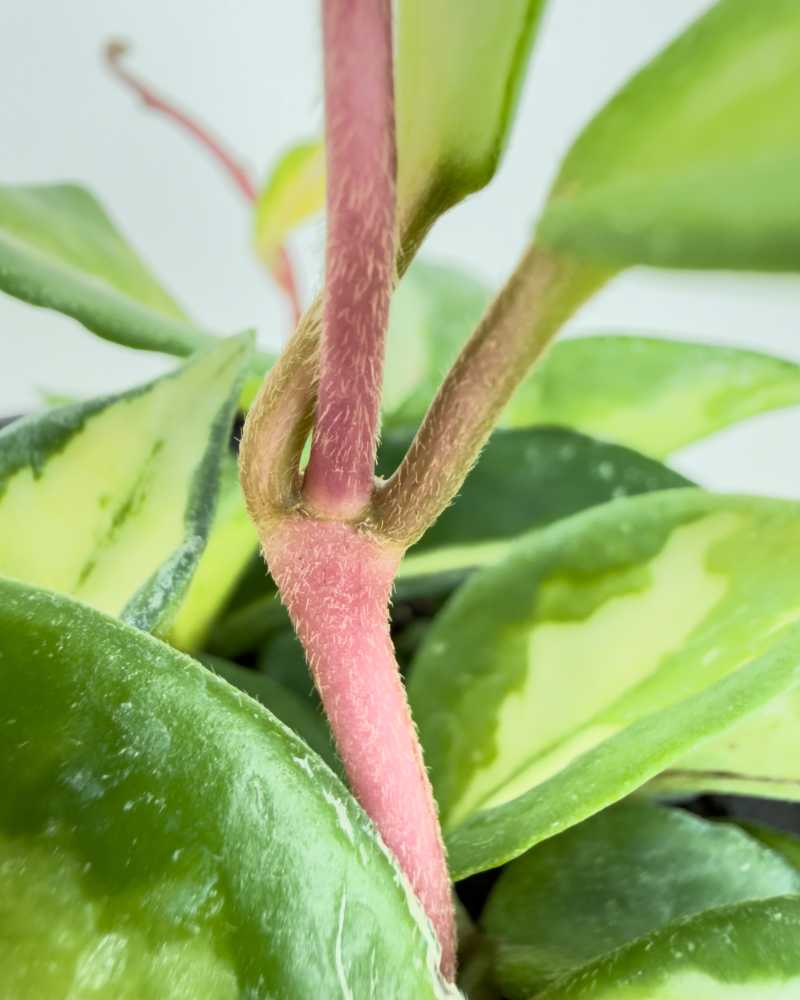
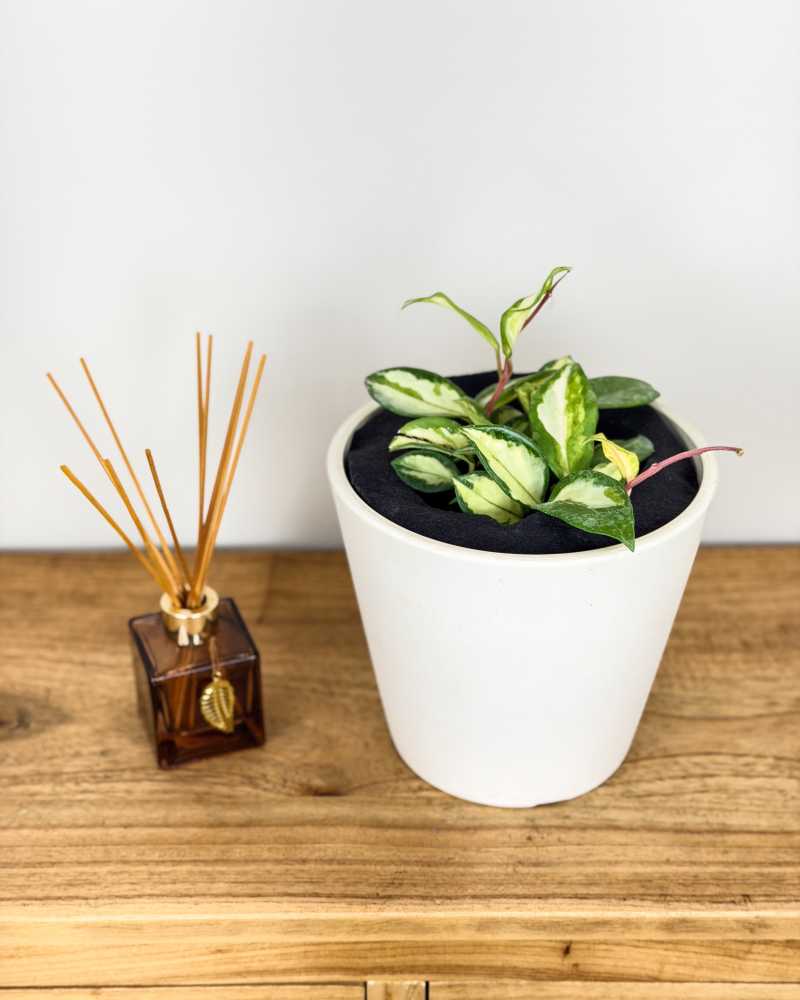
With its thick, waxy foliage featuring creamy-yellow centers, green borders, and striking splashes of hot pink, the Carnosa Tricolor Exotica is a stunning, low-maintenance vine. Giving it bright indirect light, a chunky soil mix, and allowing it to dry out between waterings will reward you with lush, trailing growth and sweet-scented, star-shaped flower clusters. Whether cascading from a hanging planter or training up a trellis, this resilient semi-succulent brings vibrant color and timeless elegance to any indoor garden.
Light
Carnosa Tricolor Exotica thrives in bright, indirect sunlight. Generous light is key to maintaining its bright central variegation and encouraging vibrant pink new growth. Gentle morning sun enhances the pink and ruby hues, but avoid intense, direct afternoon light, which can scorch the thick leaves.
Soil
A chunky, sharply draining potting mix is essential to keep the roots healthy and rot-free. Because Hoyas are epiphytic in nature, use an orchid bark-based substrate mixed with perlite, coconut coir, and pumice to ensure maximum aeration and rapid drainage.
Water
Treat this plant like a semi-succulent. Water thoroughly only when the soil has almost completely dried out and the lower leaves feel slightly soft to a gentle squeeze. Always empty the drainage tray after watering. Reduce watering significantly during the fall and winter months when growth naturally slows down.
Humidity & Temperature
This plant loves warm temperatures between 65°F and 85°F (18°C to 29°C). While it handles average home humidity quite well, elevated humidity levels (50% or higher) will boost leaf size and flower production. Protect it from cold window drafts and temperatures below 55°F (13°C).
Fertilizing
Feed monthly throughout spring and summer using a balanced liquid houseplant or orchid fertilizer diluted to half-strength. To encourage blooming on mature plants, a fertilizer higher in phosphorus can be used. Do not fertilize during the fall and winter dormant period.
Pruning and Maintenance
Pruning is rarely required except to control long, leafless vines or encourage bushier growth. Important: Never cut off the bare flower spurs (peduncles), as new bloom clusters will continue to re-emerge from those exact spots year after year.
Pest and Disease Management
Inspect the leaves and stem joints regularly for common pests like mealybugs and scale. Treat any signs of pests early with insecticidal soap or neem oil. Prevent fungal root rot by using a lightweight soil mix and avoiding overwatering.
Propagation
Propagation is easily done using stem cuttings with at least 1–2 nodes and healthy leaves. Root the cutting in moist sphagnum moss, perlite, or water in a warm, brightly lit area until a healthy root system develops in 3 to 6 weeks.