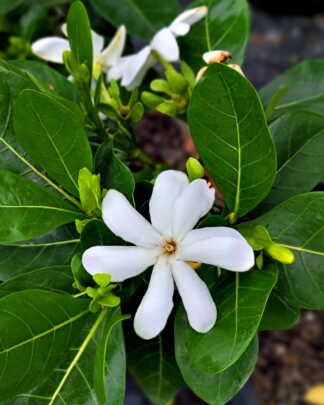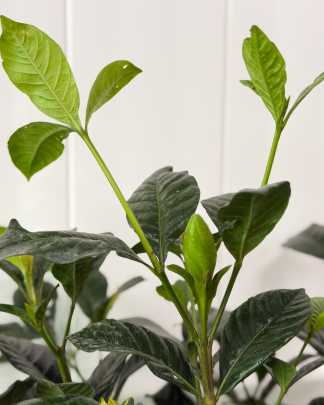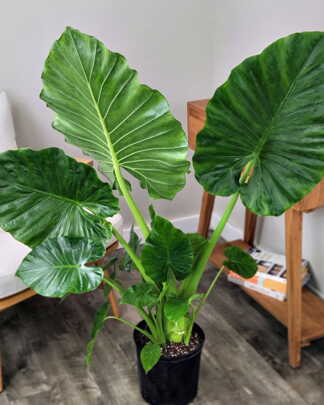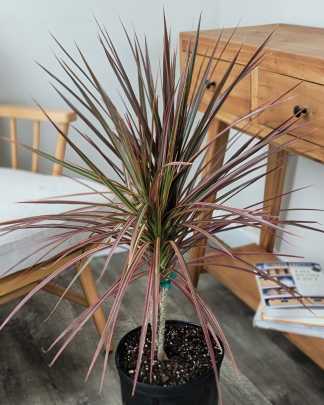
Description
Caring for your Bromeliad Odorata
Light
This bromeliad thrives in bright, indirect sunlight. It loves plenty of filtered light to maintain its structural form and encourage its fragrant blooming cycle. Avoid harsh, direct afternoon sun, which can easily scorch its smooth leaves. A spot near a bright east- or west-facing window is perfect for indoor care.
Soil
Like most epiphytic bromeliads, the Odorata requires an incredibly loose, airy, and sharply draining medium. Never use heavy everyday potting soil. A premium mix of orchid bark, perlite, and coarse peat moss is ideal to ensure the roots get plenty of oxygen and moisture never traps around the base.
Water
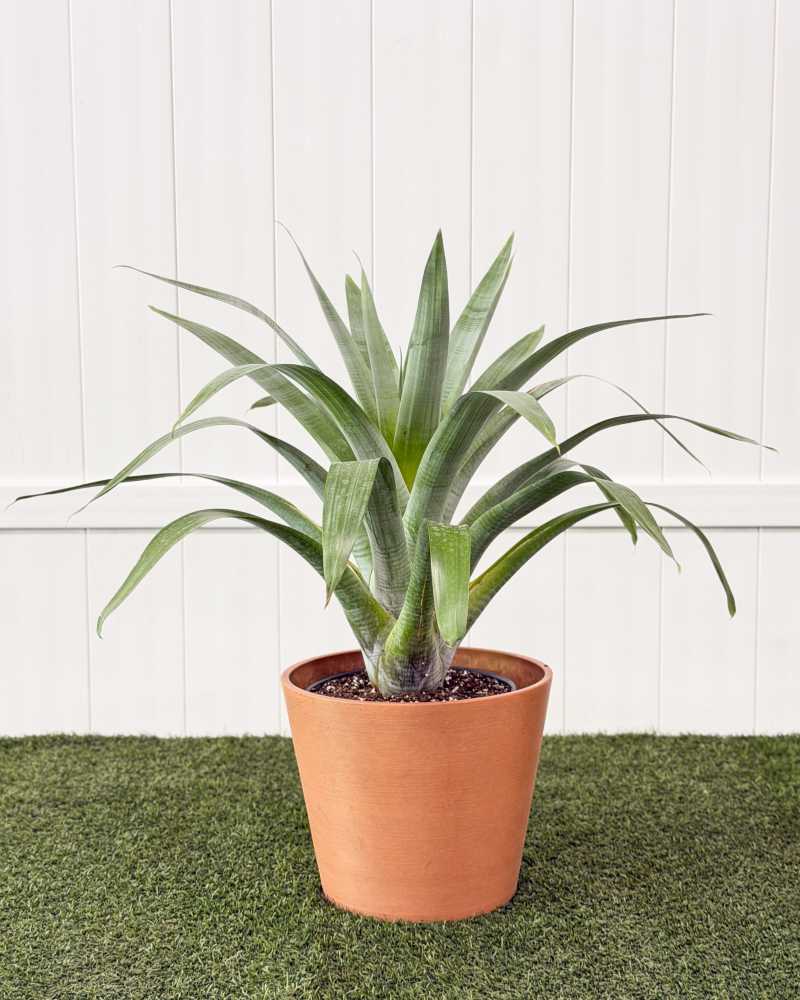
This plant drinks through its central rosette or “cup.” Keep the central cup filled with clean water (preferably distilled, reverse osmosis, or rainwater) at all times, flushing it out once a week to prevent stagnation. Keep the potting soil only slightly damp, allowing the top couple of inches to dry out entirely between light waterings.
Fertilizer
The Bromeliad Odorata is a light feeder. During the active growing season (spring and summer), you can apply a balanced liquid fertilizer diluted to 1/4 strength directly into the central cup or mist it onto the leaves once a month. Avoid fertilizing in the winter.
Common Issues
A common mistake is letting the water in the central cup become stagnant for too long, which can lead to bacterial issues and a foul odor. Simply tip the plant over or flush it thoroughly with fresh water weekly. Also, keep in mind that like all bromeliads, the main plant will slowly decline after its long flowering cycle—but it will reward you by producing several “pups” (offshoots) at the base to carry on its legacy!
Pests
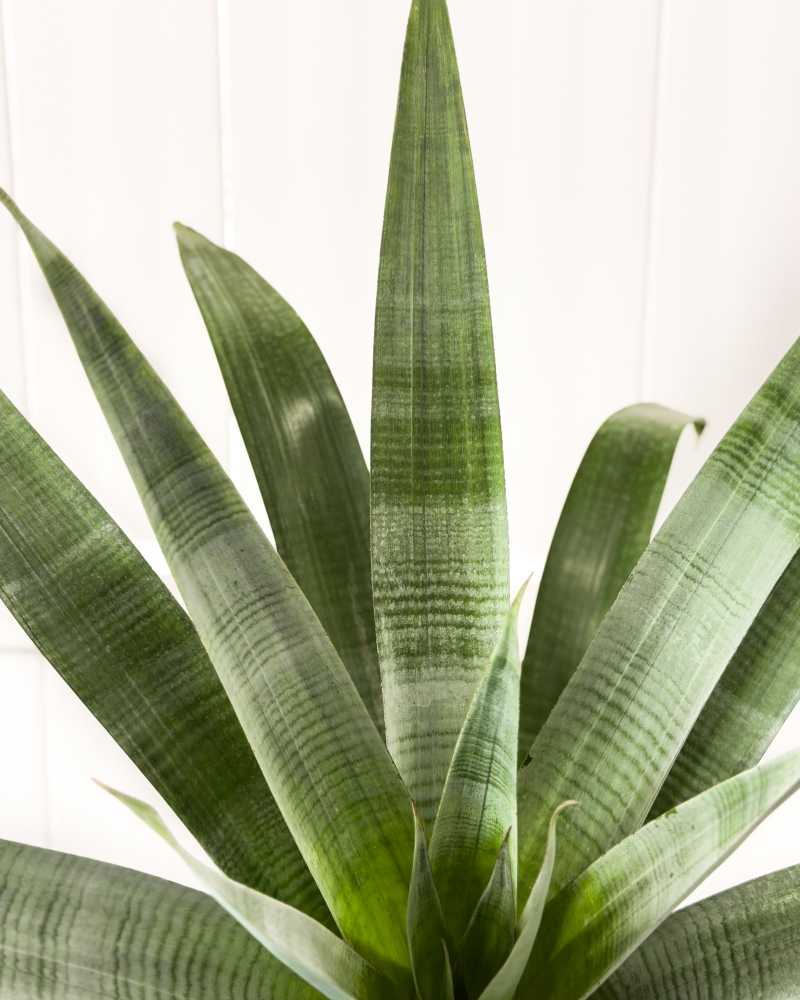
This bromeliad is highly pest-resistant due to its tough leaf structure. Occasionally, mealybugs or scale may try to hide deep inside the lower leaf crevices. If spotted, safely remove them using a cotton swab dipped in rubbing alcohol or treat the plant with organic neem oil.
Disease
The primary threat to the Odorata is root rot or crown rot, almost always caused by overwatering the soil or using a heavy mix that doesn’t drain. Always ensure your pot has excellent drainage holes and that the soil remains airy.
Pruning
Pruning requirements are minimal. Use sharp, sanitized shears to cleanly snip away the flower spike once it completely fades and turns brown at the end of its life cycle. You can also trim away any older, yellowing bottom leaves to keep the rosette looking pristine.
Potting / Repotting
Because its root system is primarily used for anchoring rather than nutrient absorption, the Bromeliad Odorata does not require a massive pot. Use a stable, well-draining container that supports its top-heavy rosette. Repotting is rarely needed unless you are separating mature pups from the mother plant in the spring.