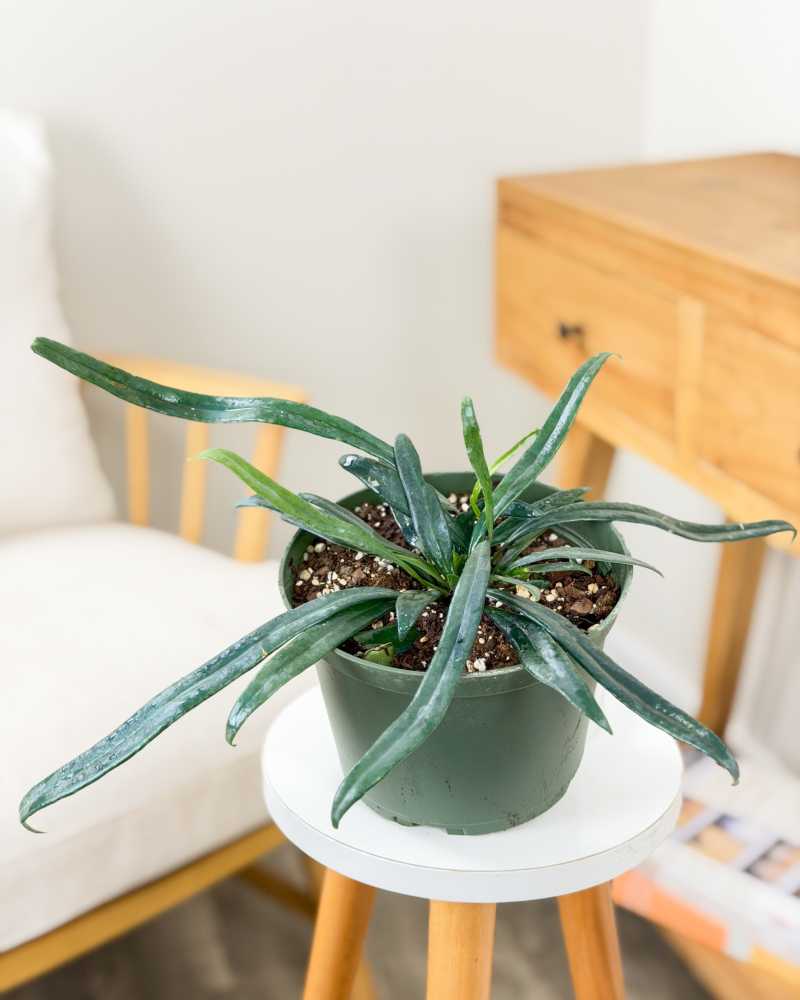
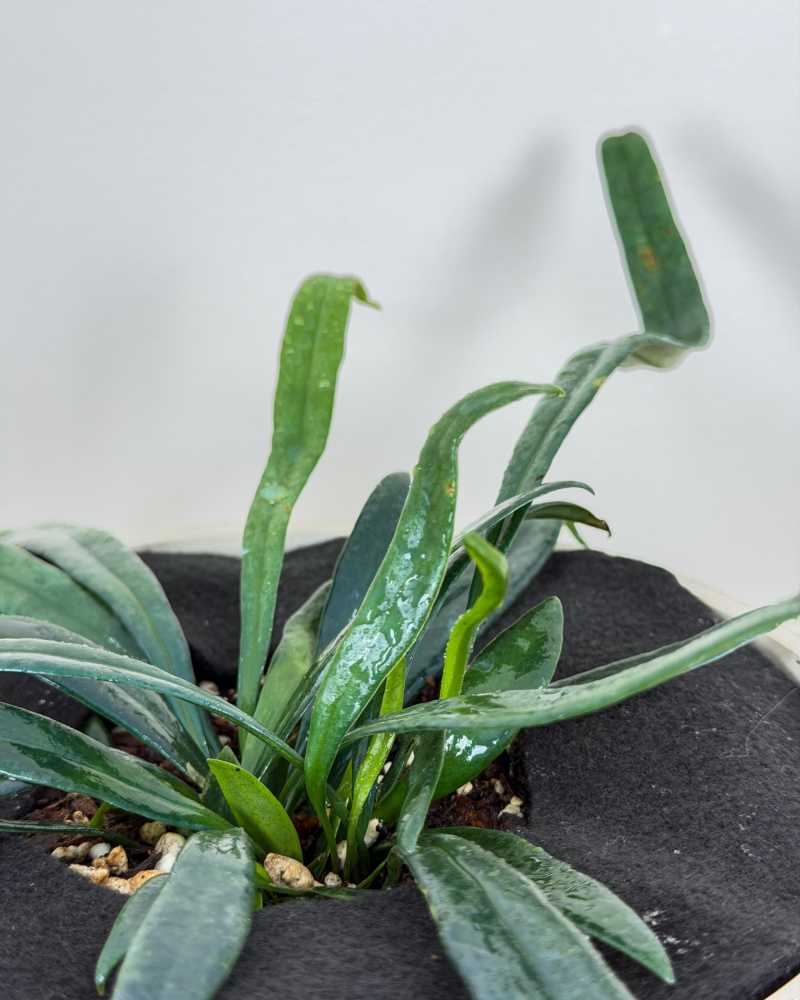
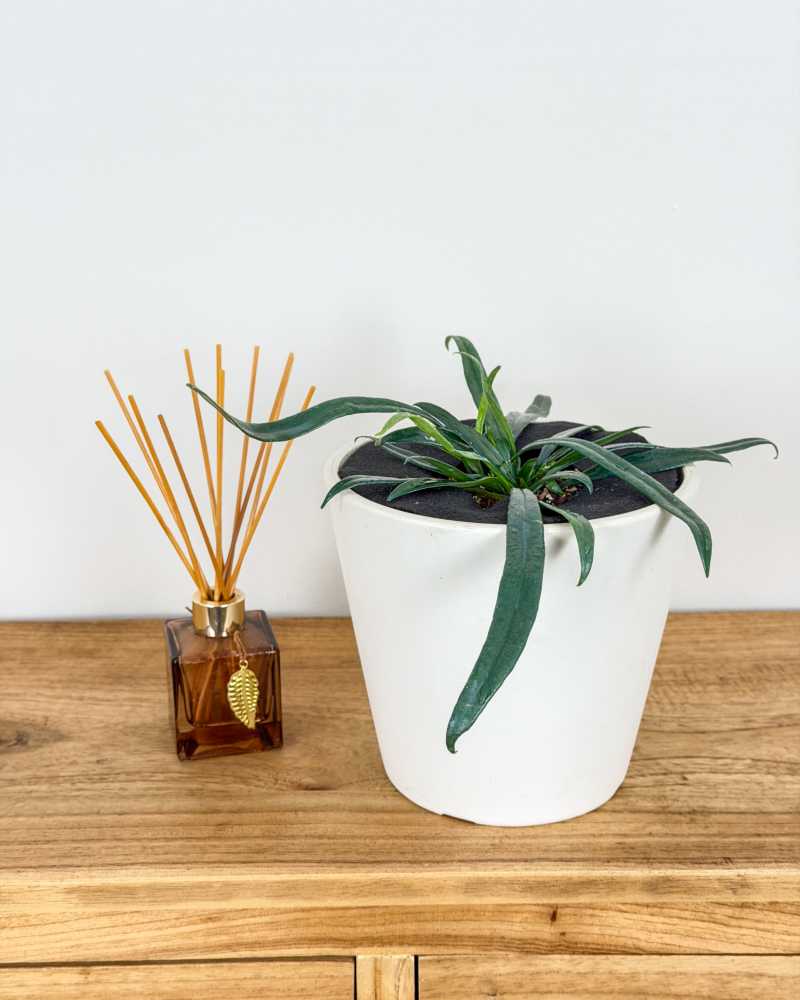
Description
Caring for your Blue Oil Fern
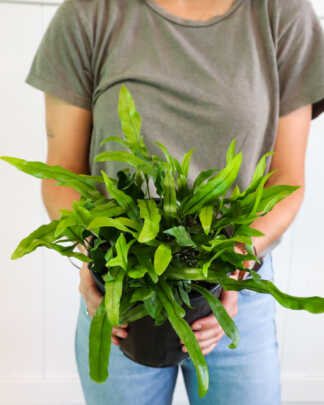
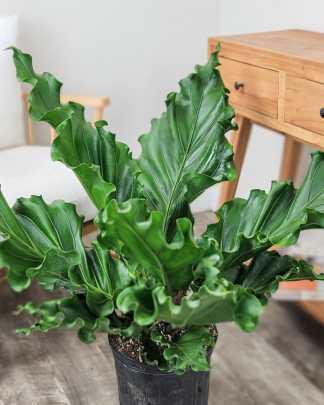
With the right environment, the Blue Oil Fern can be a spectacular and rewarding addition to your home, offering a slice of alien-like tropical beauty. Paying close attention to its need for high humidity, lower lighting, and a loose, airy soil mix ensures its signature blue metallic color stays vibrant. Whether you are a seasoned rare plant collector or a dedicated beginner, providing the humid, shaded sanctuary this fern loves is completely worth the effort.
Light
Blue Oil Ferns require a specific lighting setup to preserve their rare coloration. They thrive in low to medium indirect light and must be kept far away from direct sunlight, which will quickly bleach the leaves and permanently destroy the blue iridescent sheen. A north-facing window or a shaded interior spot is ideal. In fact, their metallic sheen is a natural adaptation designed to capture light in deep shade, so they do exceptionally well under low-intensity LED grow lights.
Soil
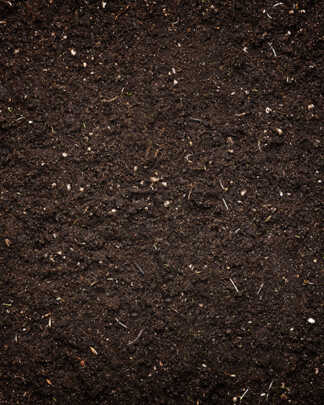
The right soil mix is critical for this fern’s unique root system, which grows epiphytically on mossy rocks in the wild. They prefer a highly porous, chunky, and well-draining medium rather than traditional dense potting soil. A mix of orchid bark, perlite, peat moss, and sphagnum moss provides the perfect balance of moisture retention and root aeration. Always use a pot with excellent drainage to keep the roots healthy.
Water
Consistent watering and high humidity are the keys to keeping a Blue Oil Fern happy. Water your fern thoroughly as soon as the top half-inch of the soil mix begins to feel dry to the touch, keeping the medium evenly damp like a wrung-out sponge. Never let the pot sit in stagnant water, as this leads to root rot. Reduce watering slightly during the cooler winter months when the plant’s growth naturally slows down.
Because they are native to rainforest conditions, Blue Oil Ferns absolutely require high humidity (60% or higher). Grouping them with other plants, using a humidifier, or placing them in a greenhouse cabinet or large terrarium will prevent the fronds from crisping.
Fertilizing
Feed your Blue Oil Fern sparingly during the active spring and summer growing months. Use a balanced, liquid houseplant fertilizer diluted to one-quarter or half-strength, applying it once every four to six weeks. Since they grow slowly and are sensitive to heavy salts, less is always more. Avoid fertilizing completely in the fall and winter when the plant is resting.
Pruning and Maintenance
Pruning is a simple process to keep your fern looking pristine and to encourage healthy new growth. If older fronds occasionally turn brown or yellow at the bottom, use small, sterilized scissors to snip them off near the rhizome base. Gently wipe the leathery leaves with a soft, damp cloth to keep them free of dust, but avoid using commercial leaf-shining products, as they can damage the delicate cellular structure that creates the blue color.
Pest and Disease Management
Blue Oil Ferns are relatively pest-resistant but can occasionally attract common nuisances like scale or mealybugs if humidity drops too low. Inspect the undersides of the fronds regularly and treat any early signs with a gentle, carni-safe insecticidal soap or diluted neem oil. Prevent fungal leaf spot and root issues by ensuring excellent air circulation around the plant and avoiding a waterlogged soil mix.
Propagation
The Blue Oil Fern propagates best through rhizome division during its spring repotting window. As the plant matures, the fuzzy creeping rhizome will spread across the pot and form secondary clusters of fronds. Carefully slide the plant out of its container and look for a natural separation point along the rhizome. Using a clean, sharp knife, cut a section that contains at least two or three healthy fronds and a solid root system, then pot it up independently in a fresh, chunky mix.