Description
Caring for your Echeveria
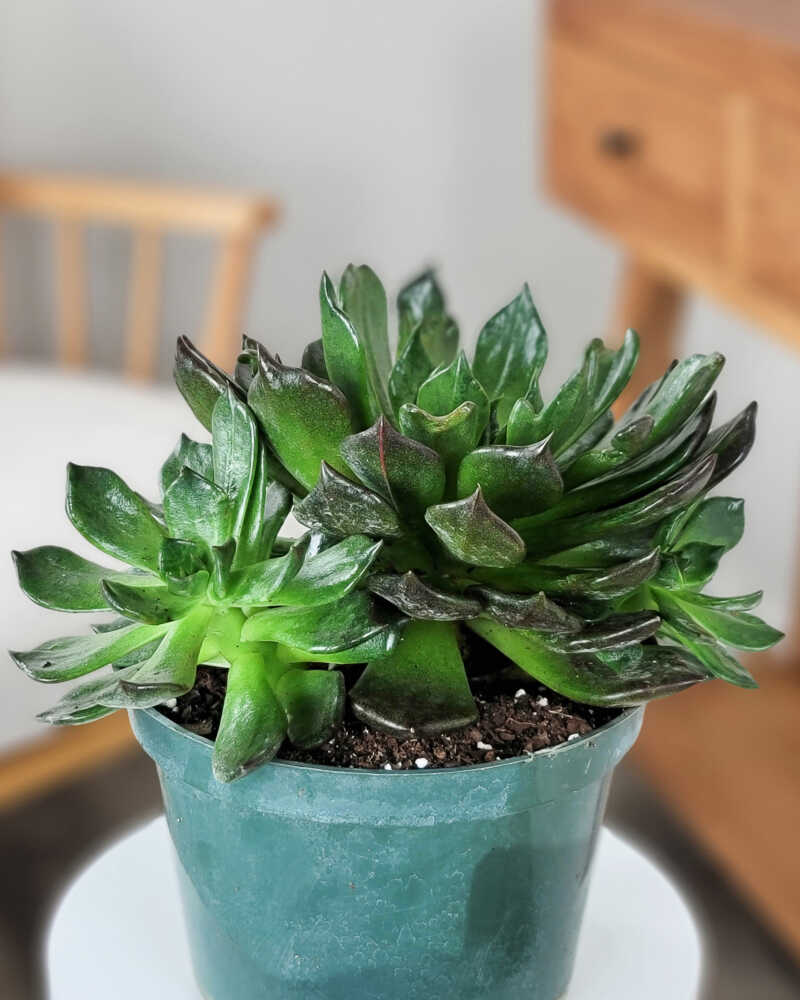
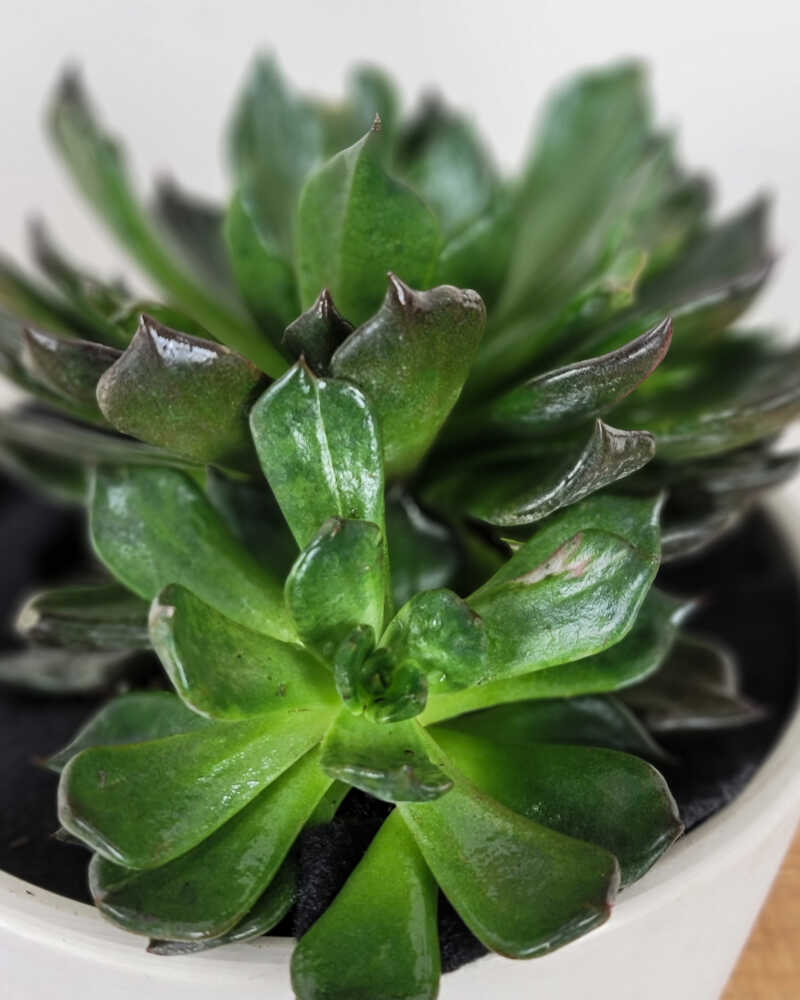
Echeveria, a genus of succulent plants native to semi-desert areas of Central America, Mexico, and northwestern South America, is prized for its stunning rosettes and vibrant colors. These low-maintenance plants are popular in rock gardens, containers, and as indoor decorative plants. Known for their thick, fleshy leaves that store water, Echeveria species are drought-tolerant and require minimal care, making them ideal for both novice and experienced gardeners.
Light
Echeveria thrives in bright, indirect light. For optimal growth and vibrant color, place your plant where it can receive at least 6 hours of sunlight daily. When grown indoors, a south or east-facing window is ideal. If the plant does not receive enough light, it may become leggy, with elongated stems and sparse leaves. Outdoors, Echeveria can tolerate full sun but should be protected from the intense afternoon sun, especially in hotter climates, to prevent sunburn.
Soil
Well-draining soil is crucial for Echeveria. A cactus or succulent potting mix is ideal, as it provides the necessary drainage to prevent root rot. You can create your own mix by combining regular potting soil with coarse sand or perlite to improve drainage. The soil should be slightly acidic to neutral, with a pH range of 6.0 to 7.0.
Watering
Echeveria is drought-tolerant and requires minimal watering. The key to watering Echeveria is to let the soil dry out completely between waterings. During the growing season (spring and summer), water the plant thoroughly, allowing water to drain out of the bottom of the pot. In the dormant period (fall and winter), reduce the frequency of watering, as the plant’s water needs decrease.
Overwatering is the most common cause of problems with Echeveria, leading to root rot and other issues. Always check the soil moisture before watering, and ensure that the pot has good drainage. Humidity is not a major concern for Echeveria, as they are adapted to dry environments. Avoid placing them in overly humid areas to prevent rot.
Fertilizing
Echeveria does not require heavy fertilization. During the growing season, you can feed your plant with a diluted, balanced fertilizer (such as 10-10-10) once a month. Avoid over-fertilizing, as this can lead to weak, leggy growth. A light application of a slow-release fertilizer at the beginning of the growing season is also effective. Do not fertilize during the dormant period in fall and winter.
Pruning and Maintenance
Echeveria requires minimal pruning. Remove any dead or damaged leaves to keep the plant looking neat and healthy. If the plant becomes leggy, you can trim the elongated stem and replant the rosette to encourage new growth.
For larger plants, removing the lower leaves can help maintain a clean appearance and prevent pests and diseases. Always use sterile tools when pruning to avoid introducing pathogens.
Pest and Disease Control
Echeveria is generally resistant to pests and diseases but can occasionally be affected by common issues such as aphids, mealybugs, and spider mites. Regularly inspect your plant for signs of infestation and treat with insecticidal soap or neem oil if necessary.
Good air circulation and proper watering practices are essential to prevent fungal diseases and rot. Avoid getting water on the leaves, as this can lead to rot and other issues. If fungal diseases are detected, remove affected parts of the plant and treat with a fungicide if necessary.