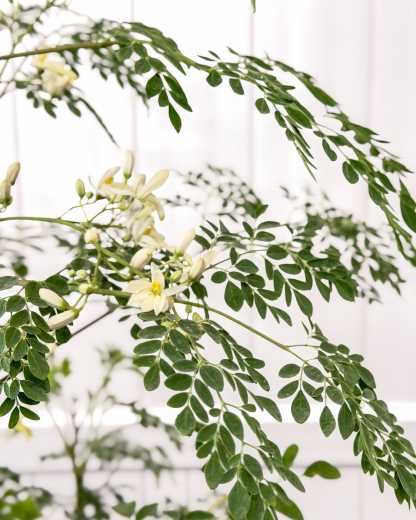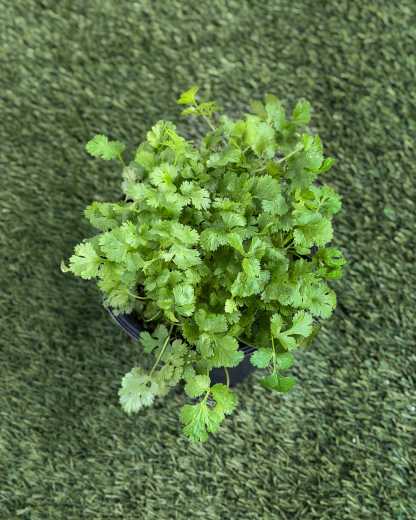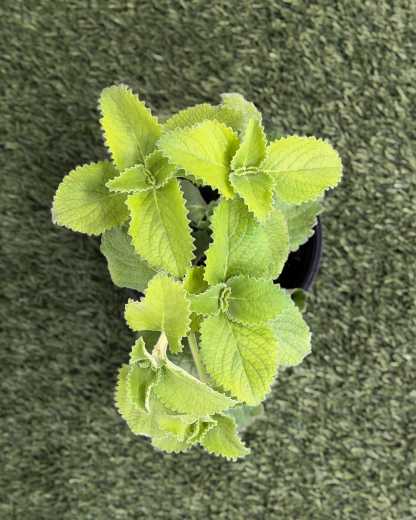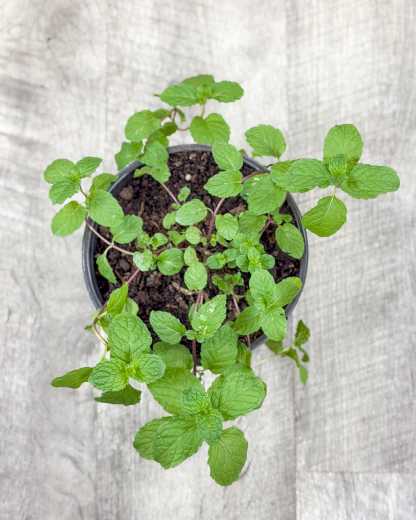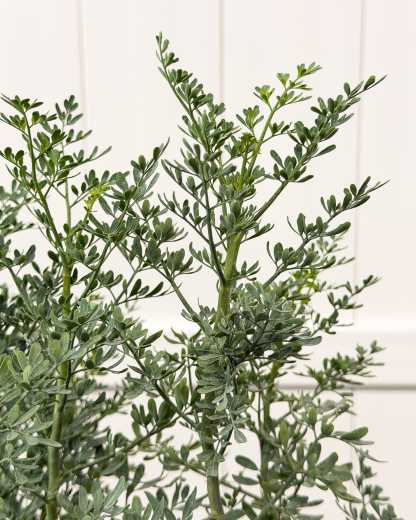
Herbs Varieties
Herbs at a Glance
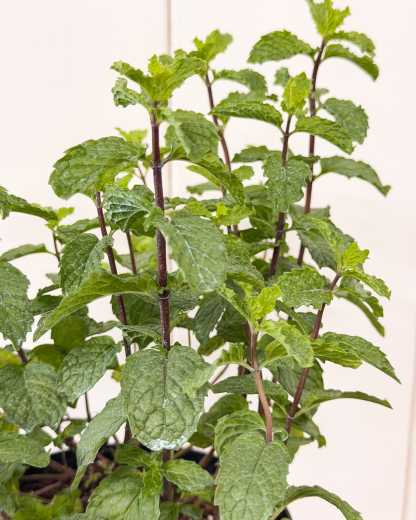
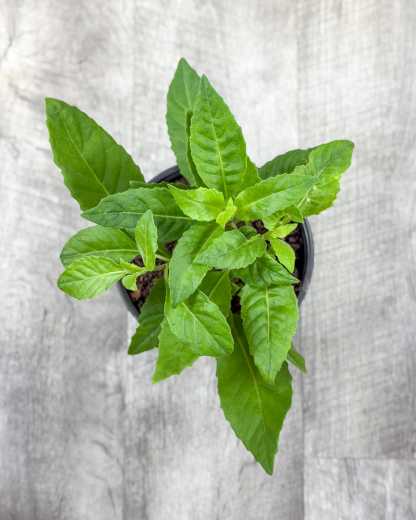
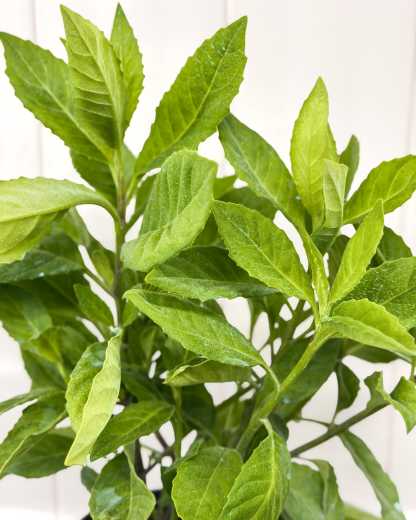
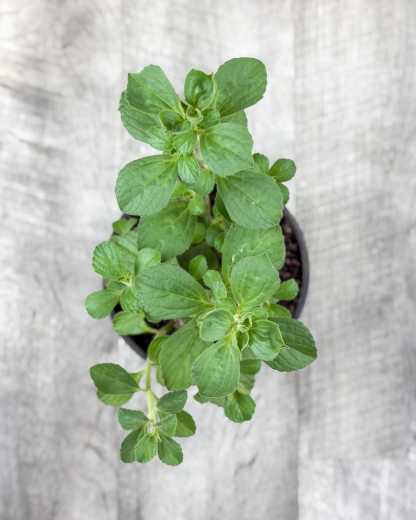
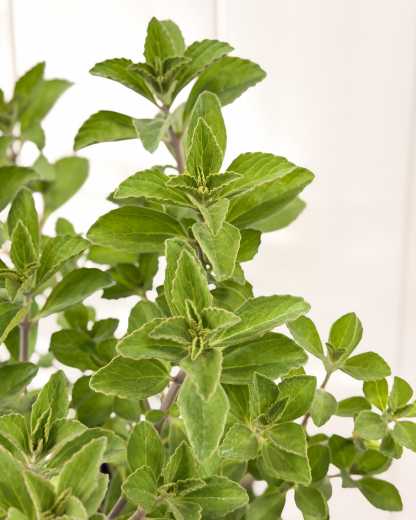
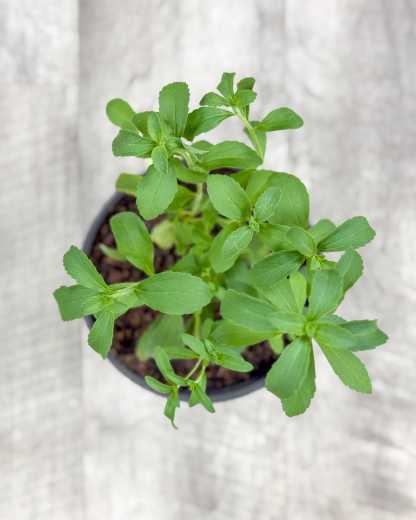
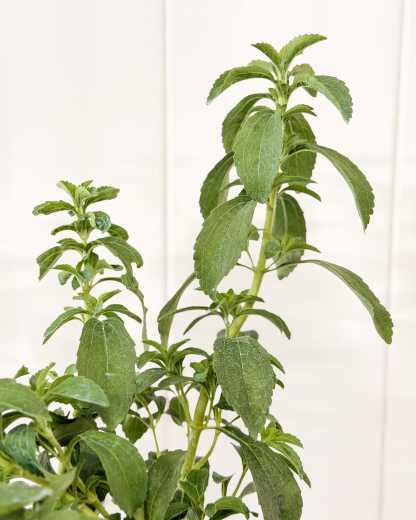
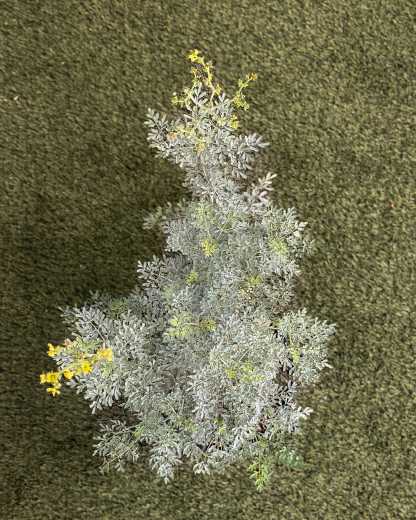
There are thousands of species of herbs grown worldwide, deeply rooted in culinary traditions, natural remedies, and aromatic gardening. Common varieties include spearmint, stevia, cilantro, rue (ruda), rosemary, and basil. In cultivation, herbs make wonderful additions to sunny kitchen windowsills, patio containers, and garden beds because of their fresh aromatics and rich flavors. They make great starter plants for gardeners of all skill levels due to their fast growth and rewarding, ongoing harvests.
Herbs Care Information
Herbs are generally low maintenance and fast-growing when provided with sufficient sunlight. Maintenance is usually just regular pinching or harvesting of the top leaves to encourage bushier growth and prevent premature flowering. For the most part, herbs tend to remain pest-resistant thanks to their natural essential oils, but they can occasionally attract aphids or spider mites. The most common issue is overwatering or inadequate light, which can result in root rot, weak stems, and loss of flavor.
Light: High to Full Sun. Most herbs require 4 to 8 hours of direct, bright sunlight daily to thrive and produce rich, aromatic foliage.
Water: Moderate. Keep soil consistently moist for soft-stemmed varieties, while letting woody herbs dry out slightly between waterings.
Soil: Best in loose, fertile, and well-drained soil.
Humidity: Herbs do best with low to average household humidity and good air circulation.
Propagation:Best by stem cuttings or seeds, depending on the variety.
Toxicity:Varies by variety. Popular culinary herbs (like cilantro and spearmint) are pet-friendly, while certain traditional varieties (like rue) can be toxic to pets if ingested.