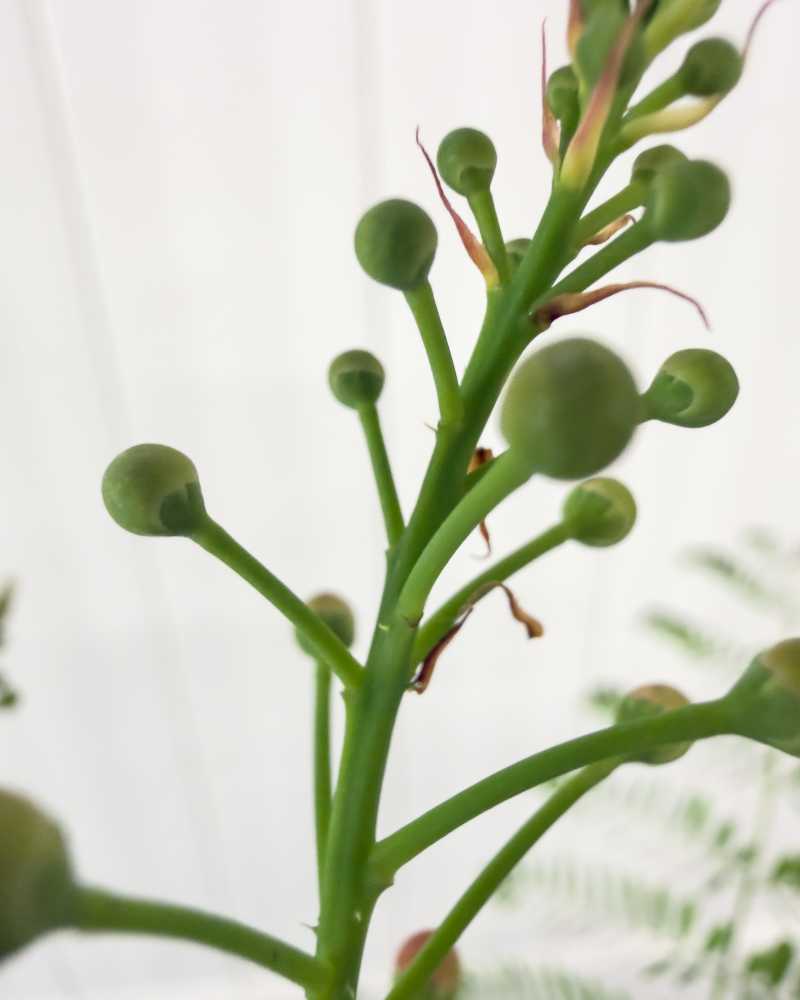
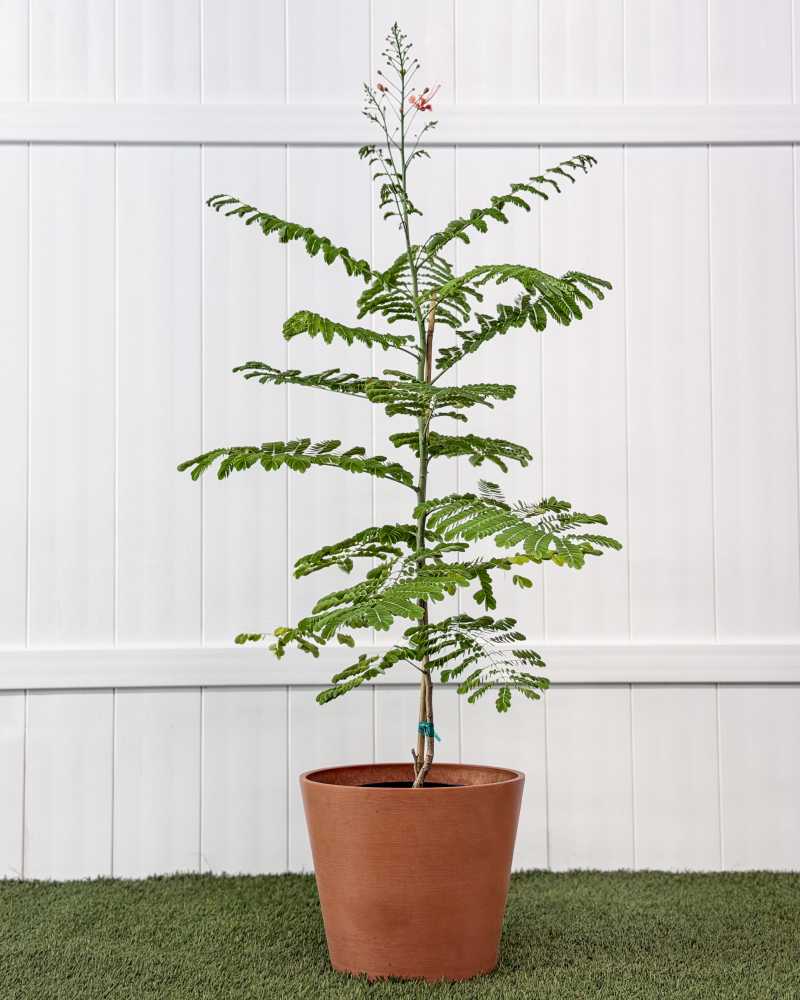
Description
Caring for your Pink Pride of Barbados
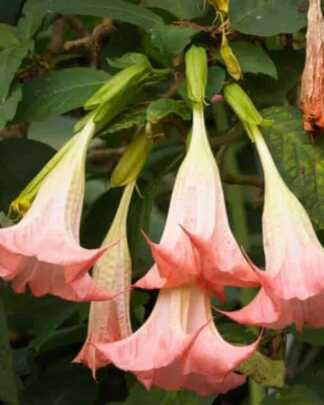
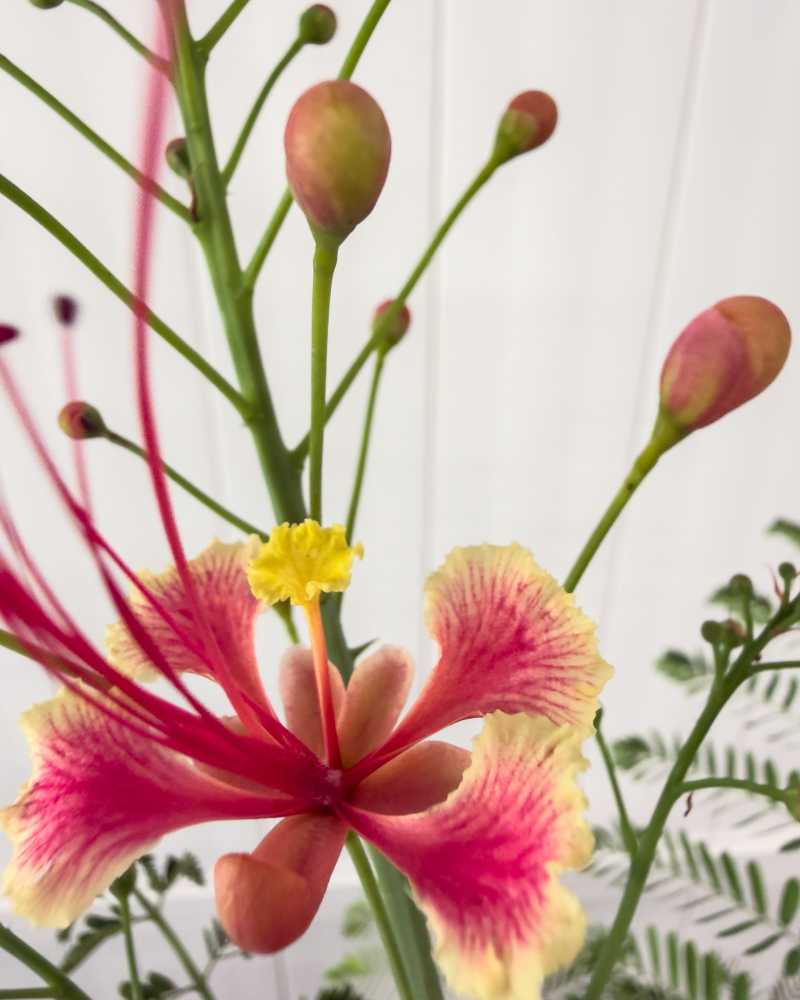
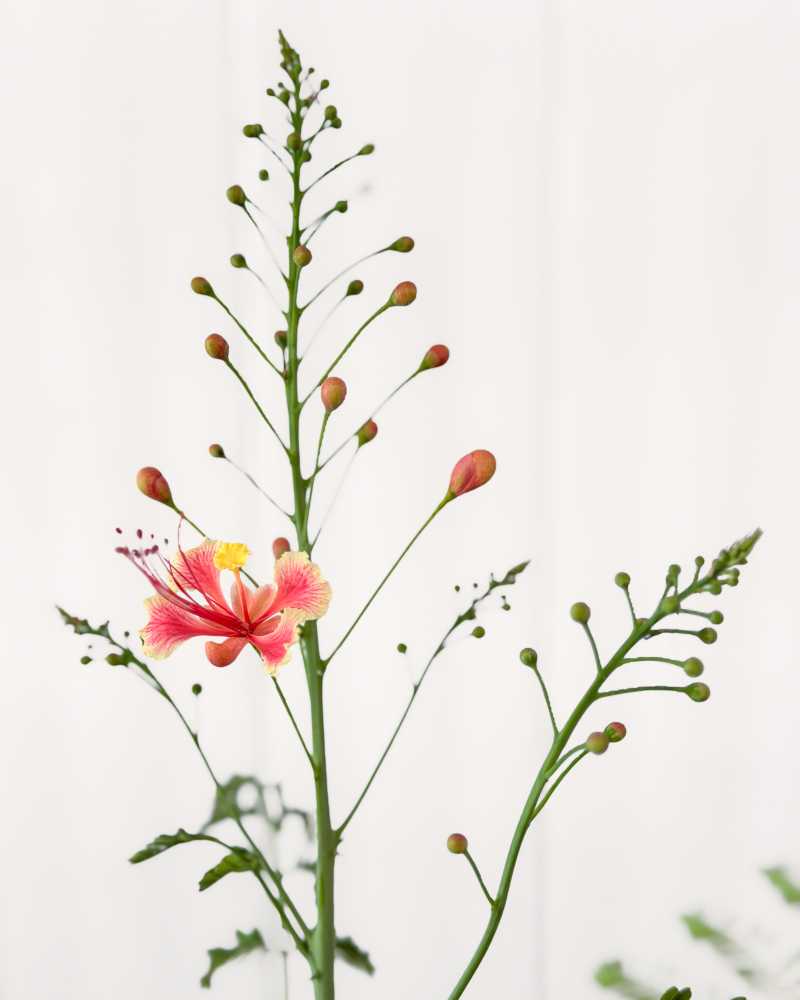
The Pink Pride of Barbados (Caesalpinia pulcherrima) is an excellent plant for beginner plant parents looking for soft, tropical elegance. If you follow the care instructions correctly, this flowering shrub will not give you much trouble and will reward you with dazzling pink, rose, and cream blooms. Let us see how to take the best care of this popular garden plant.
Light
Pink Pride of Barbados is a sun-loving plant that thrives in intense heat and full sun. Sun exposure helps fuel the plant’s profuse flowering and soft pink bloom color. It requires at least six hours of direct, unfiltered sunlight daily to produce its iconic rose, blush, and cream-colored blossoms. Having said that, if you are growing a Pink Pride of Barbados in an area with scorching afternoon conditions, it can tolerate light partial shade, though full sun produces the best flower display.
Soil
Pride of Barbados houseplants and garden specimens thrive well in well-draining soils. Additionally, they prefer slightly acidic to neutral soil, though they are remarkably adaptable to alkaline conditions as long as drainage is sharp. Loamy and sandy soil varieties are ideal. You should avoid wet, hard potting clay and garden sites where water pools after rain.
Water
Pride of Barbados typically experiences warm, drier spells interspersed with deep rain in its native tropical habitat. Simply put, they prefer a thorough watering followed by a drying period to mimic their natural growing environment. Watering your Pride of Barbados once or twice a week is acceptable during the growing season while establishing the plant. Pride of Barbados requires damp but unsaturated growing conditions when young, becoming quite drought-tolerant as it matures. Ideally, you want to ensure the soil remains slightly moist during summer peak growth, but never wet. Heavily dampened soil can cause root rot, so you want to avoid overwatering at all costs.
Fertilizer
When it comes to feeding a Pride of Barbados, applying too much fertilizer can harm plants more than benefit their health—especially excessive nitrogen, which causes lush foliage with few flowers. Slow-release fertilizers with balanced or high-phosphorus amounts work best for Pride of Barbados. Feed your plant once in spring, its growing season, by spreading the fertilizer evenly around the soil and watering it right after.
Common Issues
Like all houseplants and garden shrubs, Pride of Barbados plants are susceptible to certain pests and diseases. Carefully following the care instructions can help maintain your plant’s health and beauty.
Pests
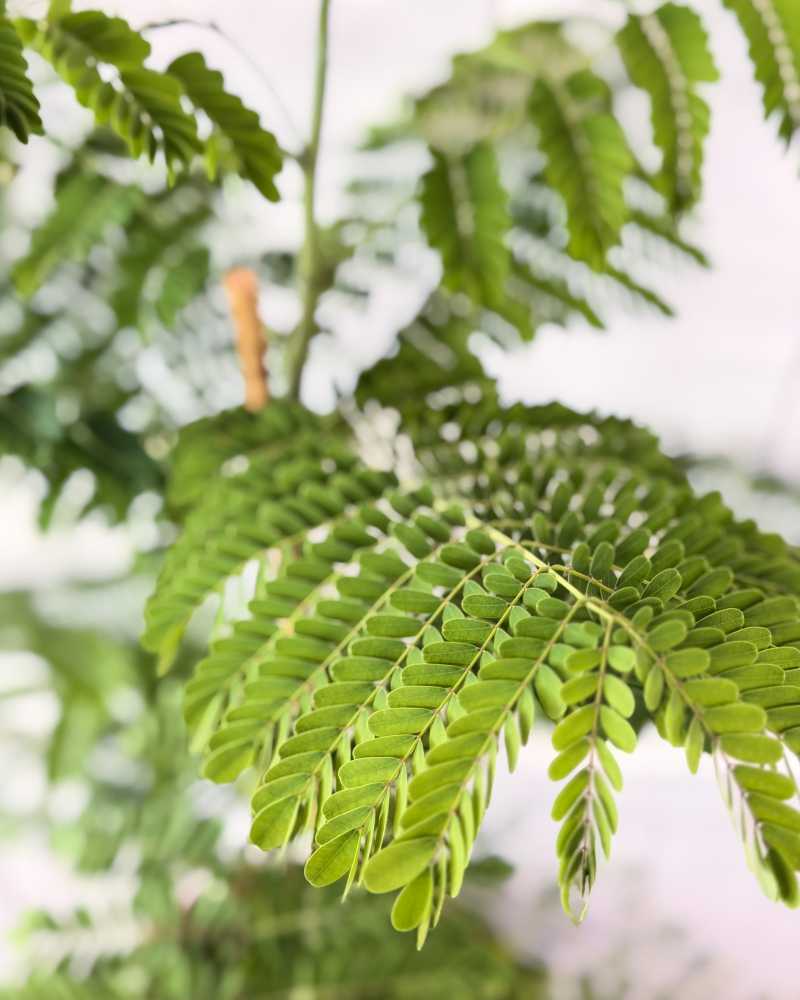
Aphids, spider mites, whiteflies, and caterpillars are the most common pests that affect Pride of Barbados. You should regularly check the undersides of the feathery foliage to catch pests early. You can use insecticidal soap or neem oil sprays on the leaves to control spider mites and aphids, whereas handpicking caterpillars is best for preventing leaf damage.
Diseases
Pride of Barbados plants are susceptible to fungal leaf spot and root rot. Furthermore, the disease risk increases in overly moist growing conditions or poorly ventilated areas. To avoid fungal infections, water your plant at the ground level instead of overhead watering and ensure your potting mix drains rapidly.
Pruning
As the plant matures, older branches can become leggy or frost-damaged in cooler winters. Pruning Pride of Barbados is essential for removing dead and damaged stems and encouraging fresh growth, which is where new flower clusters form. You want to prune back heavily in late winter or early spring to control your plant’s shape and size. Deadheading spent flower spikes throughout the summer also encourages continuous blooming.
Propagation
Pride of Barbados plants are low-maintenance and beginner-friendly plants and extremely easy to propagate. As a plant parent, you can choose from propagation methods such as sowing seeds or taking stem cuttings. If you are new to gardening, propagating by seed is ideal—simply nick the hard seed coat (scarification) and soak the seeds in warm water overnight before planting.
Potting/ Repotting
Potting/ repotting a Pride of Barbados is easy, given you are gentle and follow the correct methods. Few of the most important things that make the most significant differences include finding a suitable pot and potting soil. Ideally, you want well-draining soil and a container with several drainage holes. Make sure your new pot is larger than the previous one in size to accommodate its sprawling root system.