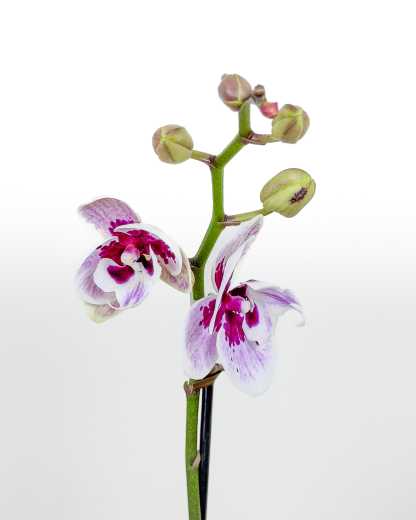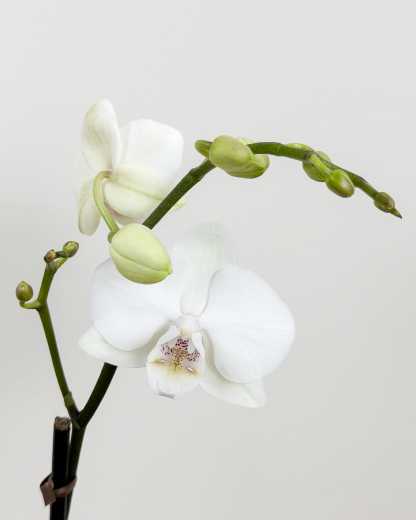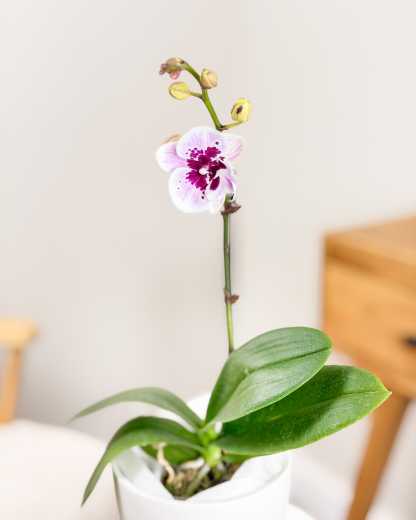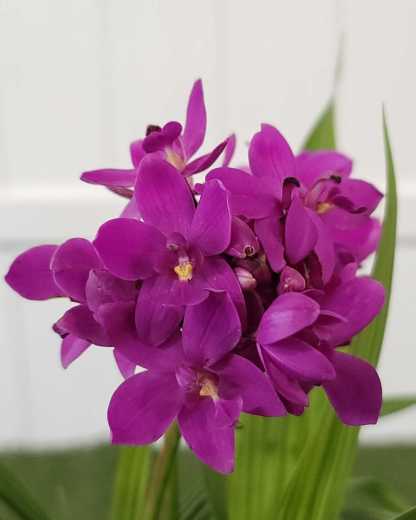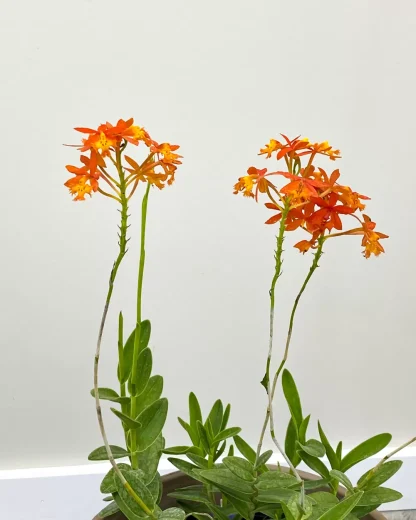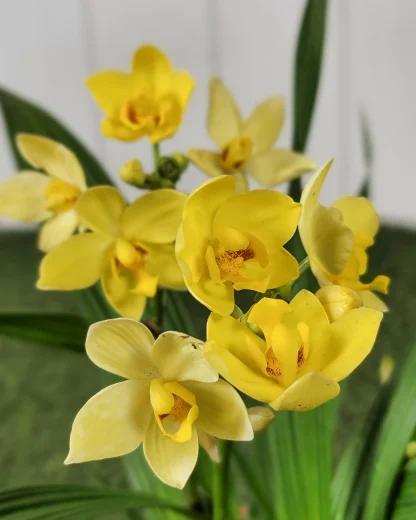
Orchids Varieties
Orchids at a Glance
There are over 28,000 species of orchids worldwide, making them one of the largest and most diverse families of flowering plants found on almost every continent. In cultivation, orchids are celebrated as exotic houseplants because of their breathtaking, long-lasting blooms and unique architectural growth habits. They make sophisticated additions to any bright indoor space and are surprisingly accessible for plant lovers of all skill levels.
Orchid Care Information
Orchids are generally rewarding and resilient once their basic environmental needs are met. Maintenance usually involves trimming spent flower spikes to encourage reblooming and repotting every couple of years to refresh their growing medium. While relatively hardy, orchids can occasionally attract common houseplant pests such as scale, mealybugs, or spider mites. The most common issue is overwatering or poor drainage, which can quickly result in root rot, yellowing foliage, and premature bud drop.
Light: Medium to Bright Indirect Light. Orchids thrive in dappled or filtered sunlight; avoid direct afternoon sun as it can easily scorch their delicate leaves.
Water: Low to Moderate. Allow the orchid bark medium to dry out almost completely between thorough waterings. Never let the roots sit in stagnant water.
Soil: Best in a loose, coarse orchid bark mix or sphagnum moss that ensures maximum root aeration and rapid drainage.
Humidity: Orchids do best with moderate to high humidity (50% to 70%) accompanied by gentle air circulation.
Propagation:Best by plant division, separating offshoots (keikis), or backbulbs, depending on the growth style of the variety.
Toxicity:Non-toxic. Most popular orchid species are pet-friendly and safe for dogs and cats.