Description
Caring for your Pothos Baltic Blue
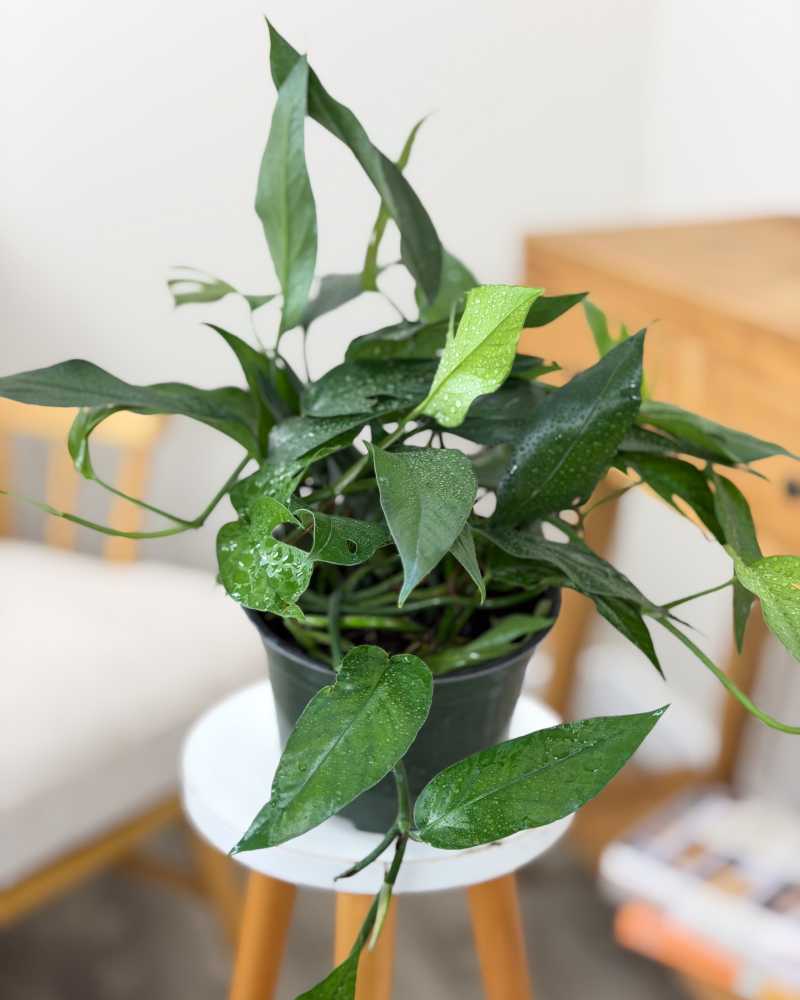
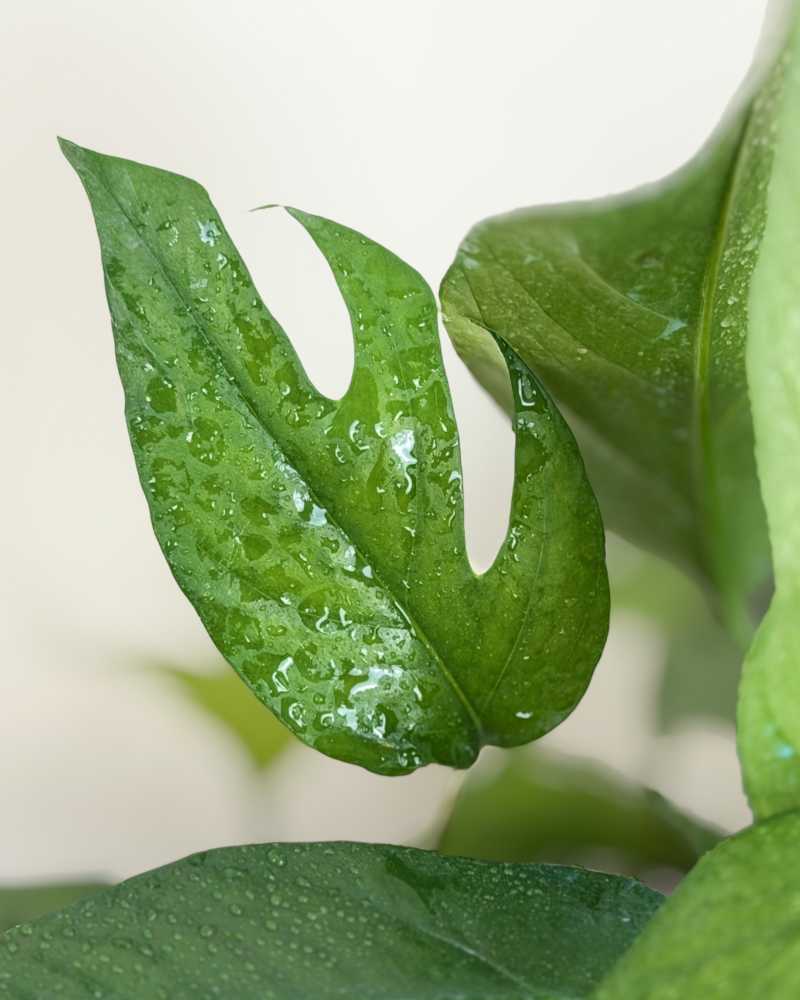
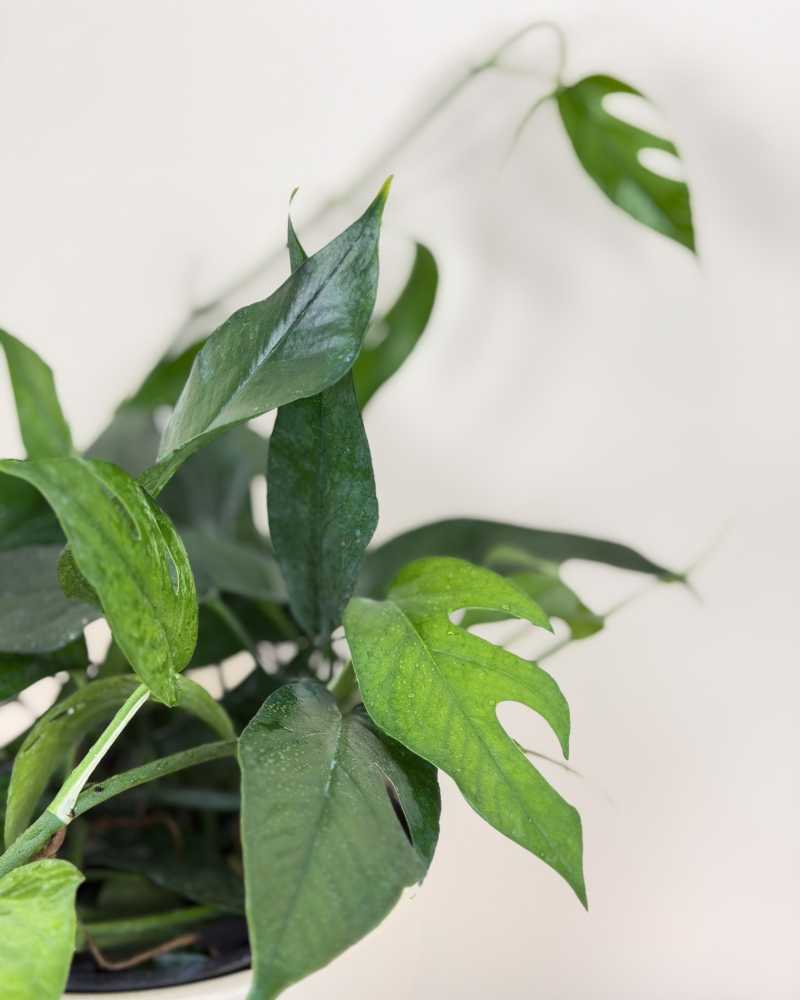
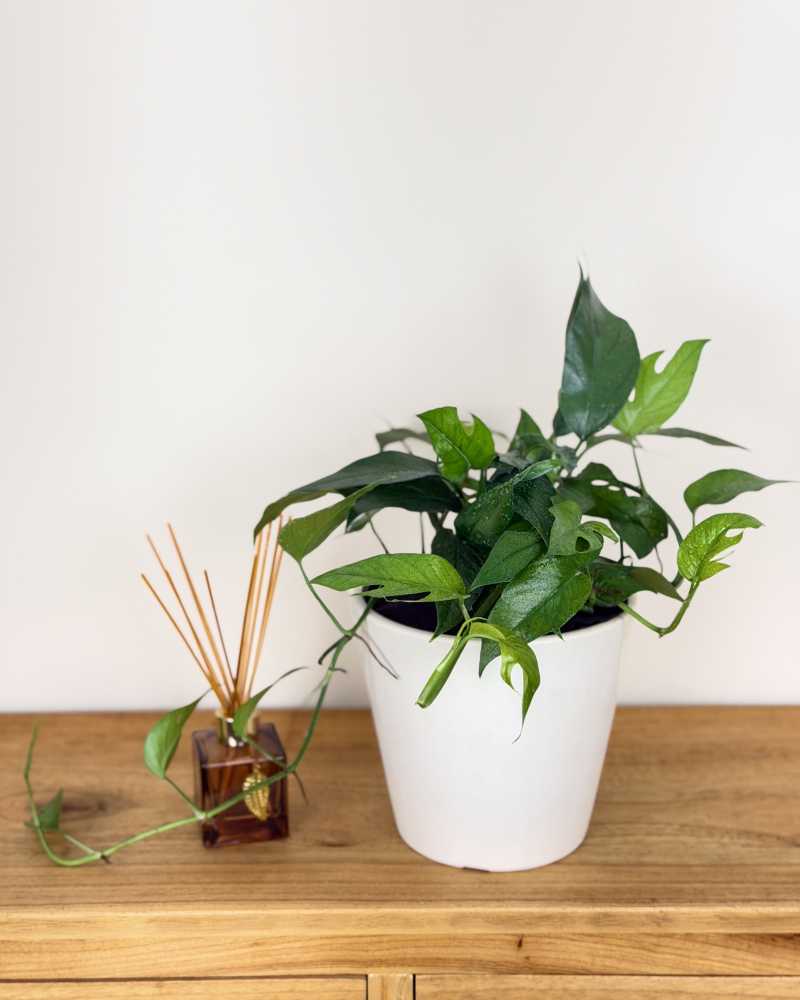
With its striking deep blue-green leaves and early-developing fenestrations, Pothos Baltic Blue is a standout, fast-growing vine that brings cool-toned sophistication to any collection. Providing it with bright indirect light, moderate watering, and vertical support will reward you with lush, cascading foliage or climbing vines featuring dramatic leaf slits. Perfect for hanging baskets, tabletop displays, or climbing up a moss pole, this low-maintenance tropical favorite adds dynamic texture and deep color to any indoor space.
Light
Pothos Baltic Blue thrives in medium to bright, indirect sunlight. Generous light encourages faster growth and helps the plant produce its signature leaf fenestrations (slits) much sooner. Avoid harsh, direct afternoon sun, which can scorch the foliage, and stay away from deep shade to prevent slow, leggy growth.
Soil
An airy, well-draining potting mix is essential for keeping the root system healthy. Use a quality houseplant soil blended with orchid bark, perlite, and coconut coir to provide optimal aeration and ensure water drains away freely.
Water
Water your Baltic Blue Pothos when the top 1 to 2 inches of soil feel dry to the touch. Water thoroughly until liquid drains out of the bottom, then empty the tray. Avoid keeping the soil soggy, as overwatering can lead to yellowing leaves and root rot. Reduce watering frequency during the fall and winter months.
Humidity & Temperature
This plant adapts remarkably well to average household humidity, but elevated humidity levels (50% or higher) will boost leaf size and growth speed. It thrives in warm temperatures between 65°F and 85°F (18°C to 29°C). Keep it protected from cold window drafts and direct heating or AC vents.
Fertilizing
Feed monthly throughout spring and summer using a balanced liquid houseplant fertilizer diluted to half-strength. Hold off on fertilizing during the fall and winter months when growth naturally slows down.
Pruning and Maintenance
Prune trailing stems periodically to maintain your desired length and encourage bushier growth at the crown. Giving your Baltic Blue a moss pole or trellis to climb will mimic its natural habitat, resulting in significantly larger leaves and more pronounced fenestrations.
Pest and Disease Management
Inspect the leaves and stem nodes periodically for common pests such as mealybugs, scale, or spider mites. Treat any signs of infestation early with insecticidal soap or neem oil spray. Avoid waterlogged soil to protect against fungal root rot. (Note: Like most pothos, it is toxic to pets if ingested).
Propagation
Baltic Blue Pothos propagates effortlessly through stem cuttings. Take a 4-6 inch cutting containing at least one leaf node, strip the lowest leaf, and place it in water, moist sphagnum moss, or soil. Roots will establish quickly within 2 to 4 weeks in a warm, brightly lit area.