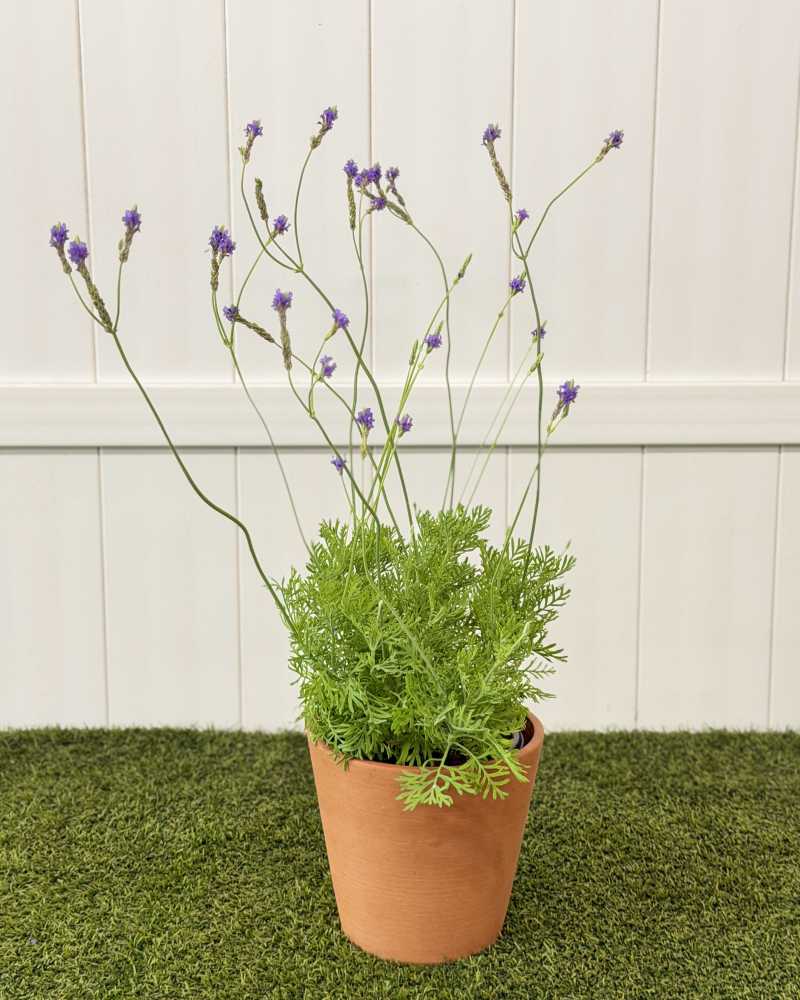
Description
Caring for your Bandula Lavendula
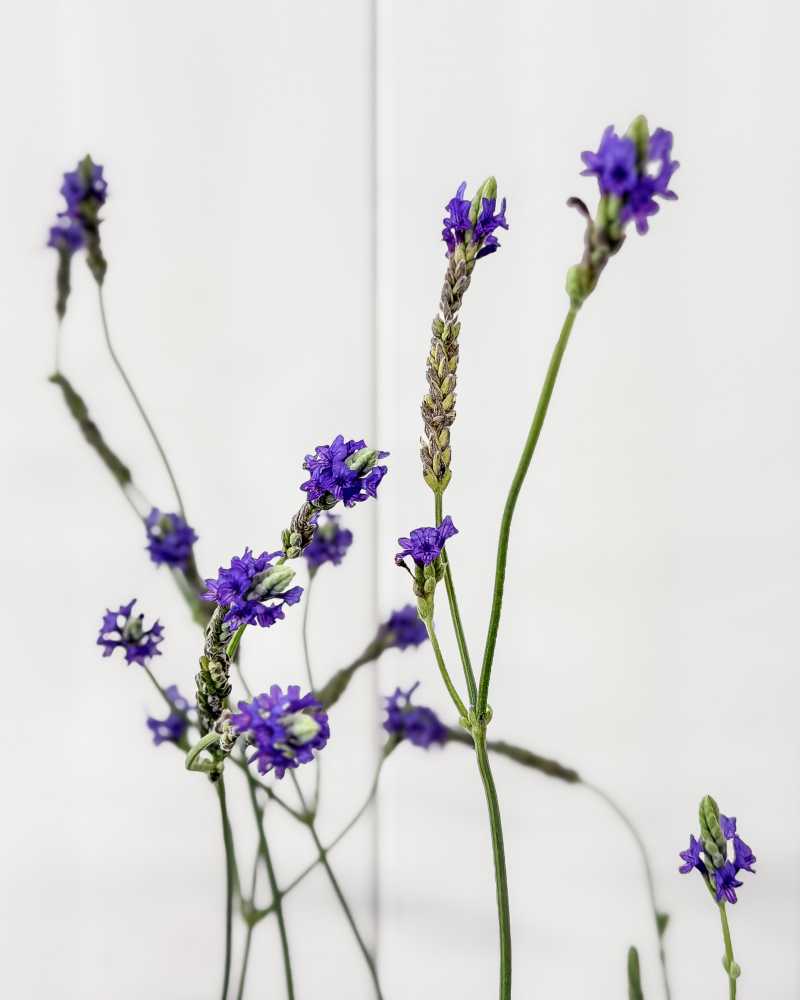
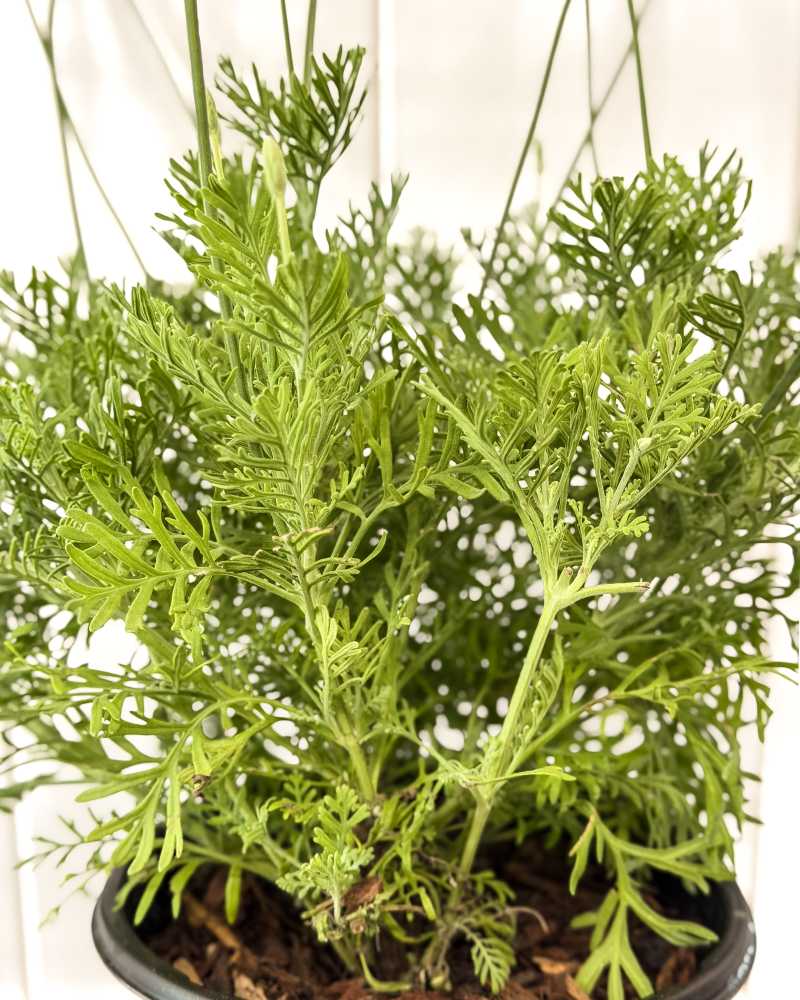
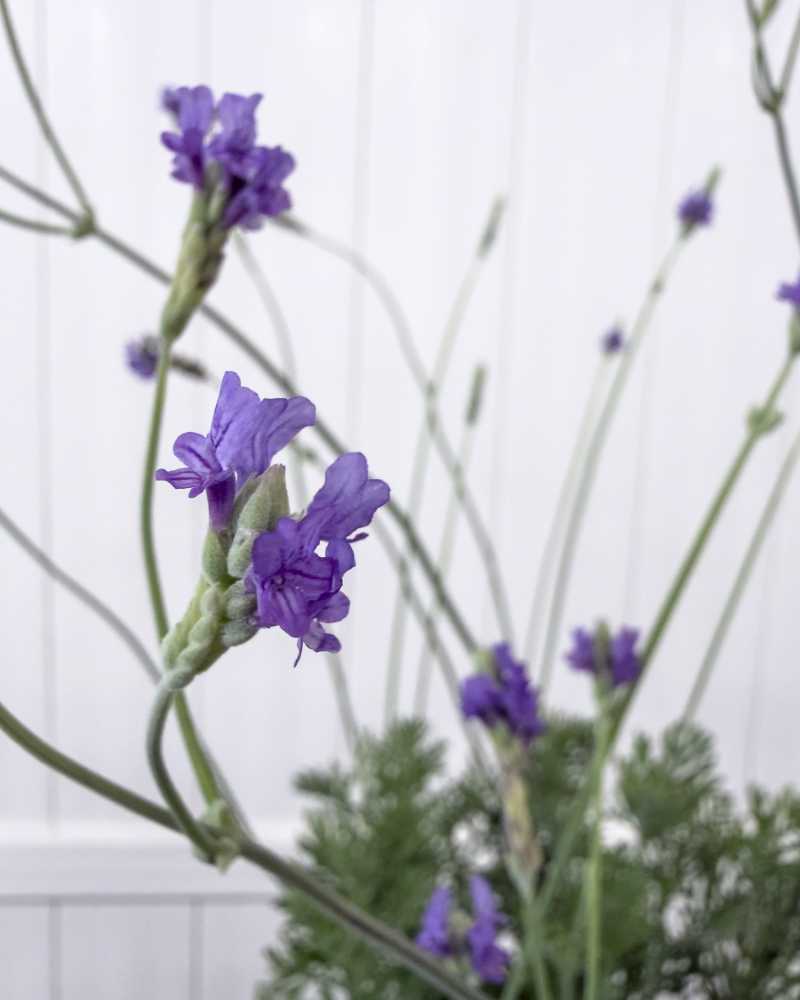
With its intensely aromatic foliage and rich violet blooms, Bandula Lavendula is a sensational addition to sunny garden beds, borders, and container displays. Paying attention to its preferences for bright sunlight, lean, sharply draining soil, and low water requirements will reward you with a compact, bushy plant that fills the air with quintessential lavender fragrance. Perfect for pollinators and garden enthusiasts alike, this hardy perennial brings vibrant color, soothing scents, and Mediterranean charm with minimal effort.
Light
Bandula Lavendula requires full sun to thrive and bloom abundantly. Place your plant in a location where it receives at least 6 to 8 hours of direct sunlight daily. Inadequate sunlight leads to weak, floppy stems and significantly reduces flower production.
Soil
Sharply draining, lean soil is the most critical requirement for keeping Bandula Lavendula healthy. It prefers sandy, gravelly, or chalky soils with a neutral to slightly alkaline pH (6.5 to 7.5). Avoid rich, moisture-retentive soils or heavy clay, as soggy conditions quickly lead to root rot. If planting in pots, use a cactus/succulent potting mix or add perlite and coarse grit to standard potting soil.
Water
Bandula Lavendula has very low water needs once established. Water thoroughly when the top two inches of soil feel completely dry to the touch, then allow the soil to dry out thoroughly before watering again. Always water at the base of the plant to keep the foliage dry, and reduce watering even further during the winter months when the plant is dormant.
Humidity & Temperature
This plant thrives in warm, dry climates with low to moderate humidity. Good air circulation around the foliage is essential to prevent fungal issues in humid summers. While it can handle heat effortlessly, protect container-grown lavender from prolonged freezing temperatures or harsh winter winds.
Fertilizing
Bandula Lavendula requires very little fertilizer. In fact, over-fertilizing can cause lush foliage growth at the expense of fragrant blooms. Apply a light dose of balanced, organic fertilizer or a thin layer of compost once in early spring as new growth appears. Avoid fertilizing during the fall and winter months.
Pruning and Maintenance
Regular pruning keeps the plant compact, prevents woody, bare centers, and encourages fresh growth. Prune lightly after the main flush of spring/summer blooms by trimming off faded flower spikes and the top inch or two of leafy stems. Never cut back into hard, old woody stems that lack green leaves.
Pest and Disease Management
Thanks to its fragrant essential oils, Bandula Lavendula is naturally resistant to most pests, deer, and rabbits. Fungal root rot and leaf spot caused by excess moisture or poor air circulation are its biggest threats. Keep foliage dry and ensure excellent soil drainage to keep fungal problems at bay.
Propagation
Bandula Lavendula is easily propagated from softwood cuttings taken in late spring or semi-ripe cuttings in mid-summer. Take 3-4 inch stem cuttings without flower buds, remove the lower leaves, dip the ends in rooting hormone, and plant them in a moist, sandy potting mix until roots develop in 4 to 6 weeks.