Description
Caring for your Philodendron Hope
Light
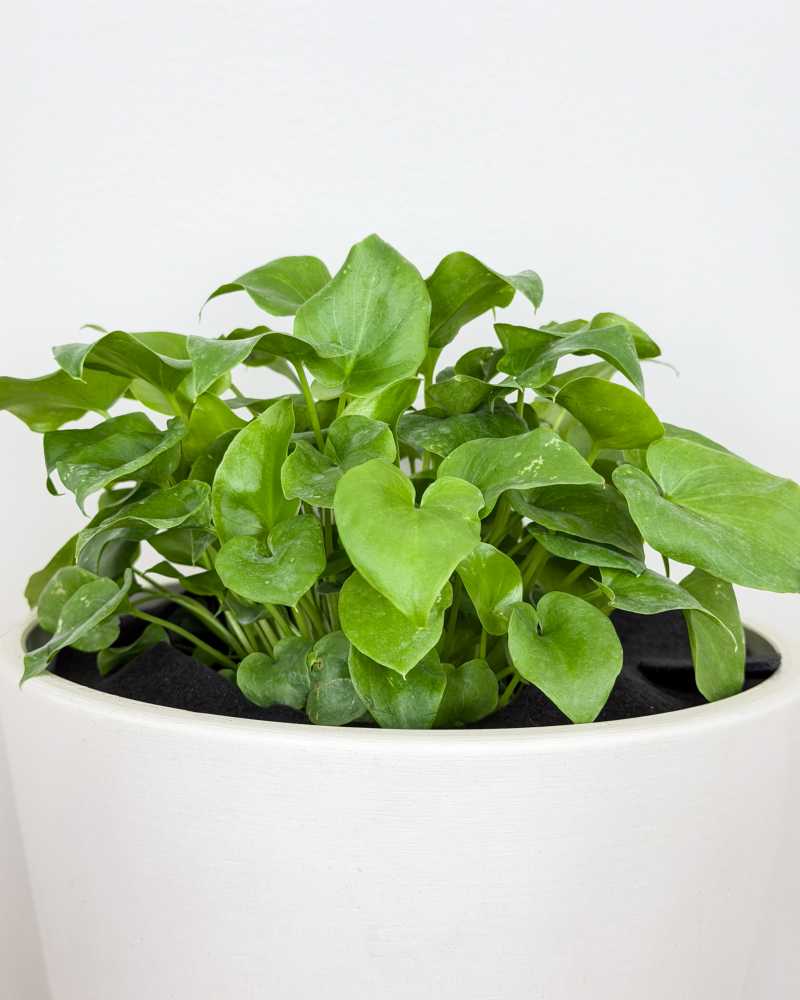
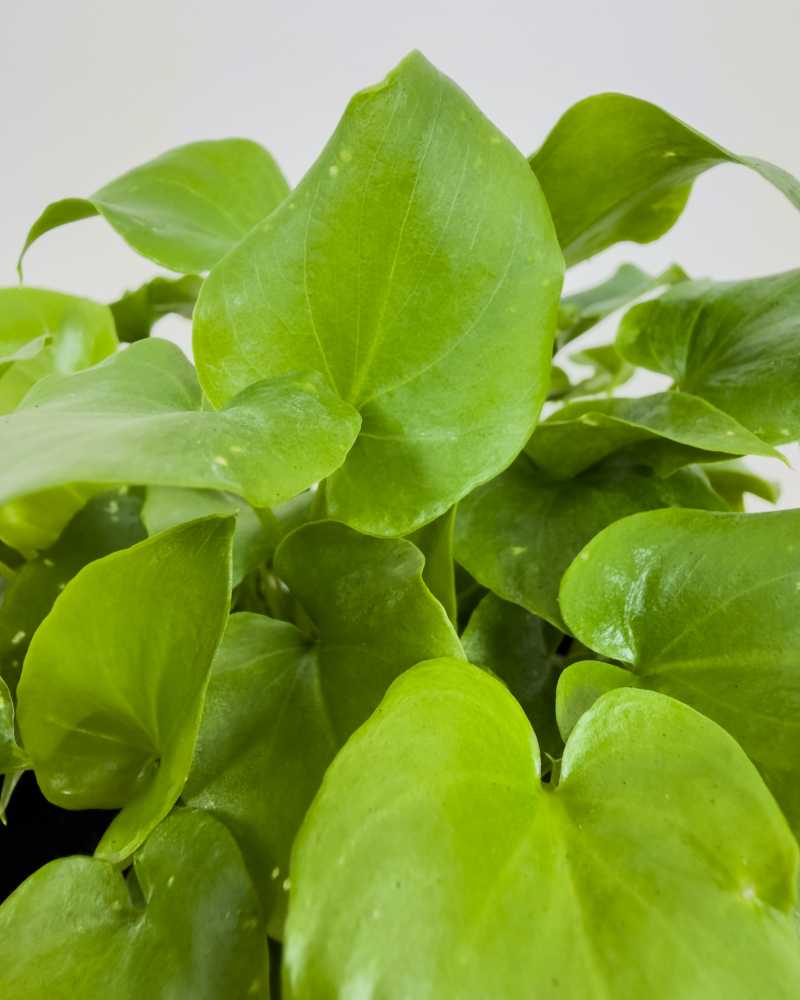
The Philodendron Hope thrives best in medium to bright, indirect sunlight. It loves abundant filtered light, which helps it maintain its compact shape and produce larger, more deeply serrated leaves. While it can tolerate lower light conditions, its growth will slow down. Avoid harsh, direct afternoon sun, as it can scorch and bleach the beautiful foliage.
Soil
This tropical beauty requires a rich, loose, and well-draining potting medium that mimics the forest floor. Never use dense, heavy garden soil. A premium blend of high-quality indoor potting soil mixed with perlite, orchid bark, and peat moss is ideal to keep the roots aerated while retaining just the right amount of organic nutrients.
Water
Water thoroughly when the top 1 to 2 inches of the soil feel dry to the touch. Pour water evenly over the substrate until it drains out of the bottom of the pot, and always empty the saucer so the roots never sit in stagnant water. During the cooler winter months, reduce watering frequency significantly as the plant’s growth slows down.
Fertilizer
The Philodendron Hope is a relatively heavy feeder during its active growing phase due to its large leaves. Throughout the spring and summer, apply a balanced liquid indoor plant fertilizer diluted to half-strength once a month. Hold off on fertilizing completely during the fall and winter seasons.
Common Issues
The most frequent issue is drooping or yellowing lower leaves, which is typically a classic sign of overwatering. Conversely, if the edges of the leaves turn crispy and brown, the plant is likely suffering from low humidity or underwatering. Leggy stems with small leaves indicate that the plant needs to be moved to a brighter spot.
Pests
While naturally robust, sap-sucking pests like spider mites, mealybugs, and thrips can occasionally target the wide surfaces of its leaves or hide where the stems meet. Wipe the massive leaves regularly with a damp cloth to keep them dust-free, and treat any infestations promptly with organic neem oil or insecticidal soap.
Disease
Root rot is the primary disease threat, almost always brought on by overwatering, poor drainage, or a heavy soil mix. Ensure your container has excellent drainage holes. This plant can also occasionally suffer from bacterial leaf spot; if you notice dark spots with yellow halos, prune the affected leaves immediately and improve air circulation.
Pruning
Pruning is rarely required except for aesthetic upkeep. As the plant grows, older leaves at the very bottom will naturally turn yellow and die off. Use sharp, sanitized shears to cleanly snip these older stems close to the central trunk to keep the plant looking tidy and direct its energy into fresh, new growth.
Potting / Repotting
Because it is a vigorous grower, the Philodendron Hope generally needs to be repotted every 1 to 2 years, or whenever you notice roots starting to circle the bottom of the pot or peek out of the drainage holes. Move it up to a container that is 2 to 3 inches larger in diameter, filling it with fresh, nutrient-rich soil mix to fuel its expansion.