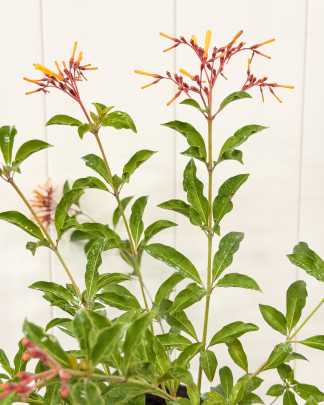
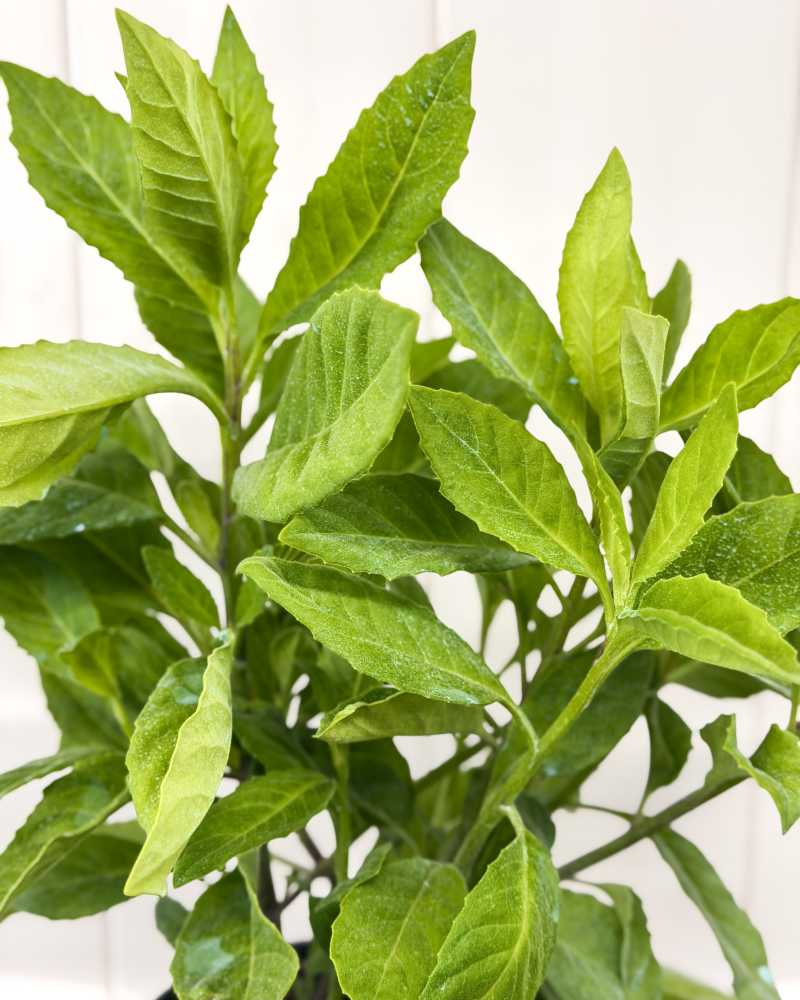
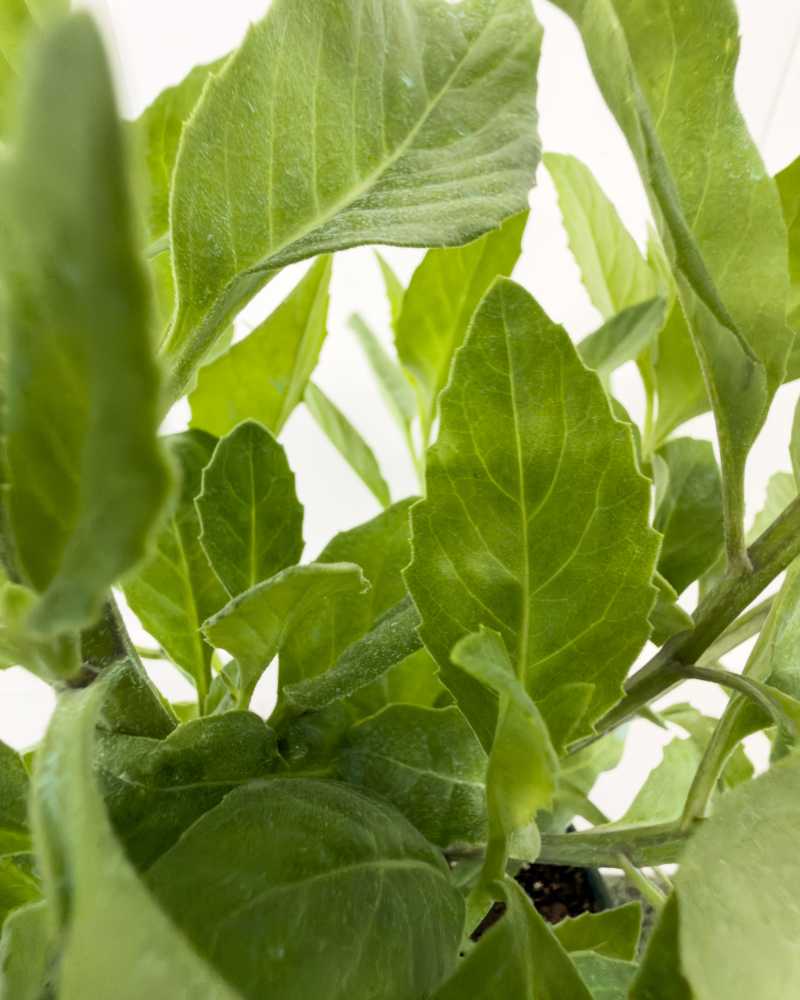
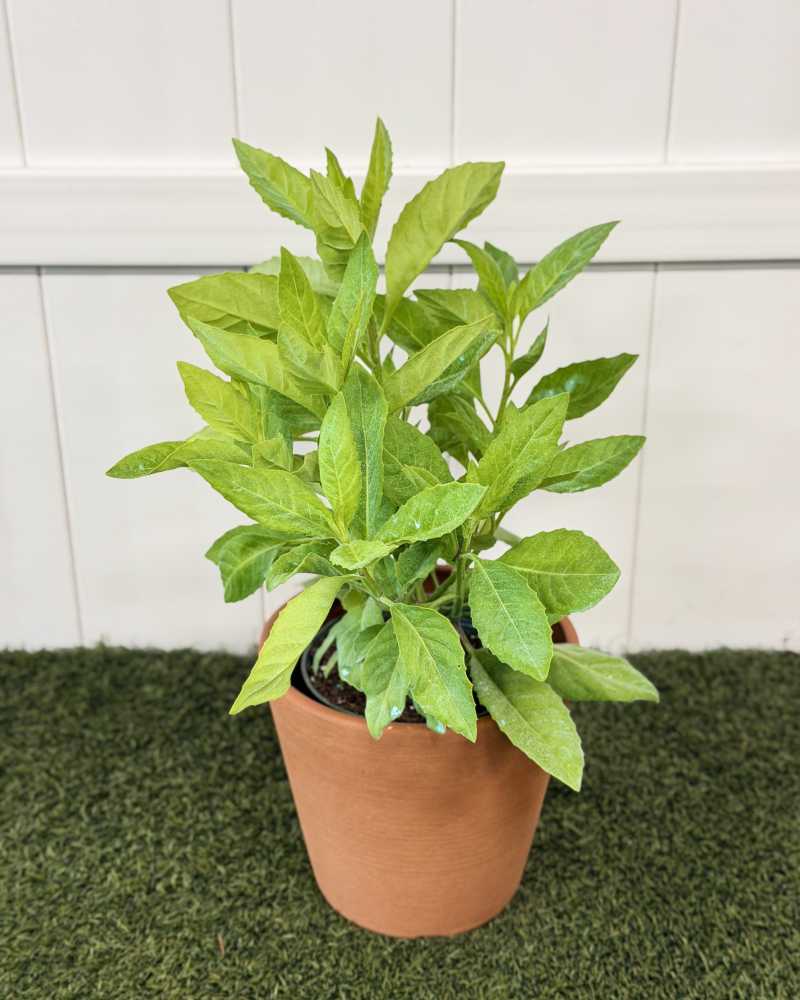
Description
Caring for your Longevity Spinach
Light
Longevity Spinach thrives best in bright, indirect sunlight or partial morning sun. It loves filtered light, which keeps its leaves tender, lush, and rich in color. Avoid harsh, intense afternoon sun, which can facilmente bleach or scorch its soft foliage. If growing indoors, a spot near a bright east- or west-facing window is absolutely perfect.
Soil
This plant prefers a rich, fertile, and sharply draining organic medium. It needs plenty of nutrients to support its rapid leaf production but hates sitting in heavy, compacted mud. A premium organic potting mix heavily amended with compost and perlite ensures excellent aeration and the perfect moisture balance for the roots.
Water
Longevity Spinach loves consistent moisture and does not like to dry out completely. Water thoroughly whenever the top inch of the soil feels dry to the touch, keeping the medium evenly damp like a wrung-out sponge. While it is quite resilient, allowing it to wilt severely from dehydration will slow down its growth and make the leaves tough.
Fertilizer
Because you are harvesting its foliage regularly, this plant is a moderate to heavy feeder during its active growth. Apply a balanced, organic liquid fertilizer diluted to half-strength every 3 to 4 weeks during the spring and summer. This ensures a continuous, rapid flush of fresh, tender leaves. Reduce feeding in the winter.
Common Issues
The most common issue is that Longevity Spinach grows so fast that it can become leggy, sparse, or vine out out of control if left unpruned. Frequent harvesting or pinching is the secret to keeping it compact, full, and bushy. Additionally, it is a purely tropical plant, so it has zero frost tolerance and must be brought indoors before temperatures drop below 50°F.
Pests
While generally hardy, the tender, juicy leaves can occasionally attract common soft-bodied pests like aphids, spider mites, or whiteflies, especially when grown indoors with dry air. If spotted, safely wash the plant down with a gentle spray of water and treat the foliage with organic insecticidal soap or neem oil.
Disease
The primary threat is root rot or fungal leaf spot, almost always caused by poor soil drainage, overwatering, or crowding that restricts airflow. Always water directly at the base of the plant onto the soil to keep the leaves dry, and make sure your container has excellent drainage holes.
Pruning
Regular pruning is highly recommended and serves as your harvest! Pinch back the growing tips frequently to stimulate lateral branching and create a much bushier plant. Use sharp, clean shears to snip off any older, yellowing bottom leaves to keep the overall plant looking pristine and healthy.
Potting / Repotting
Due to its vigorous and fast-spreading root system, Longevity Spinach benefits from having room to grow. Choose a wide, stable pot or a spacious hanging basket with great drainage. Repot once a year in the spring, moving up 2 inches in container size and refreshing the organic soil completely to fuel the new season’s growth.