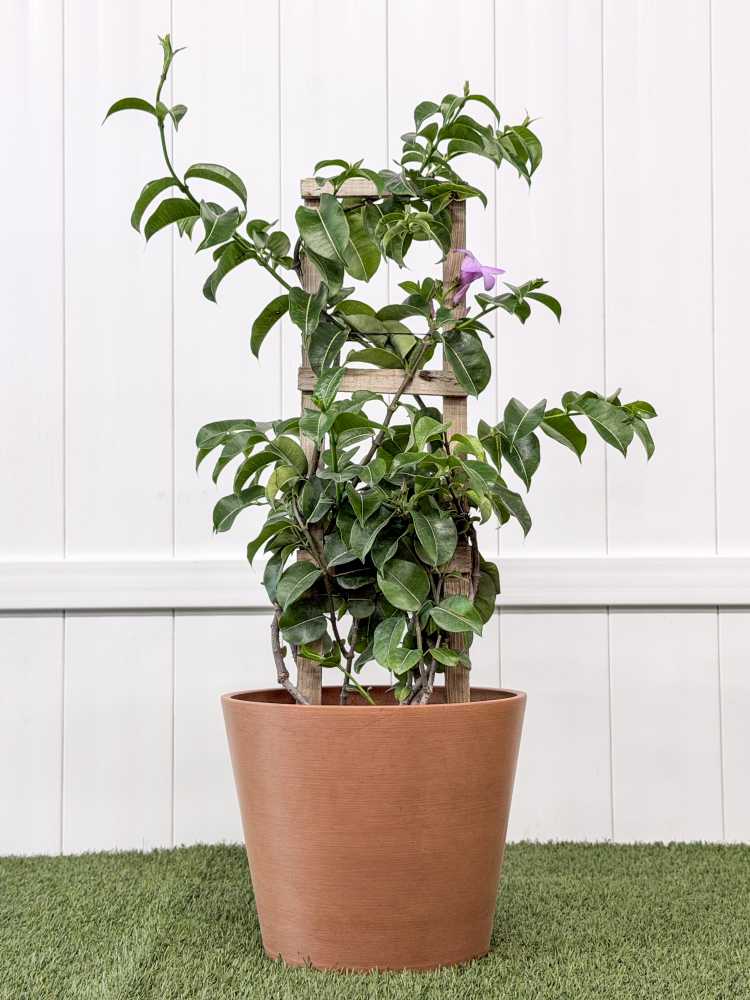
Description
Caring for your Purple Allamanda
Light
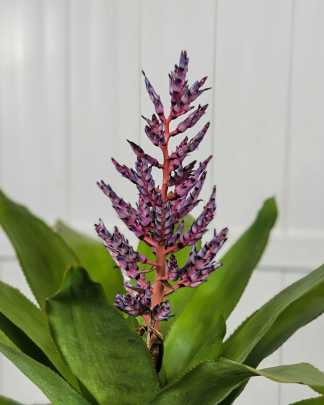
To thrive and produce its signature purple flowers, this plant requires full sun. It needs at least 6 hours of direct sunlight daily. While it can tolerate partial shade, a lack of intense light will result in leggy stems and significantly fewer blooms. If grown indoors, it must be placed in the brightest window available, ideally facing south.
Soil
The Purple Allamanda prefers rich, fertile, and well-draining soil. It is relatively adaptable to different soil types, but it thrives best in a mix that contains organic matter like compost or peat moss. Ensure the potting medium or garden site doesn’t hold standing water, as this can lead to root issues.
Water
During the growing season (spring and summer), keep the soil consistently moist. This plant loves humidity and regular watering, but it is surprisingly drought-tolerant once established. In the winter, reduce watering and allow the top two inches of soil to dry out completely before watering again.
Fertilizer
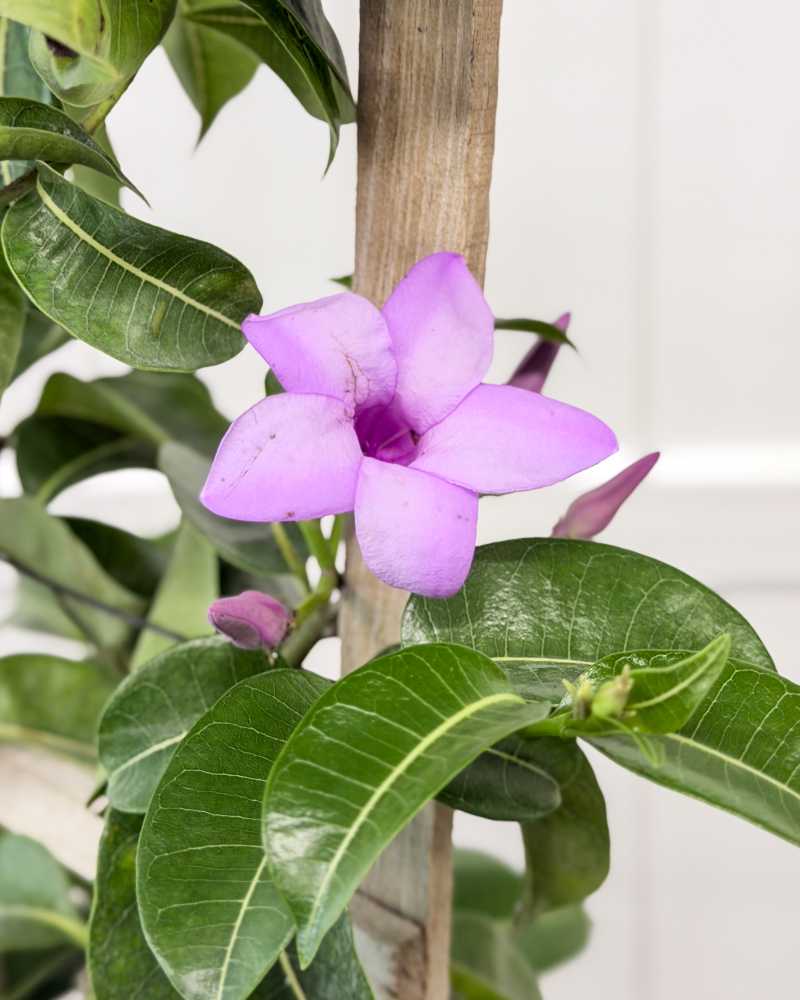
This is a heavy feeder during its blooming period. Apply a balanced, water-soluble fertilizer every 2-3 weeks from spring through early fall. This will ensure the plant has enough energy to produce its large, showy flowers continuously.
Common Issues
The most frequent issue is a lack of flowering, which is almost always tied to insufficient sunlight. Another common sign of stress is yellowing leaves, which can indicate either overwatering or a lack of nutrients in the soil.
Pests
It can occasionally be visited by common tropical pests like aphids, mealybugs, or whiteflies. Regularly inspecting the undersides of the leaves and the new growth will help you catch them early. An application of neem oil or insecticidal soap is usually effective for treatment.
Disease
The Purple Allamanda is generally disease-resistant. However, in environments with poor air circulation or excessive overhead watering, it may develop fungal leaf spots or sooty mold. Keep the foliage dry and ensure there is plenty of space for air to move around the plant.
Pruning
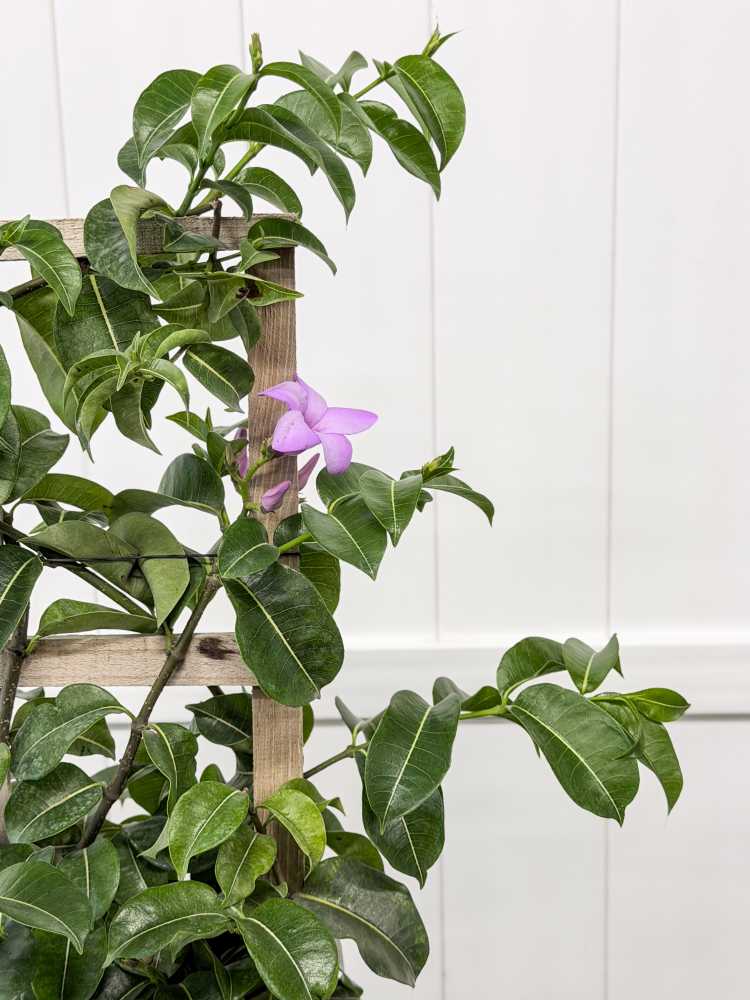
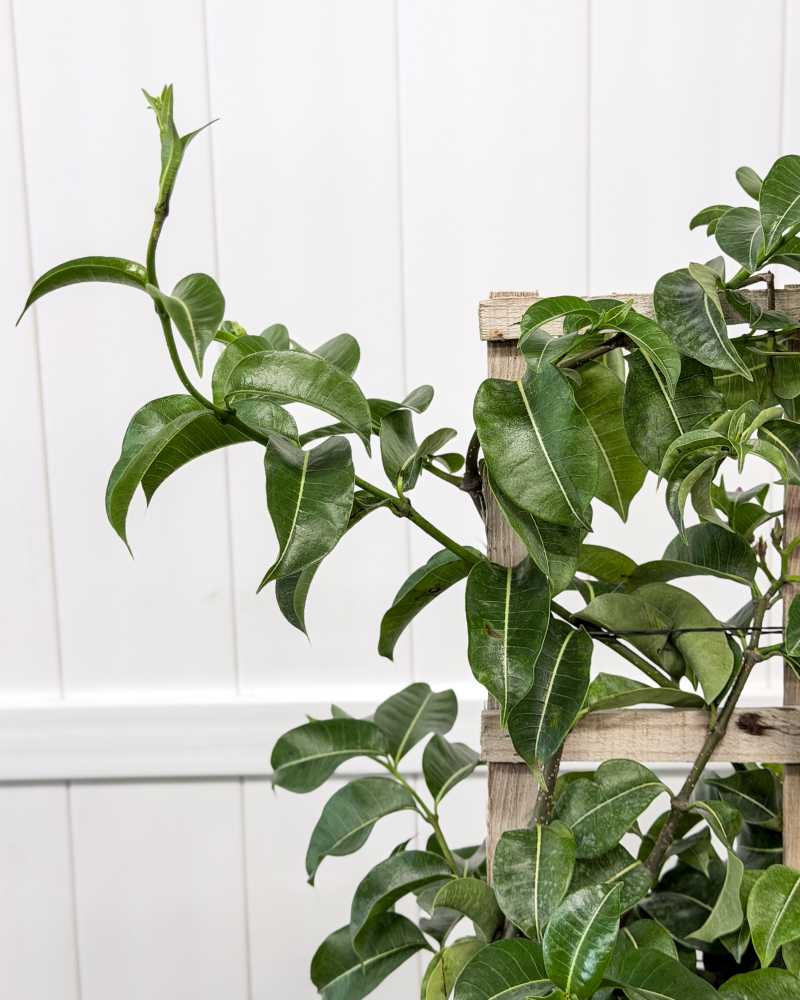
Pruning is key to managing this plant’s shape. If you want a shrub, pinch back the tips regularly to encourage bushy growth. If you want a vine, provide a support structure and only prune to remove dead or wayward branches. The best time for a major pruning is in late winter or early spring before the new growth begins. Note: The milky sap can be irritating to the skin, so wearing gloves is recommended.
Propagation
It can be propagated through stem cuttings taken in the spring. Use a 4-6 inch cutting of semi-hardwood, dip the end in rooting hormone, and place it in a warm, moist potting mix. It can also be grown from seeds found in its distinct, pod-like fruits.
Potting / Repotting
Because of its vigorous root system, the Purple Allamanda may need repotting every 1-2 years. Move up to a container that is 2-4 inches larger than the current one. Always use fresh, high-quality potting soil and ensure the pot has excellent drainage holes.